News Desk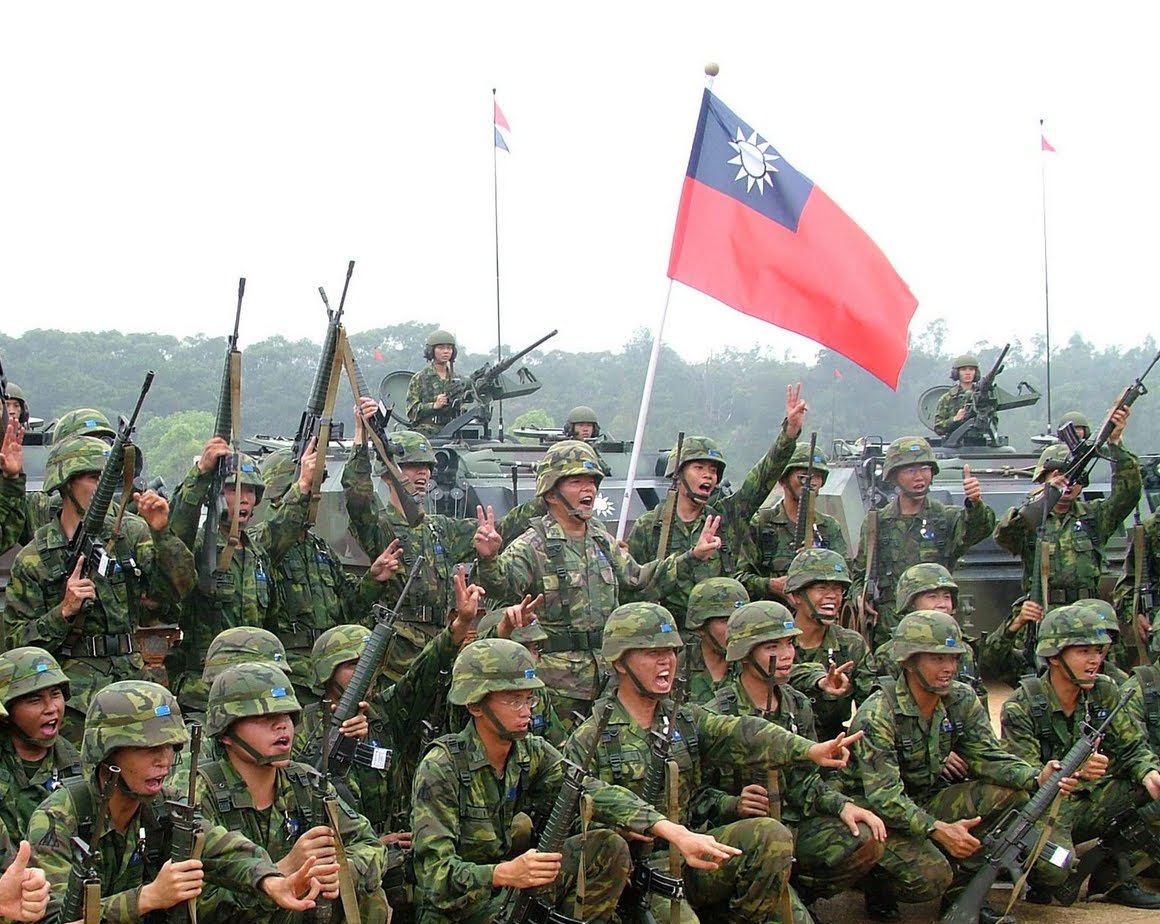
TAIPEI, Taiwan — China’s armed forces launched a fresh wave of large-scale military exercises in the Taiwan Strait, a narrow but vital artery for global trade that separates the self-governing island from the mainland. Coming just a day after drills designed to simulate a blockade of Taiwan, these latest maneuvers signal an intensifying effort by Beijing to flex its military muscle in a region already on edge. The stated goal, according to Xi Yi, a spokesman for the Eastern Theater of Operations Command, is to hone the ability of Chinese troops to control zones, enforce blockades, and deliver precise strikes on critical targets. Yet beneath the surface of this official explanation lies a murkier question: Is China seizing a moment of perceived American retreat from global affairs, or is this a bolder bid to dominate the South China Sea and beyond?
The drills, concentrated in the central and southern reaches of the strait, are not a one-off. They build on a pattern of escalation that has seen China deploy a growing array of warplanes, naval vessels, and ground forces around Taiwan in recent years. This latest round follows Monday’s exercises, which focused on choking off key sea lanes and zones around the island—an island Beijing insists is a wayward province destined for reunification, by force if necessary. For Taiwan, which has never been governed by the Communist Party and whose people largely reject the idea of Chinese rule, these actions are less a test of capability than a persistent threat.
What’s less often noted is the timing. The exercises coincide with a moment of flux in global power dynamics. The United States, long a counterweight to China’s ambitions in the region, has been preoccupied with domestic debates and a shifting foreign policy stance under a new administration. Some analysts quietly suggest that Beijing may see an opportunity in this distraction—a chance to push boundaries while Washington’s focus drifts. Others argue this is less about opportunism and more about a deliberate strategy to cement China’s dominance in its maritime backyard, particularly the South China Sea, where it has clashed with neighbors over territorial claims.
Taiwan’s leadership, meanwhile, has been anything but passive. President Lai Qing-te, who took office amid Beijing’s vocal disapproval, has sharpened his rhetoric, labeling China an “external hostile power” last month and rolling out measures to counter its influence, from tightening security protocols to rooting out espionage. His stance has only deepened the rift, giving China a fresh pretext to ramp up its military posturing.
The response from the West has been swift but measured. Washington, while not formally recognizing Taiwan as a sovereign nation, has long supplied it with weapons and voiced support for its defense. On Tuesday, the State Department accused China of endangering regional stability with its “aggressive” actions, a sentiment echoed by the European Union, which urged restraint to avoid further escalation. Yet these statements, while firm, stop short of outlining concrete steps, leaving open the question of how far the U.S. or its allies are willing to go if push comes to shove.
Less discussed is the human toll of this simmering standoff. For the fishermen and traders who ply the Taiwan Strait, these drills are not abstract power plays but disruptions to daily life, forcing them to navigate an increasingly militarized waterway. On Taiwan itself, the constant hum of Chinese jets overhead has become a grim routine, a reminder of the island’s precarious perch just 80 miles from a giant that refuses to relent.
Whether China is testing the waters of American disengagement or staking a broader claim to regional hegemony, one thing is clear: The Taiwan Strait, a corridor that carries a hefty slice of the world’s commerce, is no longer just a geopolitical flashpoint. It’s a proving ground for Beijing’s ambitions—and a mirror reflecting the uncertainties of a shifting global order.