 News Desk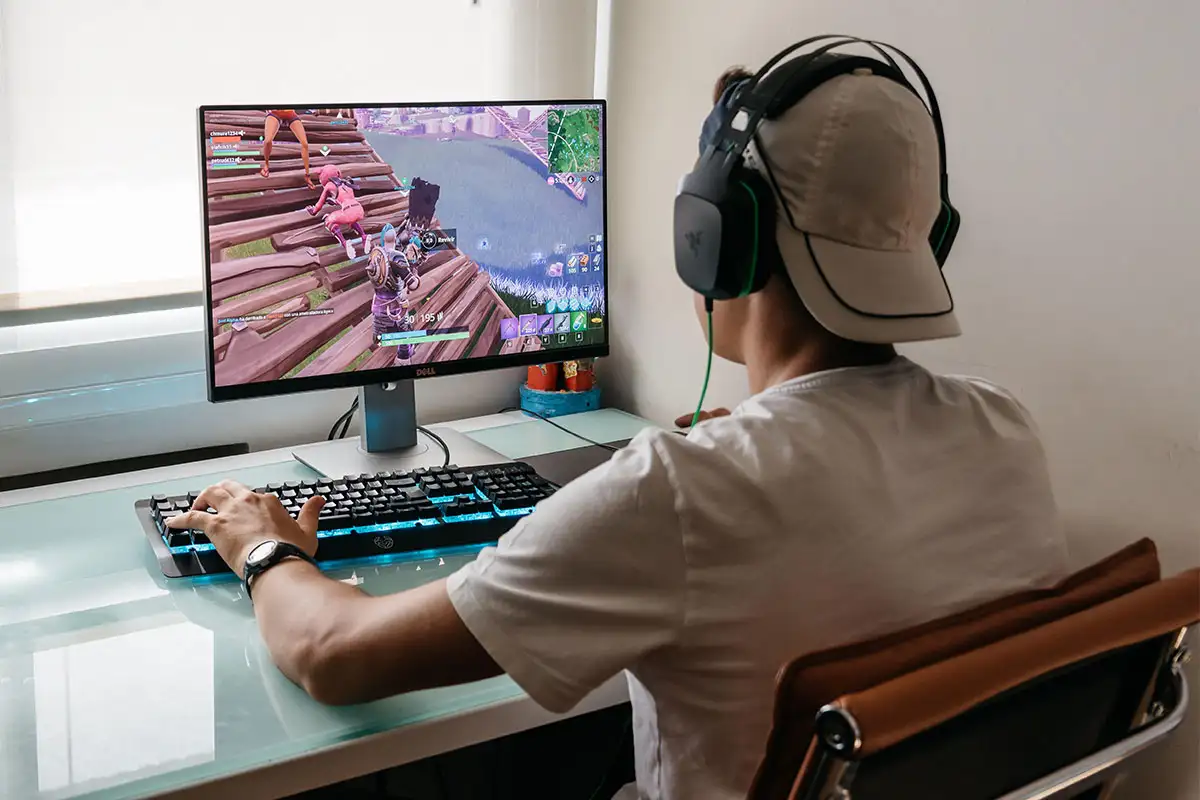
BEIJING — China’s government is at it again, dangling new rules to choke off the internet time of its youth, and the kids aren’t buying it. China’s annual political meetings, the Two Sessions, wrapped up this week in Beijing with little fanfare and even less surprise. The National People’s Congress and its advisory body, concluding days of choreographed debate, stuck to the script: no major diplomatic shifts, just a steady hand on the tiller. Amid a jittery global landscape—think Trump’s tariff threats and Europe’s wobbly unity—Beijing’s playing it safe, not bold.
At the annual political debate, retired basketball icon Yao Ming pitched a plan to force kids offline one day per semester for exercise. Officials piled on, fretting over gaming and “harmful” content, claiming excessive screen time is wrecking the health and grades of those under 18. But many young Chinese see through the rhetoric, calling it a clumsy overreach by a regime already obsessed with control.
China’s internet is a fortress—tens of thousands of sites, including foreign social media, are blocked. Yet with 196 million users under 18 as of late 2023, per a gaming industry report, it’s a digital lifeline for a generation. On platforms like Weibo, frustration simmers. “Kids get home at 9 or 10 p.m. from school—when are we supposed to use social media?” snapped a Beijing user. Another from Hebei shot back: “Cut the online homework, then talk about limits.”
A Beijing college student, speaking anonymously to Voice of America portal, admitted the internet’s grip is tight. “We’re hooked—phones are everywhere, all the time,” she said. But Yao’s “limit day”? She scoffed: “Addiction doesn’t vanish with a gimmick.” Will Wang, studying in the U.S., agreed, noting how platforms like TikTok and Bilibili dominate back home. “It’s their only private space,” he wrote. “School and extra classes leave no room for anything else.”
China’s been down this road before. A 2020 law targeted gaming addiction, followed by a 2021 edict capping kids at one weekday hour and two on weekends. Tencent even slashed playtime to 15 hours over this year’s 32-day New Year break. Kids dodge it anyway, using adult accounts. Now, with Yao’s proposal, the state’s doubling down on a failing playbook. Xu Quan, a Hong Kong media voice, told the internet’s a stress valve for kids crushed by expectations. “Take it away and you’ll hurt them more,” he warned.
The real kicker? Critics like ex-media worker A Qiang say Beijing’s barking up the wrong tree. “It’s not online freedom that’s the problem—it’s the offline grind,” he argued. With kids drowning in academic pressure, the government’s fix feels like a distraction from its own failures. China’s youth aren’t just skeptical—they’re fed up with a system that smothers them online and off.