 News Desk
NAVI MUMBAI, India — India’s aviation ambitions are taking flight with the Navi Mumbai International Airport Ltd. (NMIAL), a $2.1 billion marvel poised to open in June, easing the strain on Mumbai’s overcrowded Chhatrapati Shivaji Maharaj International Airport (CSMIA). Led by the Adani Group, this project is a cornerstone of Prime Minister Narendra Modi’s vision to transform India into a global transit hub, blending cutting-edge infrastructure with elegant design to serve Mumbai’s 21 million residents.
Spanning 1,160 hectares, NMIAL will launch with a capacity for 20 million passengers, featuring one of four planned terminals and one of two runways. Designed by Zaha Hadid Architects, inspired by India’s lotus flower, the airport aims to rival iconic hubs like Dubai and Singapore. By its fifth phase, it will handle 90 million passengers annually. An integrated aerocity—housing offices, restaurants, entertainment, hospitals, and warehouses—will drive non-aviation revenue, creating a dynamic economic hub. A VVIP terminal for celebrities and elites, set for construction in 2026, will cement Navi Mumbai’s status as a private aviation haven by 2030.

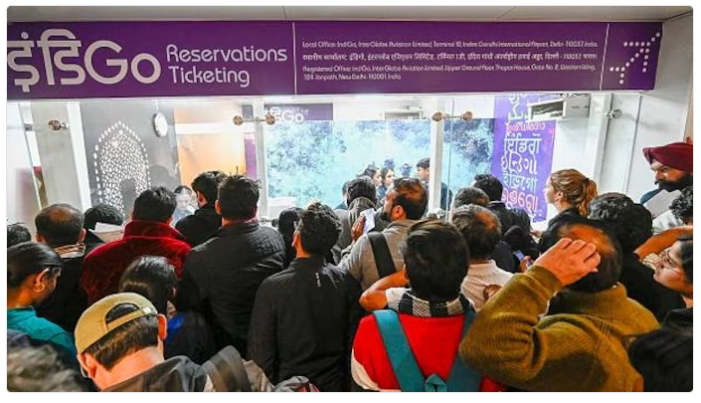
The airport’s operational readiness is advancing swiftly. IndiGo Airlines conducted the first validation flight with an Airbus 320 in December 2024, while TATA Group’s Air India plans test flights in April 2025 to certify the airport for widebody international aircraft, according to Bloomberg. Low-cost carriers like IndiGo, Air India Express, SpiceJet, and Akasa Air will lead the transition, with the latter three exploring full relocation to NMIAL, located 22 miles southeast of CSMIA. Air India’s full-service operations will remain at CSMIA but gradually shift domestic flights to Navi Mumbai. Initial operations will include 30 weekly domestic flights, with a broader shift planned for November and international flights starting in August, as the Adani Group collaborates with Star Alliance carriers, including Air India.
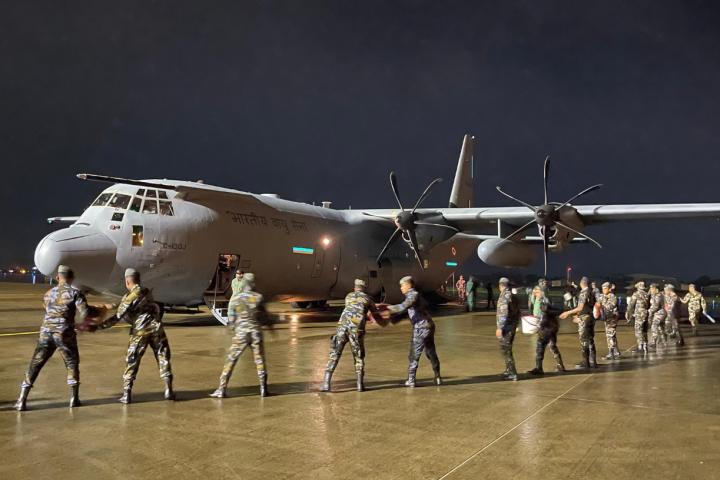
Since Modi’s leadership began in 2014, India’s airport network has doubled from 74 to 149, with 75 new facilities boosting connectivity through initiatives like UDAN. The government targets 220 airports by 2030, with 29 greenfield projects proposed, including Noida’s Jewar airport. NMIAL’s runway is complete, and terminal work is on track, with recent inspections by the Directorate General of Civil Aviation confirming progress. An Indian Air Force Airbus C-295 landing in October marked a key milestone.
NMIAL is more than an airport—it’s a symbol of India’s soaring aspirations, weaving innovation, accessibility, and global stature into a vibrant future.