News Desk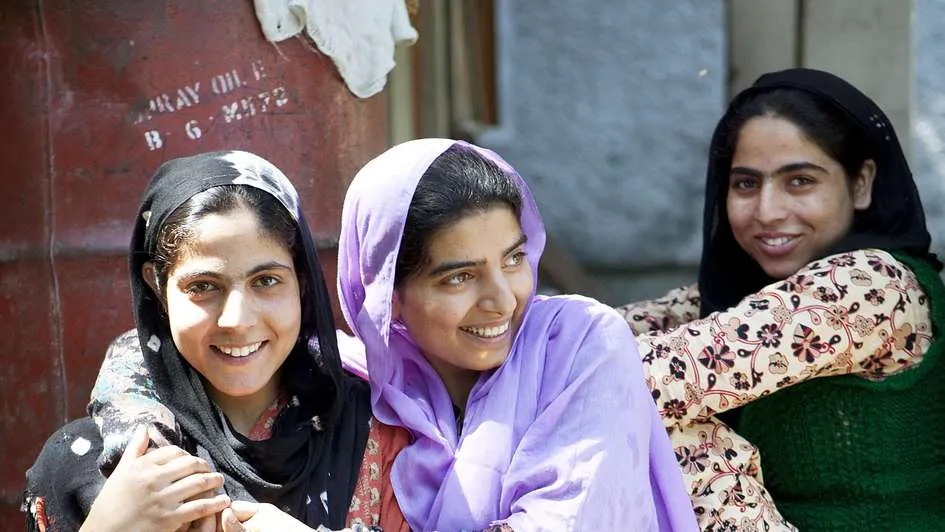
SRINAGAR — The government of Jammu and Kashmir revealed that over 370,000 unemployed youth have registered on the region’s employment portal as of January 2025, a figure that includes 113,000 graduates and post-graduates. The announcement, delivered by Deputy Chief Minister Surinder Choudhary in response to a query from BJP MLA Sham Lal Sharma in the Assembly, highlights both the scale of the challenge and the territory’s determined push to turn its young talent into an economic engine.
Choudhary, who also serves as the Minister for Labour and Employment, detailed a robust plan to address unemployment in the Union Territory. “A total of 3,70,811 unemployed youth have been registered,” he said, referencing a baseline survey of 473,000 residents aged 18 to 60, many of whom expressed a readiness to work but lack opportunities. The response? A suite of initiatives under Mission Youth, tailored to Kashmir’s unique needs and aspirations.
The region’s approach is both practical and forward-looking. Since 2020, the Mumkin Scheme has opened doors in the transport sector, while the Tejaswini Scheme, launched in 2022, empowers young Kashmiri women with entrepreneurial skills. The Parvaaz Scheme, also introduced in 2022, prepares youth for competitive exams, a lifeline in a region where public-sector jobs are highly prized. Over the past three years, 246 job fairs have connected 2,760 companies with nearly 5,000 hires, a small but significant step toward economic vitality.
At the heart of Kashmir’s strategy is Mission Yuva, an ambitious program aiming to spark 137,000 new enterprises and 425,000 jobs within five years. Choudhary outlined a four-pronged vision: identifying talent through tech-enabled surveys, offering credit and market support, building a digital ecosystem with AI tools, and providing institutional backing. “We’re using subsidies, skill training, and an online marketplace to boost efficiency,” he said, signaling a blend of innovation and pragmatism suited to Kashmir’s evolving landscape.
For an international audience, Kashmir’s efforts are a story of resilience amid complexity. The voluntary registration of 66,628 graduates, 47,114 post-graduates, and thousands more diploma holders reflects a youth eager to contribute—whether in tourism, transport, or startups. District-level facilitation centers, offering counseling and market-aligned skills, underscore a commitment to grassroots empowerment. Specialized programs, like those supporting dental professionals and youth in distress, nod to the region’s distinct challenges and potential.
Unemployment remains a hurdle, particularly among the educated, and Kashmir’s journey is far from complete. Yet, its proactive stance—rooted in self-reliance and opportunity—offers a hopeful narrative. By tapping into its rich human capital, the region is not just rewriting its own future but positioning itself as an inspiring case study in a world wrestling with youth disengagement. As Choudhary emphasized, the goal is “comprehensive coverage” of potential entrepreneurs—a promise that, if fulfilled, could redefine Kashmir’s place on the global stage.