News Desk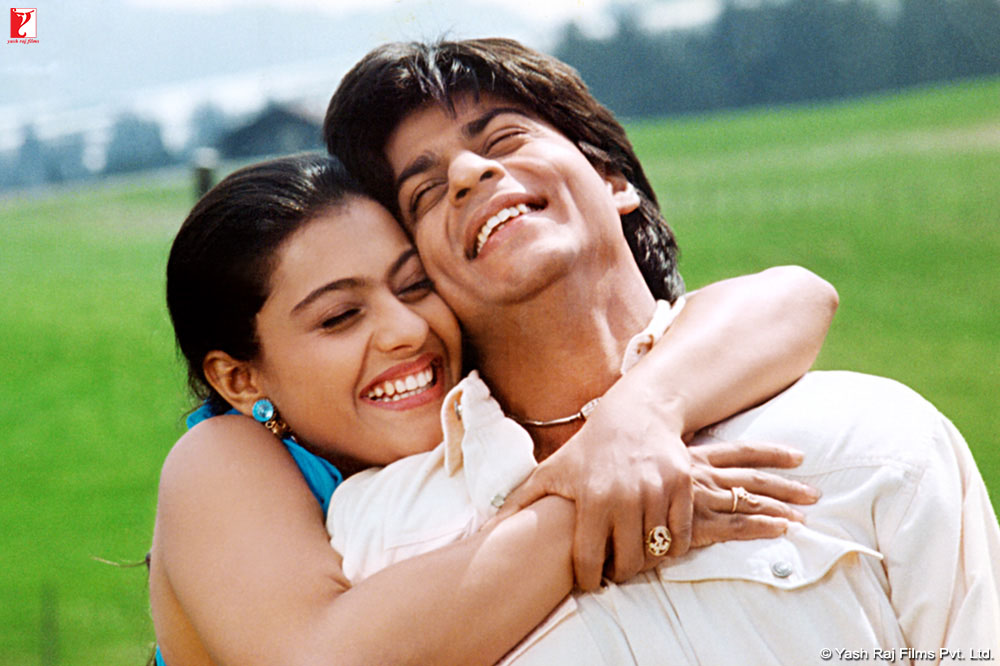
This article is part 5 of our series on the evolution of Indian design, exploring how creativity and tradition shape the country’s everyday objects and global influence.
MUMBAI, India — At Film City’s Gate 2, a bullock cart jostles past a gleaming Bentley, both props for a song sequence unfolding under a fake mango tree. Crews swarm—200 strong—adjusting lights, rigging wires, shouting over a playback of Arijit Singh’s latest ballad. This is Bollywood in its rawest form: a whirlwind of color, sound, and sweat, churning out dreams at 24 frames a second. India’s film industry, the world’s most prolific, doesn’t just make movies—it crafts a cultural juggernaut, one that’s shaped art, identity, and global screens for over a century.
The reel began spinning early. In 1913, Dadasaheb Phalke shot Raja Harishchandra, India’s first feature, in a Mumbai backyard. Silent, black-and-white, it ran 40 minutes—long enough to stun audiences with a king’s tale pulled from myth. Phalke, a printer turned visionary, used his wife’s saris for costumes and a hand-cranked camera.
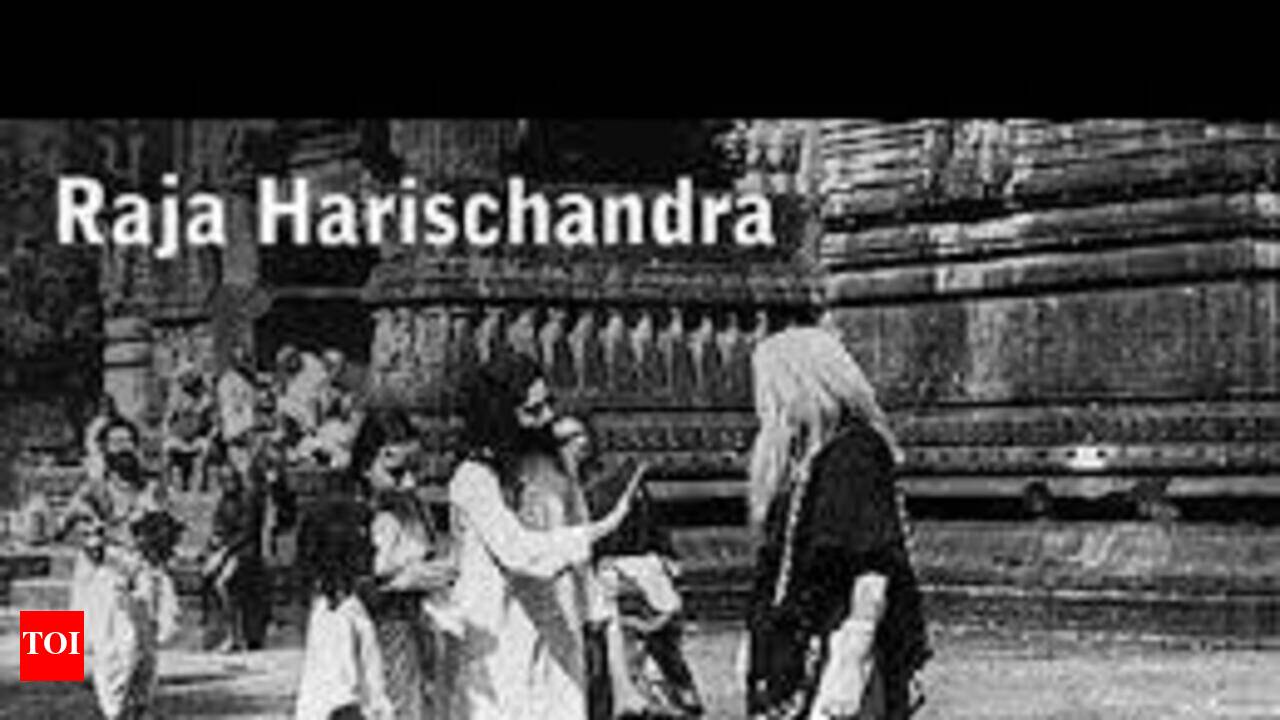
A trivia tidbit: he trained a boy to play the queen, as women shunned acting. That film, now lost save for fragments, birthed Bollywood, a nickname coined decades later from “Bombay” and “Hollywood.”
By the 1930s, sound arrived. Alam Ara (1931), India’s first talkie, packed theaters with its seven songs—a formula that stuck. Studios like Bombay Talkies and RKO-inspired Ranjit Movietone sprang up, churning out 200 films yearly by 1947.
Post-independence, Bollywood bloomed. Raj Kapoor’s Awaara (1951), a tramp’s saga, hit Soviet screens, its “Awara Hoon” anthem dubbed in Russian.
A quirky fact: Stalin reportedly watched it thrice, cementing India’s soft power before the term existed.
Production here is a beast. Bollywood makes 1,000 films annually—twice Hollywood’s output—on budgets averaging $2 million, peanuts next to a $200 million Marvel flick. Yet profits soar. Dangal (2016), a wrestling drama, grossed $300 million worldwide, outpacing many U.S. blockbusters.
Scale defines it: a single song, like Dilwale Dulhania Le Jayenge’s “Mehndi Laga Ke Rakhna” (1995), might deploy 50 dancers, 10 costume changes, and a Swiss Alp backdrop—shot in four days. Lesser known: that film, DDLJ, still runs daily at Mumbai’s Maratha Mandir theater, a 29-year streak.
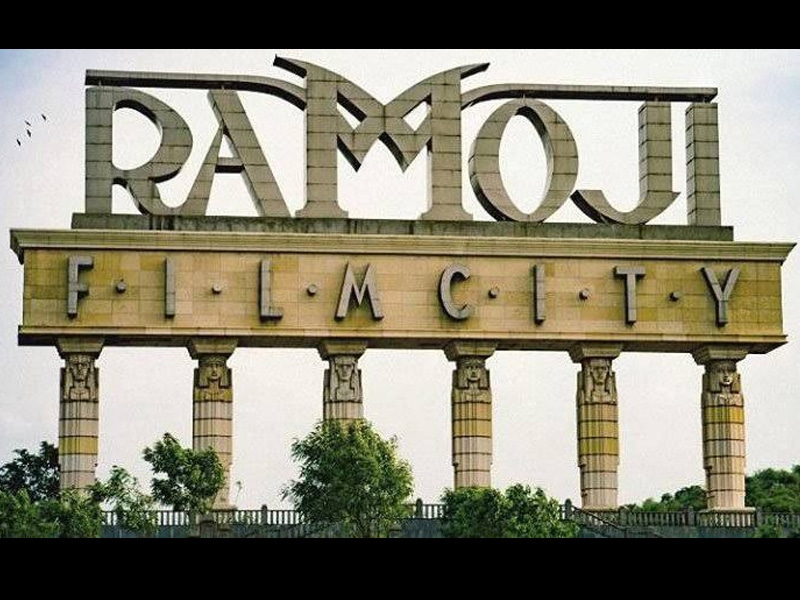
Artistry fuels the chaos. Sets, built from plywood and plaster, mimic palaces or slums overnight. At Ramoji Film City in Hyderabad—spanning 1,666 acres, the world’s largest studio—directors like Sanjay Leela Bhansali craft epics. His Devdas (2002) set, a chandeliered mansion, cost $3 million, its mirrors hand-cut in Rajasthan. Cinematographers like Ravi Varman wield light like paint; his work on Barfi! (2012) turned Darjeeling’s fog into a character.
A hidden gem: Lagaan (2001) used real dust storms in Gujarat, no CGI, for its cricket climax—nature as co-star.
Songs are Bollywood’s heartbeat. Composers like A.R. Rahman, who won two Oscars for Slumdog Millionaire (2008), blend tabla with synths. Taal’s “Ishq Bina” (1999) took 18 months to score, its rhythm synced to monsoon drips Rahman heard in Chennai. Playback singers—Lata Mangeshkar, with 25,000 songs over seven decades—lip-sync for stars, a tradition since the 1940s.
Fun fact: Mangeshkar’s voice was so pure, early sound engineers thought it broke their mics. A single track can cost $100,000, with 20 dancers and a crane-mounted camera, yet it’s the hook that sells tickets.
Posters once ruled promotion. Hand-painted until the 1990s, they were art in bold strokes—think Sholay (1975), its heroes towering over a burning village. Artists like Pandit Ram Kumar Sharma painted 10 a day, using house brushes and oil cans.
A little-known twist: rural theaters sliced posters into strips for lobby displays, no electricity needed. Today, Photoshop reigns, but vintage prints fetch $50 in Chor Bazaar, their cracked paint a collector’s prize.
The crew’s hustle is mythic. Directors like Karan Johar juggle six-month shoots—three weeks in London, two in Ladakh—while stars like Shah Rukh Khan shoot 18-hour days, hopping between sets.
A stat: India’s 4,000 theaters screen 10 million tickets weekly, per FICCI-EY 2023.
Extras, paid $5 a day, swarm auditions; Gandhi (1982) used 300,000 for one funeral scene, a record.
A snippet: Baahubali (2015) took five years, its 600-person crew living in tents to finish a waterfall battle.
Global reach grows. Bollywood’s diaspora—20 million strong—packs London and New York theaters. Kabhi Khushi Kabhie Gham (2001) topped UK charts, unheard of for a Hindi film. Streaming amps it up: Netflix’s Sacred Games (2018) and Amazon’s The Family Man (2019) export grit, not just glitter. A trivia bit: RRR (2022), a Telugu epic, won an Oscar for “Naatu Naatu,” its hook step mimicked from Kyiv to Kansas. Exports hit $2.5 billion in 2023, says Deloitte, with piracy biting but not breaking.
Influence spills wide. Quentin Tarantino cribbed Kaante (2002) for Reservoir Dogs vibes. Disney’s Aladdin (1992) echoed Mughal-e-Azam’s (1960) opulence—its peacock throne a $500,000 set, adjusted for inflation. Choreographers like Farah Khan, who staged Monsoon Wedding’s dance in 2001, inspire Broadway.
A lesser-known win: Pather Panchali (1955), Satyajit Ray’s stark debut, shot on a $3,000 loan, won at Cannes, proving Indian cinema could whisper, not just sing.
Flaws linger. Budgets stretch thin—Pathaan (2023) cost $30 million, lavish for India, yet lean by global norms. Censors snip kisses, though attitudes loosen. And nepotism simmers: star kids like Alia Bhatt dominate, while outsiders claw in. Yet talent rises. Anurag Kashyap’s Gangs of Wasseypur (2012), shot guerrilla-style in Uttar Pradesh, stunned Sundance with no songs, all swagger.
Back at Film City, the song wraps. Dancers collapse, laughing, as a crane lifts the camera skyward. The fake tree stays—next week, it’s a sci-fi prop. Bollywood doesn’t rest; it reinvents. From Phalke’s sari-clad queens to RRR’s roaring tigers, this is cinema as art, commerce, chaos—a mirror to India’s soul, reflecting a billion dreams in Technicolor.