News Desk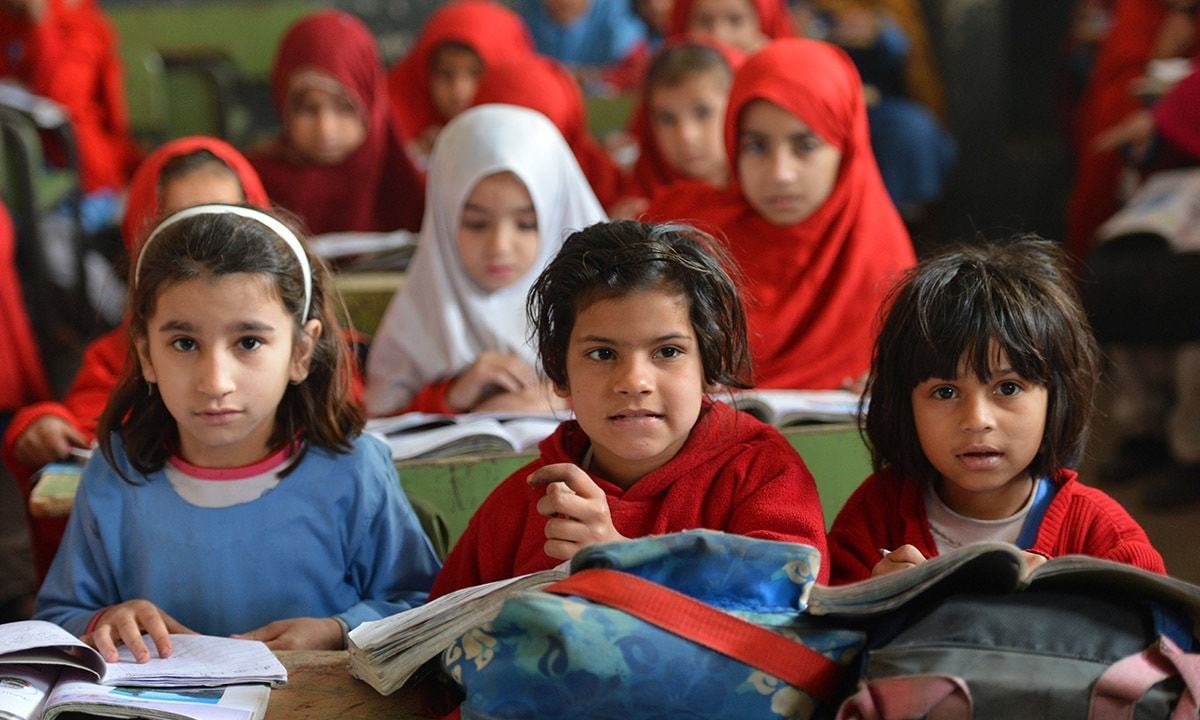
Pakistan is facing an educational catastrophe. The country’s learning poverty rate—a measure of children who cannot read and understand a simple text by the end of primary school—stands at an alarming 77%. This places Pakistan among the worst-performing education systems in the world, threatening its economic future and deepening social inequalities.
At the core of this crisis is a broken education system that has failed to equip students with basic literacy skills. While school enrollment has increased over the years, the quality of education remains abysmal. Millions of children attend overcrowded classrooms where poorly trained teachers rely on outdated curricula. In many rural areas, schools lack even the most basic infrastructure —functioning toilets, electricity, and access to books.
The result? Even children who go to school often learn little. Without foundational literacy, they struggle in later grades, fall behind, and ultimately drop out. This fuels a labor market flooded with young people unprepared for skilled jobs, exacerbating unemployment and poverty.
The crisis is not evenly spread. Pakistan’s vast urban-rural divide means children in cities generally receive better education than those in remote areas, where schools are scarce, and teachers often fail to show up. Gender disparities make the situation even worse. Girls, especially in conservative regions, face immense barriers to schooling. Social norms, early marriages, and a lack of safety keep many of them out of classrooms. Those who do attend often receive an inferior education compared to boys.
The consequences are dire. Without urgent reforms, Pakistan risks producing a generation ill-equipped to compete in an increasingly knowledge-based global economy. Foreign investment, technological growth, and economic expansion all depend on a skilled workforce —something Pakistan currently lacks.
Fixing this will require more than just increasing school enrollment. The government must prioritize quality over quantity. That means investing in teacher training, modernizing curricula, and ensuring that schools—especially in rural areas—have adequate resources. Addressing gender inequality is also essential. Policies that support girls’ education, such as financial incentives for families and improved school safety, must be implemented.
Education should not be an afterthought in Pakistan’s development agenda. Without radical change, the country will remain trapped in a cycle of poverty and underdevelopment, leaving millions of children without a future.