News Desk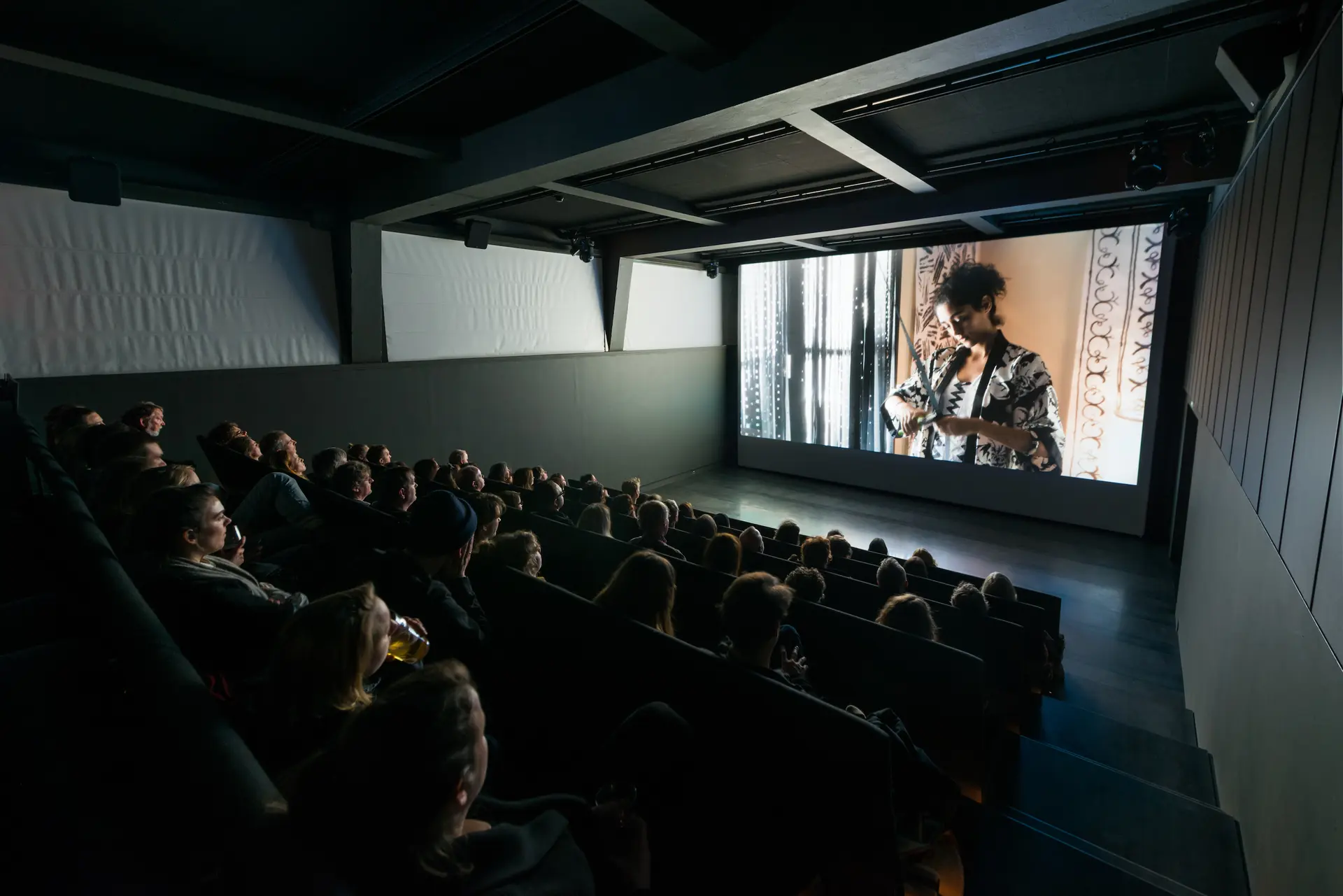
HONG KONG — In a year of cinematic milestones, two Hong Kong films shattered local records, each grossing over HK$100 million (about $12.9 million) at the box office in 2024. The action-packed Twilight of the Warriors: Walled In and the poignant drama The Last Dance marked a rare triumph for the city’s film industry, a nostalgic nod to its golden age decades ago. Yet, beneath the glow of these successes lies a stark reality: Hong Kong’s cinemas are struggling to survive.
The numbers tell a tale of decline. Audiences are dwindling, and theater seats are vanishing. According to the Hong Kong Theatres Association, the city’s cinema landscape has shrunk dramatically from its peak in 1994, when 112 venues boasted more than 125,000 seats, to just 56 theaters with fewer than 40,000 seats today. The pandemic delivered a brutal blow, forcing cinemas to shutter for roughly 200 days annually during the height of Covid-19 restrictions. Even as screens went dark, rents and staff salaries piled up, plunging the industry into financial chaos.
“Those closures were a death knell for many operators,” said Timothy Yuen, chairman of the Hong Kong Theatres Association, in a recent interview. “The recovery has been uneven, and the audience habits have shifted in ways we’re still grappling with.”
The rise of streaming giants like Netflix and Disney+ has only deepened the crisis. With a few clicks, viewers can now access a vast library of films from their couches, a convenience that has eroded the allure of the big screen. In a city known for its fast-paced lifestyle, the traditional cinema experience—once a cultural cornerstone—feels increasingly like a relic.
The success of Twilight of the Warriors: Walled In, which raked in HK$107 million locally and earned global acclaim, and The Last Dance, now the highest-grossing Chinese-language film in Hong Kong history at HK$160 million, offered a fleeting glimmer of hope. Both films tapped into a hunger for stories steeped in local identity, blending nostalgia with contemporary resonance. Yet, industry insiders caution that these hits are outliers, not saviors.
“Two blockbusters can’t reverse a structural decline,” said Pierre Lam, a Hong Kong-based film critic. “The ecosystem that once supported a thriving cinema culture—steady audiences, diverse releases, and robust theater chains—has been hollowed out.”
The pandemic’s scars are still fresh. In 2021, the UA cinema chain, a fixture in Hong Kong for 36 years, collapsed under the weight of prolonged closures and mounting debts. Other venues, like the Golden Harvest Kai Tak Cinema and the President Theatre in Causeway Bay, followed suit in 2024, their leases expiring amid a bleak outlook. For operators, the math no longer adds up: ticket sales alone cannot offset high rents in a city notorious for its sky-high real estate costs.
Efforts to adapt have met with mixed results. The Hong Kong Theatres Association organized “Cinema Day” last April, slashing ticket prices to HK$30 (about $3.85) to lure moviegoers back. The event drew a record 203,000 attendees, but the boost was temporary. “It’s a Band-Aid on a broken system,” Mr. Yuen said. “We need more than one-off gimmicks to survive.”
For now, the city’s filmmakers and theater operators find themselves at a crossroads. The success of 2024’s breakout films hints at a latent demand for local storytelling, but the venues that bring those stories to life are fading away. As Hong Kong navigates this uncertain chapter, its cinema industry—a once-vibrant symbol of cultural prowess—faces a fight not just for relevance, but for existence.