 News Desk
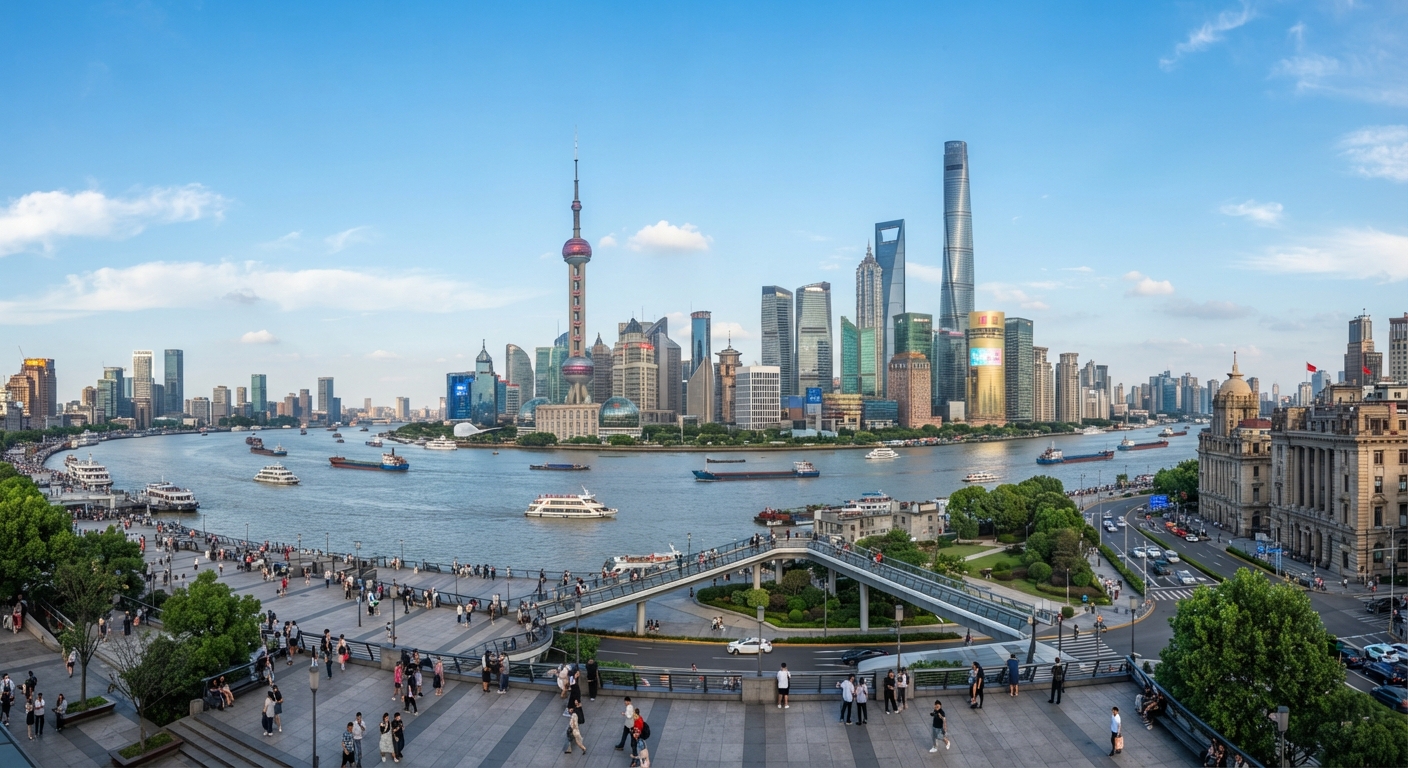
Across China’s newsrooms and social feeds, a quiet editorial discipline has settled over the reporting of economic distress. Where journalists and commentators once dissected factory closures, municipal debt and youth unemployment with sharp, data-driven candour, editors and platform moderators now steer coverage toward state-approved narratives of resilience, structural transition and long-term confidence.
For Beijing, the tightening grip is less a sudden crackdown than a calculated effort to manage expectations during a prolonged period of structural adjustment. Yet the consequences extend far beyond bruised press freedoms: by sanitising public discussion of layoffs, local fiscal strain and shuttered businesses, authorities risk blinding policymakers, investors and households to the very pressures shaping everyday life.
Media watchdogs and journalists describe an environment in which explicit directives are often unnecessary because boundaries have become internalised. Terms that convey acute hardship—such as “slump,” “collapse” or “freefall”—are routinely excised or replaced with softer, technocratic euphemisms that frame contraction as necessary recalibration.
Stories highlighting mass redundancies, wage arrears or graduates struggling to find work face swift removal or algorithmic throttling, particularly when accounts link personal hardship to broader policy choices.
Reporting on indebted local government financing vehicles, unpaid contractor bills or strained municipal budgets is equally circumscribed, as authorities seek to prevent localised fiscal stress from appearing as systemic instability.
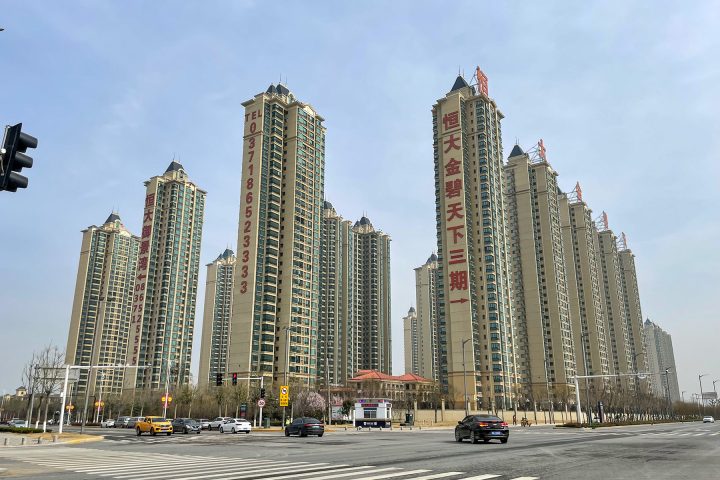
Meanwhile, coverage of shuttered storefronts, struggling private enterprises or departing foreign investment is frequently narrowed or buried, lest anecdotal gloom sour market sentiment.
The pressure operates across both legacy financial press and independent digital creators, often referred to in China as “self-media”. Commercial outlets—already financially squeezed—rely on state supervision and advertising ecosystems that reward compliance and penalise friction.
Independent creators who attempt to fill the gap by interviewing laid-off workers, small business owners or local residents find their margin for error vanishingly thin. Posts documenting real-world economic pain can be scrubbed within minutes, while repeat offenders face account suspensions, demonetisation or visits from local authorities. What remains is a curated chorus of upbeat commentary alongside muted whispers in private chats.
From a critical economic perspective, suppressing bad news does not erase balance-sheet realities; it merely delays recognition and distorts decision-making. When households and businesses cannot read candid accounts of local government arrears, credit tightness or regional employment trends, precautionary saving and risk aversion can harden in ways official statistics struggle to capture.
At the same time, international investors and analysts discount domestic headlines when gritty reporting disappears, widening the gap between official confidence and external perception. Confidence built on curated silence is brittle: when economic strain surfaces anyway—through unpaid wages, stalled projects or local protests—the sudden contrast between narrative and reality can make the shock feel sharper still.