News Desk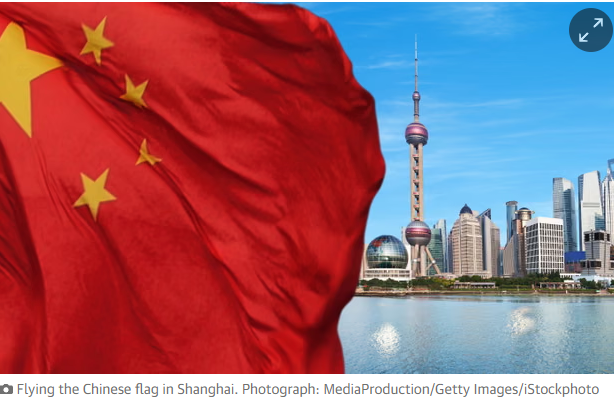
China’s latest manoeuvre on the international stage has once again underscored the country’s willingness to test the boundaries of global norms. While officials in Beijing frame their actions as pragmatic steps toward stability, critics argue they reveal a deeper pattern: a government increasingly comfortable bending rules to suit its own interests, often at the expense of transparency and trust.
In recent months, China has sought to project itself as a responsible power broker. Yet the reality is more complicated. Beijing’s opaque decision-making, its selective adherence to international agreements, and its heavy-handed tactics in diplomacy have left many governments wary. Analysts note that China’s insistence on controlling narratives—whether through state media or diplomatic channels—has eroded confidence among partners who once hoped for a more cooperative approach.
China’s leadership has positioned itself as indispensable to resolving disputes, but its interventions often come with strings attached. Rather than fostering genuine dialogue, Beijing tends to leverage crises to expand its influence, demanding concessions that tilt the balance of power in its favour.
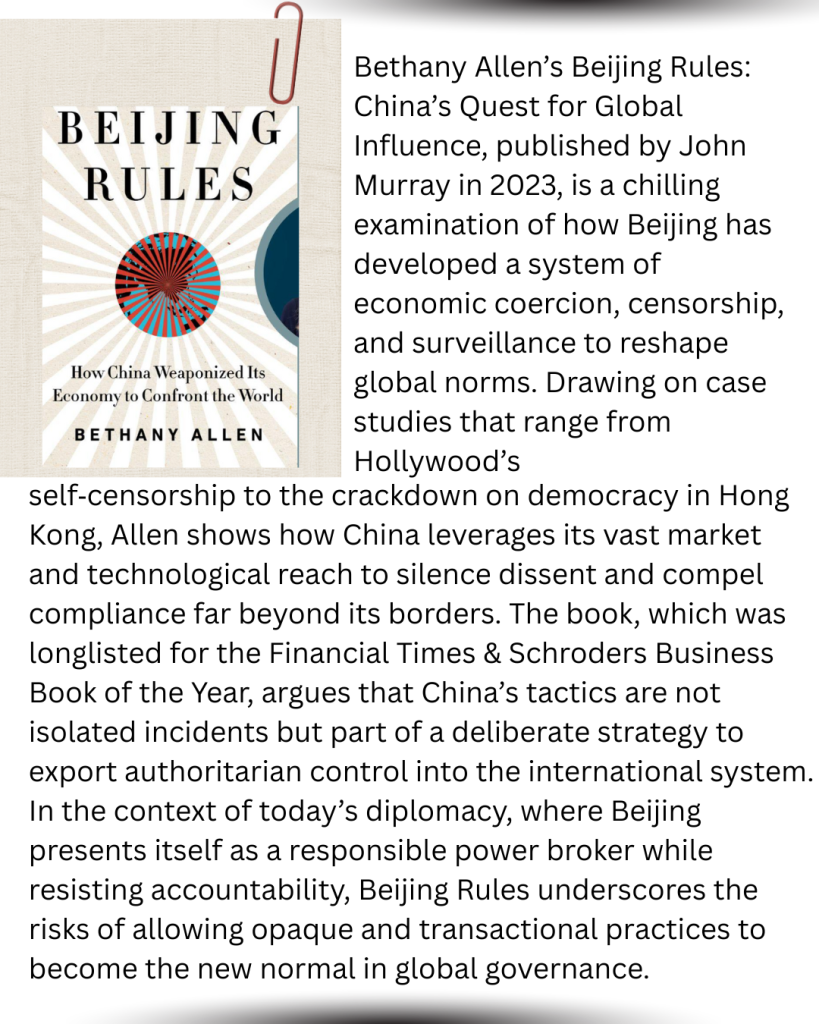
Western officials, including those in Washington and Brussels, have grown increasingly vocal about these practices. They point to China’s reluctance to engage in transparent negotiations and its tendency to sidestep accountability when agreements falter. “China wants the prestige of being seen as a global mediator,” one European diplomat observed, “but it resists the responsibilities that come with that role.”
The broader implications are stark. China’s approach risks undermining multilateral institutions, weakening trust in international law, and emboldening other states to flout norms. For smaller nations caught between great powers, the consequences can be destabilizing, leaving them vulnerable to coercion and economic pressure.
Even within Asia, where Beijing has long sought to consolidate its influence, scepticism is mounting. Regional leaders increasingly question whether China’s promises of partnership are genuine or simply a means to entrench its dominance. The pattern is familiar: lofty rhetoric about cooperation, followed by actions that prioritize Beijing’s strategic interests above all else.
For the United States and its allies, the challenge is clear. Countering China’s assertiveness will require not only vigilance but also a renewed commitment to strengthening alliances and reinforcing the principles of transparency and accountability. Without such efforts, Beijing’s model of power—opaque, transactional, and self-serving—could become the new normal in global diplomacy.