News Desk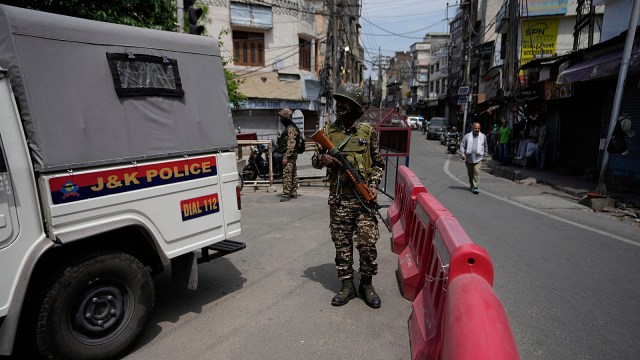
PAHALGAM, India — A deadly terrorist attack in the picturesque town of Pahalgam, a jewel of India’s Kashmir Valley, has left the region reeling, with the local tourism industry in tatters and fresh scrutiny on Pakistan’s shadowy support for militancy. The assault, which claimed the lives of innocent tourists seeking solace in the region’s snow-capped mountains and serene rivers, was a calculated strike to destabilize Kashmir’s fragile peace and sow discord among its diverse communities.
The attack, widely attributed to terrorists backed by Pakistan’s Inter-Services Intelligence (ISI), targeted a bustling tourist hub where families from across India gather to share moments of joy. Indian officials, including Prime Minister Narendra Modi, condemned the violence as a “barbaric” attempt to undermine Kashmir’s progress, vowing to pursue the perpetrators and their sponsors with unrelenting resolve. Police investigations have identified at least two of the gunmen as Pakistani nationals, reinforcing India’s longstanding accusations of Islamabad’s complicity in fueling unrest.
The economic fallout has been swift and devastating. The Kashmir Hotel Association reported an 80% cancellation rate for bookings, a crippling blow to an industry that sustains thousands of families and symbolizes the region’s resurgence. Hotel owners, street vendors, and tour guides now face an uncertain future as fear keeps visitors away. “This wasn’t just an attack on tourists; it was an attack on our livelihood, our hope,” said Bilal Ahmad, a local guide whose bookings have evaporated.
Former Chief Minister Mehbooba Mufti, a prominent voice in Kashmiri politics, described the attack as an assault on “Kashmiriyat,” the region’s ethos of coexistence that has long bridged religious and cultural divides. “These terrorists, propped up by Pakistan’s deep state, want to drag us back to chaos,” she said, urging Indian authorities to target militants with precision while safeguarding the trust of local communities. Her call reflects the delicate balance India faces: rooting out terrorism without alienating a population wary of heavy-handed measures.
Pakistan’s role in the attack has drawn sharp criticism from Indian leaders and analysts, who point to a pattern of ISI-orchestrated violence timed to disrupt Kashmir’s integration into India’s economic and cultural mainstream. The timing of the attack, coinciding with a period of growing tourist inflows, suggests a deliberate effort to choke the region’s economy and stoke fear. “Pakistan’s deep state thrives on Kashmir’s instability,” said Ajay Bisaria, a former Indian diplomat. “The ISI’s sponsorship of terrorism is not just an attack on India but a betrayal of Kashmiris who yearn for peace.”
India’s response has been resolute. Security forces have launched a sweeping operation to track down remaining militants, while Modi’s government has signaled a broader campaign to expose and isolate Pakistan’s support for terrorism on the global stage. Yet the scars of the attack linger in Pahalgam, where the once-vibrant streets now echo with grief and uncertainty.
For Kashmiris, the attack is a painful reminder of the long shadow cast by Pakistan’s proxy war. “We want to welcome the world to our home,” said Naseema Bano, a shawl seller in Pahalgam’s market. “But how can we when Pakistan keeps sending violence to our door?” As India rallies to restore confidence in Kashmir, the international community faces renewed pressure to hold Pakistan accountable for its role in perpetuating a cycle of terror that threatens not just a region, but the aspirations of its people.