News Desk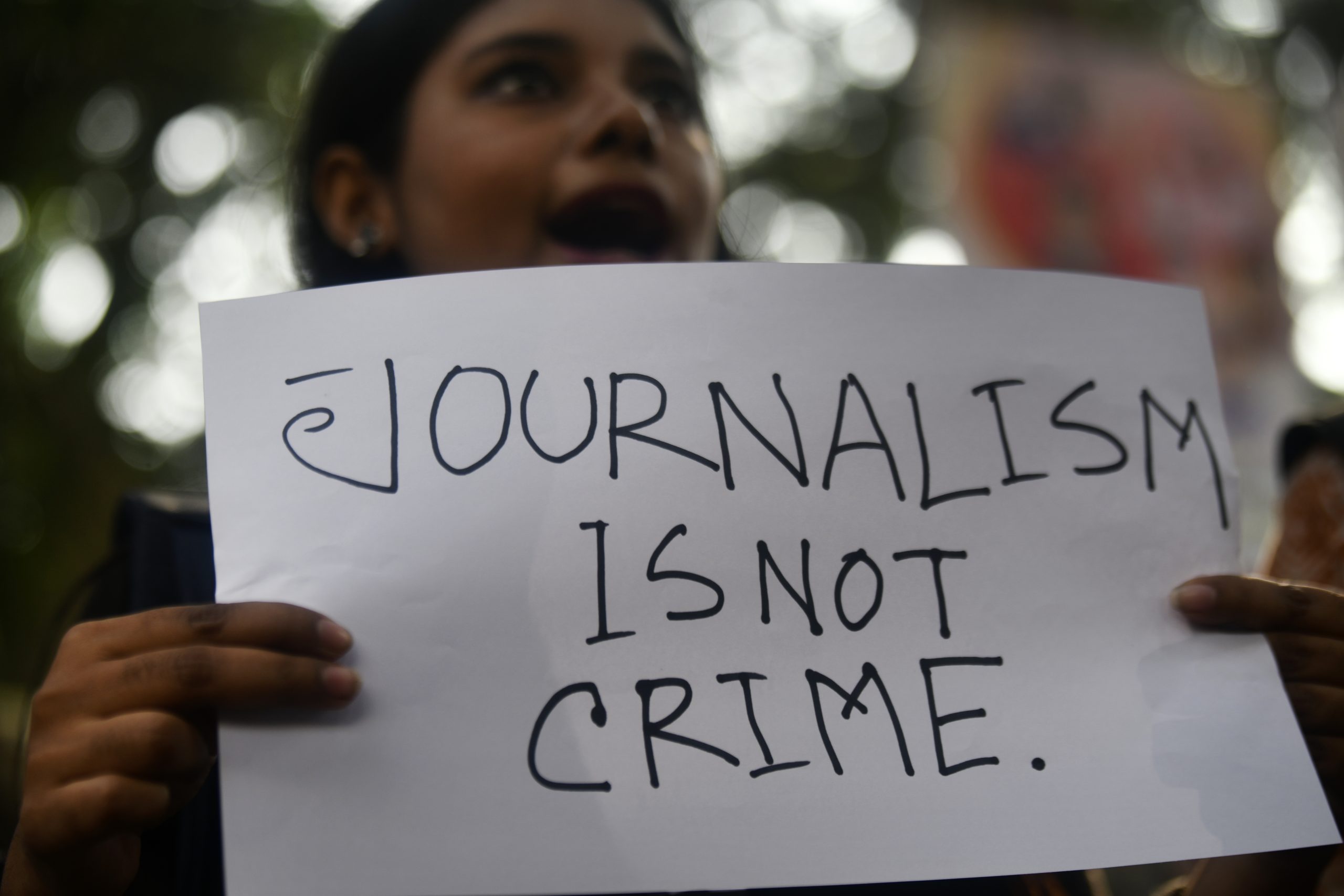
The arrest of four individuals for allegedly criticising Bangladesh’s new government has raised early concerns about whether the administration of Prime Minister Tarique Rahman intends to break from the repressive practices of the past. Human Rights Watch (HRW) said the detentions mark an alarming continuation of the previous regime’s approach to dissent, despite public promises of reform. The rights group urged the government to uphold its commitments to free expression and amend laws that have long been used to silence journalists and social media users.
Among those detained was AM Hasan Nasim, arrested on 17 April for posting a cartoon referencing a comment made by a government lawmaker. Police took him from his home in Dhaka after a ruling party supporter filed a complaint. HRW noted that Bangladesh, as a UN member state and signatory to the Universal Declaration of Human Rights, is bound by Article 19, which guarantees freedom of expression. The country’s Constitution also protects free speech, equality before the law and the right to liberty.
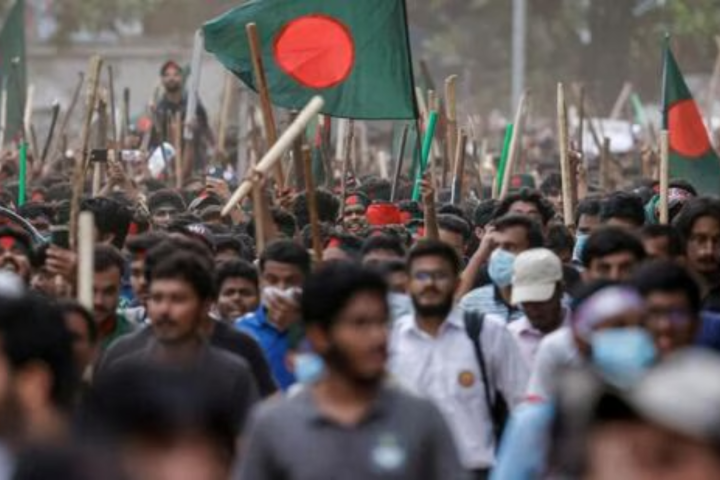
The interim government in 2025 attempted to curb abuses by introducing the Cyber Security Ordinance, which requires that only individuals directly harmed by online content may file complaints. HRW said this safeguard was ignored in the recent arrests, as complaints were filed by people who were not affected by the posts. The organisation warned that the pattern mirrors the tactics used under former prime minister Sheikh Hasina, whose government relied on restrictive laws, internet shutdowns and force to suppress dissent. During the 2024 protests, authorities imposed a curfew and issued a shoot‑on‑sight order that reportedly left more than 300 people dead and 20,000 injured, in direct violation of Article 20 of the UDHR, which protects peaceful assembly.
Rahman came to power after a landslide victory in February, 18 months after Hasina was removed by a mass protest movement and fled the country. HRW said the new administration must demonstrate political will to reverse the culture of repression. The organisation’s deputy Asia director, Meenakshi Ganguly, wrote that Bangladeshis had risked their lives for freedom and that it was troubling to see arrests for online criticism so soon after the new government took office.
The early actions of the Rahman government suggest that the legal and political structures used to control speech remain largely intact. Rights groups argue that unless the government reforms these laws and ensures that complaints cannot be weaponised by political actors, Bangladesh will continue to face questions about its commitment to democratic freedoms.