 News Desk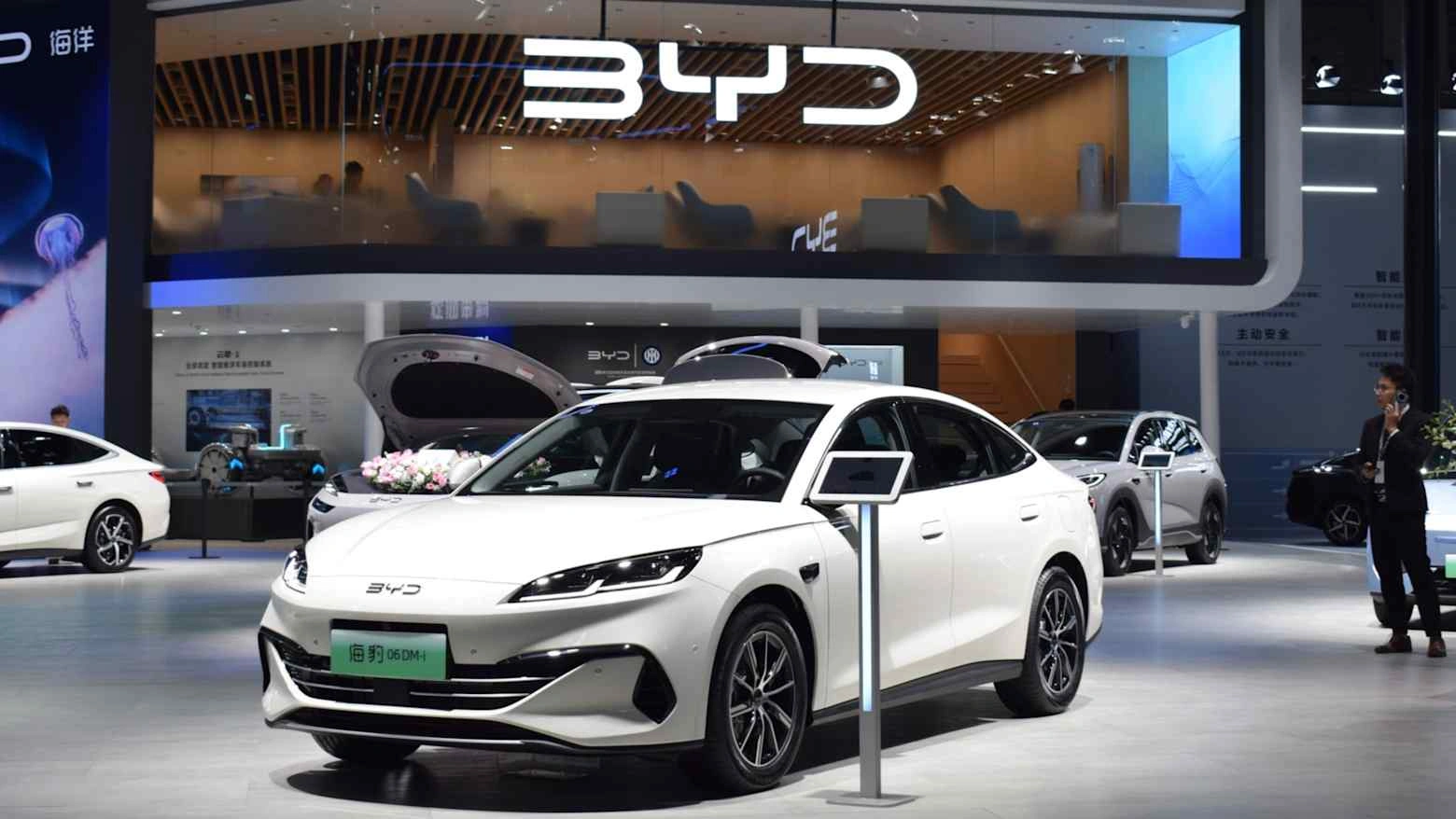
China’s accelerating push to export electric vehicles and advanced automotive technology reflects a dual reality: global ambition and deepening economic pressure at home. The Reuters report shows an industry that has outgrown its domestic market and is now looking outward for survival and influence.
China remains the world’s largest and most technologically advanced car market, but a prolonged price war has created a glut of vehicles, including EVs produced by brands that remain largely unknown in Western markets. Car sales fell 18 percent in the first quarter compared with a year earlier, and analysts expect demand to stay flat or decline. This slowdown is pushing Chinese automakers to seek higher margins and larger volumes abroad.
Exports have become the main engine of growth. China exported 5.8 million vehicles last year, almost 20 percent more than the previous year, and forecasts suggest exports could rise to 7.4 million in 2026. Companies such as Aito, backed by Huawei, are planning aggressive overseas expansion. Aito aims to double annual sales to one million vehicles by 2030, with 20 percent coming from foreign markets within three years. The company plans to enter northern Europe this year, where EV adoption is high.
Tariffs have slowed but not stopped the push. The United States remains effectively closed to Chinese EVs due to tariffs of around 100 percent. Europe has imposed duties as well, but Chinese vehicles remain competitive on price and technology. Industry experts quoted in the report say Chinese‑made cars increasingly meet the expectations of overseas consumers. Political resistance persists. Three US senators recently urged President Donald Trump to block Chinese automakers from entering the US market or exporting from Mexico or Canada.
China is also positioning itself as a leader in next‑generation mobility. Xpeng expects to begin large‑scale production of its flying cars next year and humanoid robots in late 2026. The company has received more than 7,000 orders for its flying vehicles and plans to start robotaxi tests in Guangzhou this year. It expects more than half of its revenue to come from overseas markets within the next decade.
The Reuters report makes clear that China’s global EV expansion is driven by both ambition and economic necessity. Domestic oversupply, slowing demand and intense competition are forcing companies to look abroad. At the same time, China sees an opportunity to set global standards in electric mobility, autonomous driving and emerging technologies such as flying cars. For countries like the Maldives, the trend signals a future where Chinese EVs and related technologies may become more accessible and competitively priced, especially as Chinese firms deepen their presence in Asia and Europe.