News Desk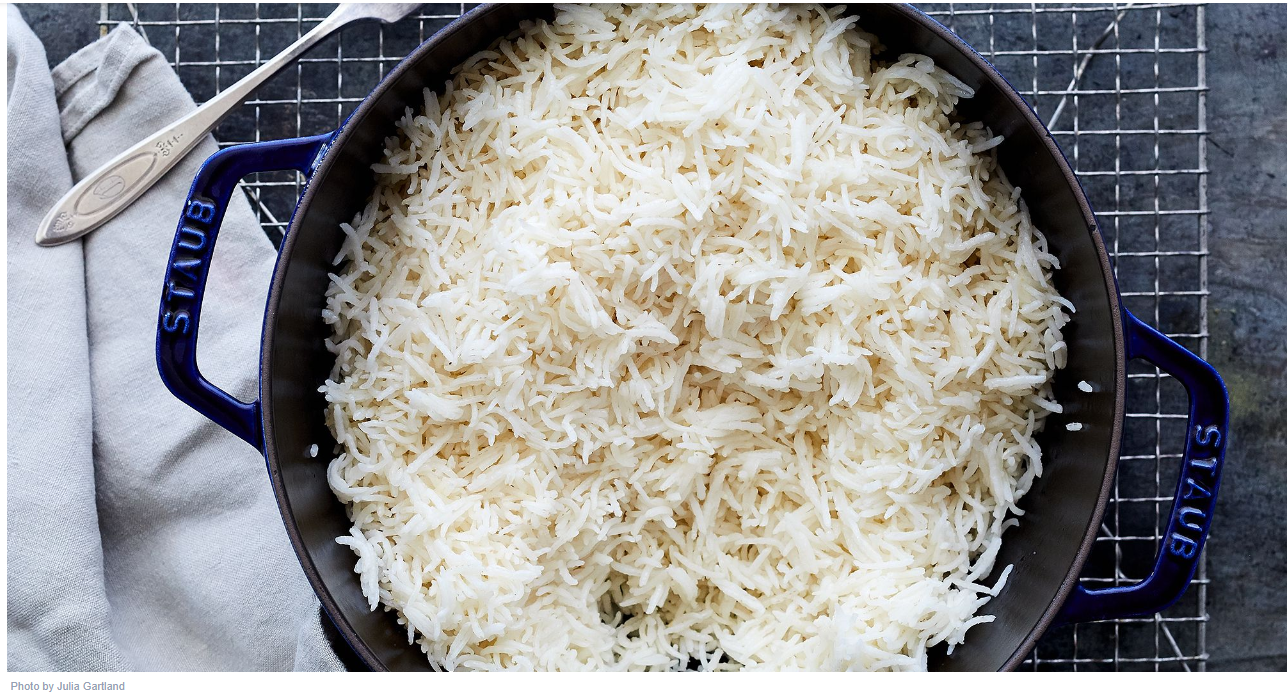
A global squeeze on rice supplies is emerging as the Iran war drives up fuel and fertiliser costs across Asia, while an intensifying El Niño threatens to cut yields in major producing countries. The combination is pushing the world’s most important staple from surplus to strain, with analysts warning of price shocks across Asia and Africa.
Farmers in several countries are already reducing fertiliser use due to soaring prices linked to the conflict, raising fears of lower output. El Niño’s hotter, drier conditions are expected to hit Southeast Asia hardest, with Indonesia projecting an 11% drop in production and the Philippines facing a potential six‑million‑tonne shortfall.
India features prominently in the emerging picture. The country — the world’s largest rice exporter — holds record stockpiles of 42 million tonnes, roughly one‑fifth of global reserves, positioning it as a crucial buffer if global production dips.
The report notes that India’s earlier export restrictions in 2022–23 had already tightened global supply and contributed to price spikes. With the main planting season beginning in June–July, any disruption in fertiliser availability or fuel costs could directly affect India’s next harvest, amplifying global risks.
Thailand, Vietnam and the Philippines are all bracing for reduced yields as input costs rise. Indonesia expects a 10.6% reduction in harvested area, while African importers — heavily dependent on Asian rice — face renewed vulnerability.
Economists warn that even small supply shocks can send rice prices soaring, disproportionately hurting low‑income households. With the Iran war disrupting trade routes and El Niño tightening production, the world’s most consumed grain is entering a period of heightened volatility.
For now, India’s massive reserves remain the single largest stabilising factor — but any shift in New Delhi’s export policy or a weak monsoon could quickly reshape the global outlook.