 News Desk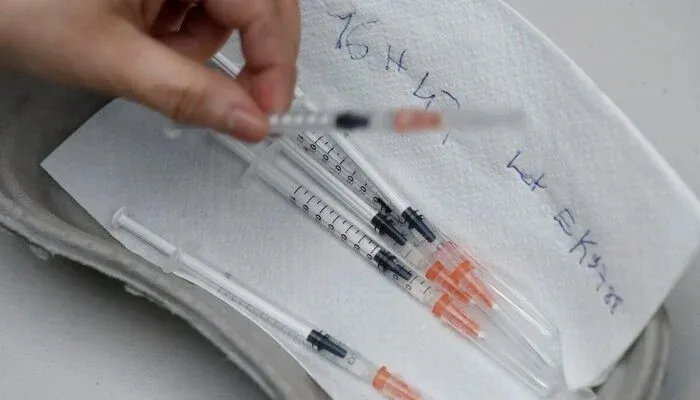
Reusable syringes — some falsely branded as “auto‑disable” safety devices — continue to flood Pakistan’s hospitals and pharmacies despite a nationwide ban, exposing glaring enforcement failures and a public‑health threat that refuses to die.
An investigation by The News found that syringes marketed as single‑use can be freely reused, their plungers sliding back and forth instead of locking after one injection. The deception, experts say, undermines one of the most basic infection‑control measures meant to curb the spread of HIV and hepatitis.
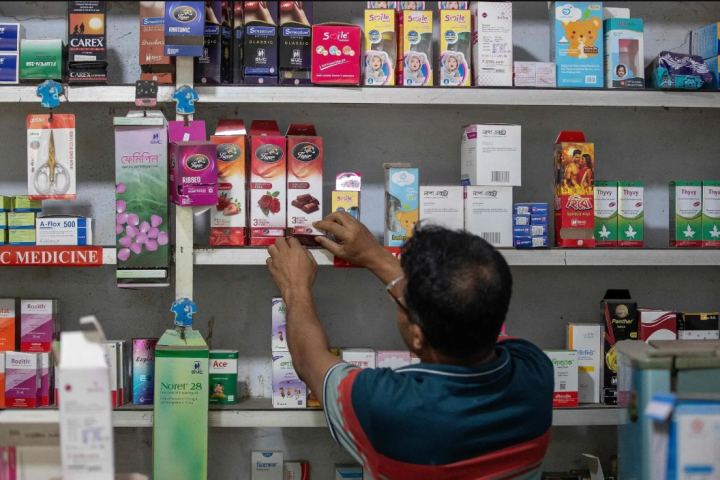
The Drug Regulatory Authority of Pakistan (DRAP) admits compliance gaps but insists it is “taking steps” to enforce its directives. Provincial officials echo the claim, rejecting any suggestion of laxity. Yet field reports tell a different story: banned 2ml, 3ml and 5ml syringes remain widely available in Peshawar, Multan and Jacobabad — in both rural clinics and urban pharmacies — suggesting that the prohibition exists largely on paper.
Investigators traced production to factories in the Gadoon Amazai industrial zone, where manufacturers allegedly continue to churn out reusable syringes under the radar. Healthcare workers say the consequences are visible. “These syringes are easily available in markets and pharmacies, and despite repeated complaints, no action is taken,” said a staffer at Jacobabad Institute of Medical Sciences. Quacks, they added, charge Rs 50–100 per injection and reuse the same syringe on multiple patients to cut costs.
Jacobabad, already a hepatitis‑C hotspot, is now reporting a rise in HIV cases linked to unsafe injections. “The ban was a genuine policy victory, but enforcement has been virtually absent,” said Syed Omer Ahmed, chairman of the Healthcare Devices Association of Pakistan. He blamed a network of unlicensed practitioners for sustaining the trade.
A DRAP letter dated April 22, 2026, ordered a nationwide market survey to identify violations and warned of legal action against non‑compliant products. The directive reiterates that import and manufacture of conventional disposable syringes have been banned since July 31, 2021, and all registrations cancelled.
But on the ground, Pakistan’s syringe ban remains a hollow promise — a case study in how weak oversight and entrenched malpractice can turn a public‑health safeguard into another symbol of systemic failure.