 News Desk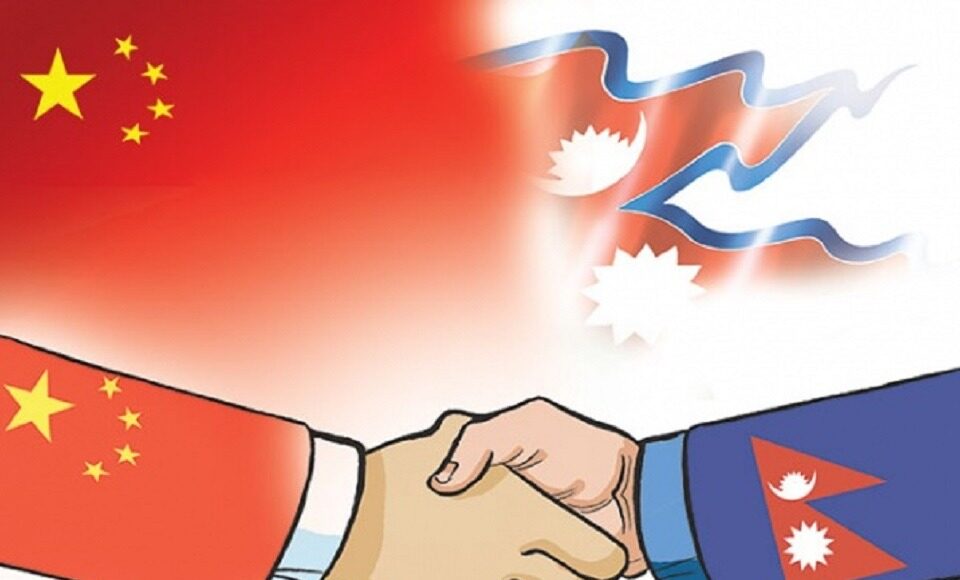
Nepal has launched a high‑level investigation into major China‑linked projects approved during the tenure of former Prime Minister K. P. Sharma Oli, and has suspended all new Belt and Road Initiative (BRI) agreements until the review is completed. The government announced the decision in Kathmandu as concerns grew over stalled projects, opaque financing and rising political pressure from Beijing.
Officials stated that the committee will examine why several flagship projects failed to progress despite repeated announcements between 2016 and 2018, when Nepal moved closer to China under the BRI framework. The review will assess financial liabilities, implementation gaps and whether the projects align with Nepal’s national interests.
The Budhi Gandaki Hydropower Project illustrates the pattern of delays. Authorities awarded the project to China Gezhouba Group in 2017, cancelled the contract months later, reinstated it in 2018 and saw no meaningful progress after 2022. The proposed Kerung–Kathmandu railway remains at the feasibility stage. The Trans‑Himalayan Multi‑Dimensional Connectivity Network has not advanced beyond conceptual discussions. Cross‑border transmission lines, northern highway upgrades and border infrastructure at Rasuwagadhi–Kerung also remain incomplete.
Digital infrastructure projects involving Huawei and ZTE have progressed unevenly since 2017. Analysts note that many agreements lacked transparency and clear funding structures. They also highlight Nepal’s difficult terrain, which makes large‑scale cross‑border projects technically complex and financially demanding.
The government’s “review‑first” policy marks a shift from the Oli administration’s approach, which prioritised rapid engagement with China. Officials now argue that Nepal must avoid overcommitment and ensure that external partnerships support long‑term national priorities. They also point to concerns that some projects reflected China’s strategic interests more than Nepal’s development needs.
The decision signals a broader assertion of sovereignty. Nepal aims to reduce dependence on a single external partner and ensure that future cooperation is based on transparency, accountability and measurable outcomes. The government has stated that it will not negotiate new BRI projects until the committee publishes its findings.
Observers describe the move as a turning point in Nepal’s China policy. They say Kathmandu is shifting from politically driven commitments to evidence‑based decision‑making. The review is expected to shape Nepal’s future engagement with China and determine whether stalled projects can be revived, restructured or cancelled.