 News Desk
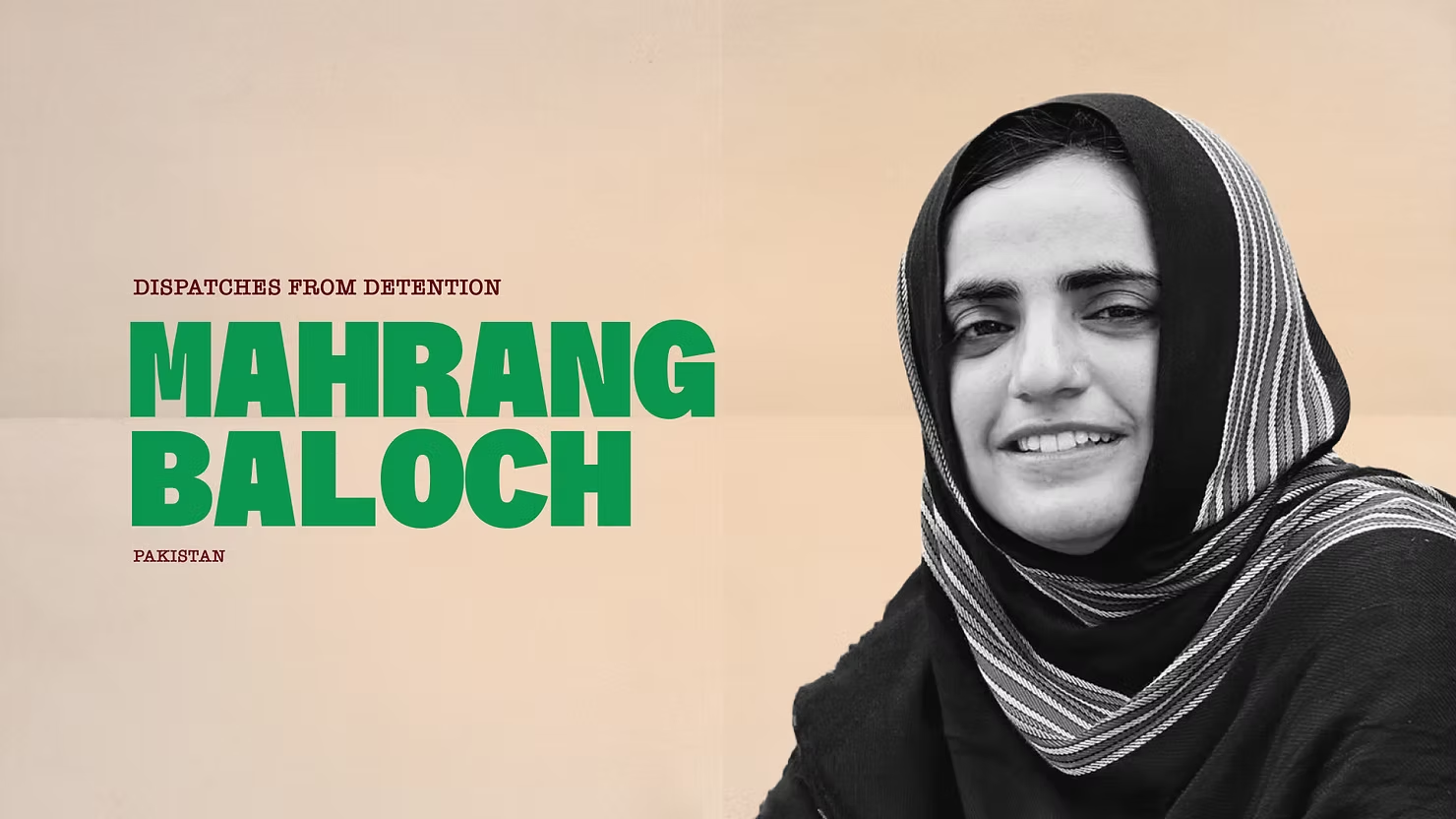
QUETTA, Pakistan — Inside a maximum-security cell at Quetta’s Hudda District Prison, Dr Mahrang Baloch, the 33-year-old physician-turned-activist who became the moral voice of Pakistan’s restive southwest, is serving two life sentences handed down behind closed doors.
For more than a year and a half, Dr Baloch—founder of the Baloch Yakjehti Committee (BYC) and a 2025 Nobel Peace Prize nominee—has been held in prolonged isolation, largely cut off from the families of the disappeared whose cause she championed across Pakistan. Her conviction in June 2026 by an anti-terrorism court operating inside the prison compound marks what international rights monitors describe as an unprecedented criminalisation of peaceful dissent in Balochistan.
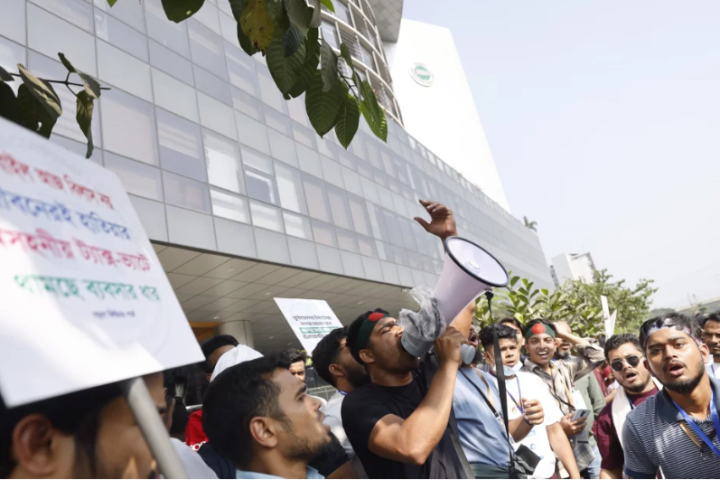
Dr Baloch’s ordeal began in the early hours of 22 March 2025, when security forces raided a peaceful sit-in in Quetta where families were mourning protesters killed during demonstrations against the alleged abduction of a BYC member. Initially detained without charge under colonial-era public-order statutes, she was subsequently swept into a tangle of overlapping terrorism and murder prosecutions across the province.
Following a secret trial held inside Hudda Jail—a proceeding human rights organisations say was riddled with due-process violations, denied proper legal access and stripped of public scrutiny—the court sentenced both Dr Baloch and fellow BYC leader Sibghatullah Shahji to life imprisonment in connection with the 2024 death of a Frontier Corps officer during protests.
Amnesty International denounced the verdicts as a “travesty of justice”, noting that at least three Baloch demonstrators were killed during the same protests without a single state official being charged. In August, a coalition of international advocacy groups, including Freedom House and the Human Rights Foundation, petitioned the United Nations Working Group on Arbitrary Detention to declare her imprisonment unlawful.
Dr Baloch’s incarceration is the sharpest edge of a wider campaign against Baloch civil society. For two decades, Balochistan—Pakistan’s largest, poorest and most resource-rich province—has been scarred by a low-level separatist insurgency and a brutal state counter-insurgency defined by enforced disappearances and extrajudicial killings.
Rights monitors say the state has systematically conflated peaceful civil rights advocacy with armed militancy:
-
Escalating Disappearances: The BYC documented more than 750 new cases of enforced disappearance in the first half of 2025 alone, with families reporting that plainclothes operatives routinely abduct students, doctors and labourers without warrants. Reports of fresh detentions in districts such as Winder and Khuzdar have continued into late 2026.
-
Targeting Women and Relatives: Because women have led the movement—including Dr Baloch, whose own father was forcibly disappeared in 2009 and later found tortured to death—authorities have increasingly targeted activists’ relatives. Prominent organisers such as Beebow Baloch and Gulzadi Baloch have faced detention, while the homes of activists like Sammi Deen Baloch have been raided without warrants.
-
Information Blackouts: Major public gatherings in Gwadar, Quetta and Dalbandin have been met with highway blockades, mobile network shutdowns and bans on media coverage.
In letters smuggled from prison, Dr Baloch—whose health has reportedly deteriorated during extended solitary confinement—has described imprisonment not as a shock, but as a familiar inheritance. “My understanding of state violence began long before I entered this jail,” she wrote, recalling childhood visits to her imprisoned father.
Critics in Islamabad and abroad warn that by jailing a non-violent physician who sought redress through courts, marches and the Constitution, Pakistan’s security establishment has dismantled the very civic bridge capable of easing Balochistan’s alienation. Rather than restoring order, observers contend, criminalising peaceful protest risks deepening despair across a province that has long felt treated as a security zone rather than an equal partner in the federation.