News Desk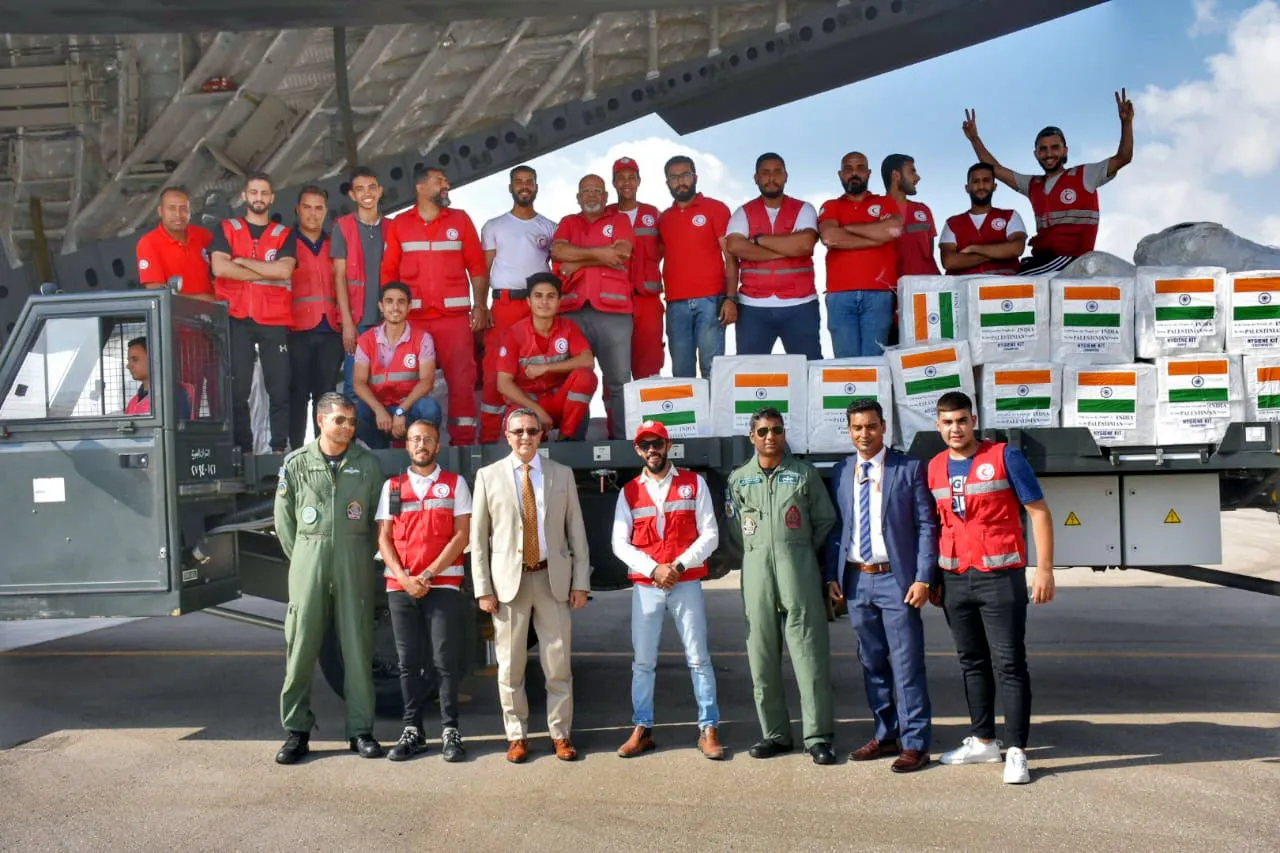
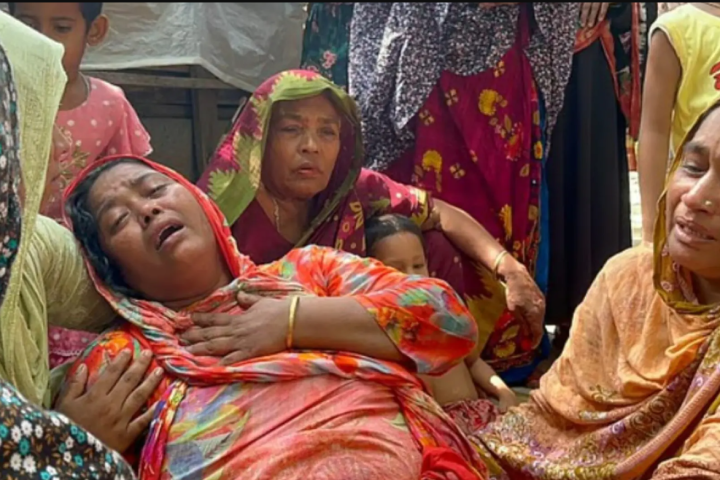
As Washington pauses a key funding stream to South Asia, countries like Bangladesh and Nepal are bracing for the fallout. For decades, USAID has been a crucial force in the region, supporting food security, healthcare, education, and agricultural development. Bangladesh alone received $490 million in 2023, while Nepal had signed a five-year, $659 million development agreement in 2022. Now, with U.S. aid frozen, the absence of these funds leaves a vacuum—one that India may be poised to fill.
Unlike its smaller neighbors, India has charted its economic course with a strong foundation of self-reliance and regional partnerships. The funding freeze presents a broader challenge for the region, and India, as the dominant power in South Asia, finds itself at a crossroads: should it step in to stabilize the development landscape?
New Delhi has the resources, ambition, and, perhaps, a strategic imperative to act. Its expanding economy offers a financial cushion that could support regional initiatives.
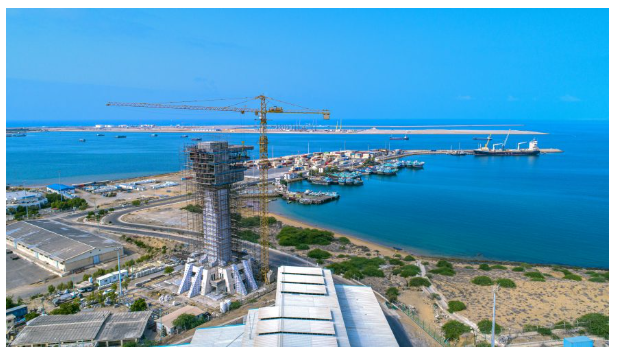
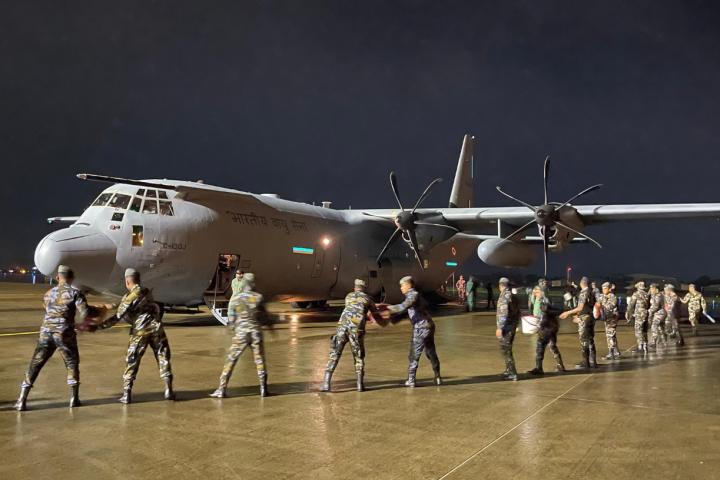
In recent years, India has reinforced its role as a regional stabilizer, extending crucial support during crises, whether through emergency financial assistance to Sri Lanka, currency swaps or essential commodity supplies to the Maldives, or vaccine diplomacy during the pandemic, while also investing in infrastructure projects across the subcontinent under its SAGAR vision, offering aid without the debt burdens or strategic conditions often associated with Chinese assistance.
Now, with U.S. support dwindling, India has an opportunity to widen its reach—whether through direct financial assistance, partnerships in healthcare and education, or the deployment of homegrown technological solutions.
Such a move would not be without its complexities. Development aid, after all, is as much about diplomacy as it is about dollars. The U.S. funding freeze has created uncertainty in the region, and other global powers, including China, are likely to recalibrate their strategies accordingly. But for India, stepping up could reinforce its leadership in South Asia at a time when stability and cooperation are more crucial than ever.
The question now is whether New Delhi will seize the moment. If it does, it may not only fill the void left by Washington but also define a new era of regional development—one driven not from the West, but from within South Asia itself.