 News Desk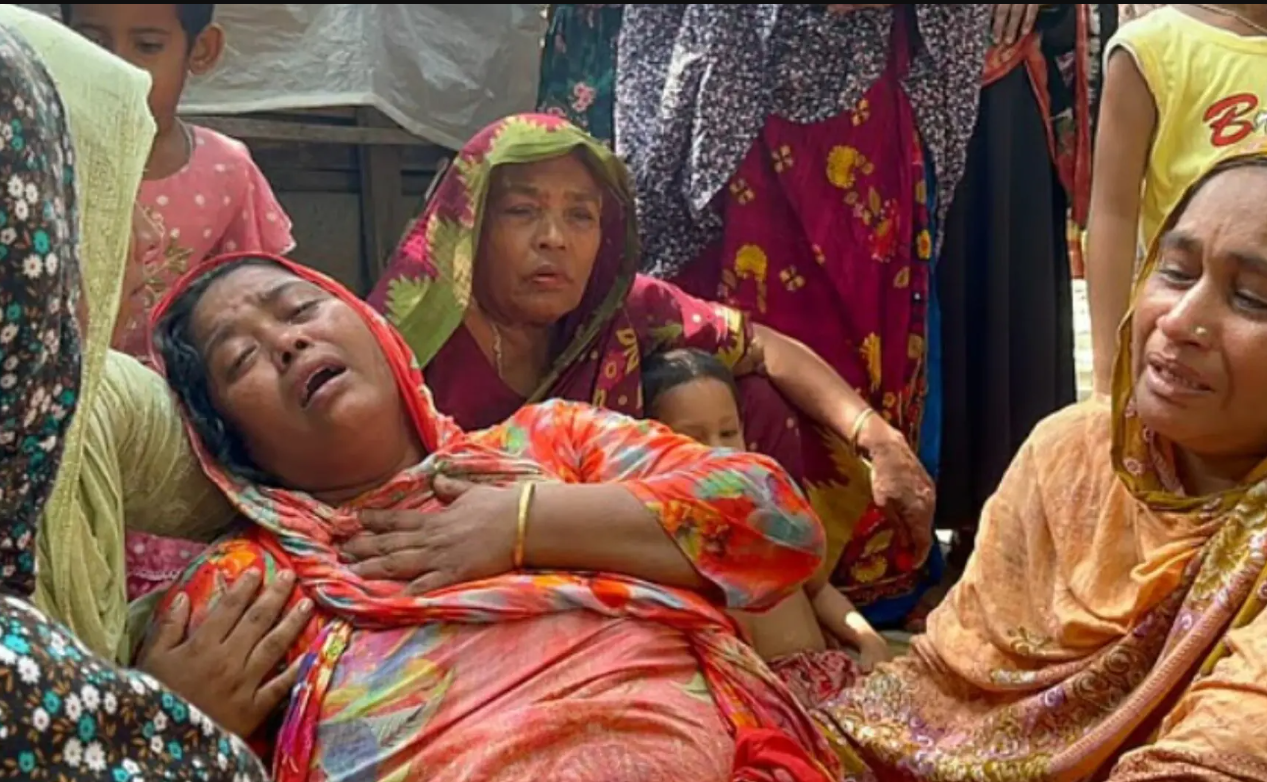
DHAKA, Bangladesh — A troubling new front in South Asia’s militant landscape has emerged: young Bangladeshis are being recruited into Pakistan’s Tehreek-i-Taliban (TTP) and other extremist groups. At least four have already been killed in clashes with Pakistani security forces, underscoring what analysts describe as a dangerous failure of the Yunus government to stem radicalization at home.
Bangladesh’s Counter Terrorism and Transnational Crime (CTTC) unit estimates that 25 to 30 citizens are currently fighting in Pakistan. Recruitment began around 2023, often targeting vulnerable rural youth with false promises of overseas jobs in Dubai or Saudi Arabia. Instead, many were funnelled through Afghanistan before reaching Pakistan’s tribal areas.
Critics argue that Prime Minister Muhammad Yunus’s administration has been alarmingly slow to recognize the scale of the problem. Despite repeated warnings from security officials, the government has offered little beyond piecemeal arrests and vague assurances. “This is not just a law-and-order issue; it’s a national security crisis,” said one Dhaka-based analyst. “The Yunus government has failed to build a coherent counter-radicalization strategy.”
The human toll is stark. Families in Madaripur, Gopalganj, and other districts were told their sons had secured jobs abroad, only to later learn they had died in Pakistan. The deception highlights the lack of oversight in Bangladesh’s labour migration system; a sector critics say the Yunus government has neglected despite its importance to the economy.
Profiles of Bangladeshi Recruits in Pakistan’s Militant Pipeline
| Name | Age | District (Bangladesh) | Claimed Story to Family | Actual Path Taken | Status in Pakistan | Notes |
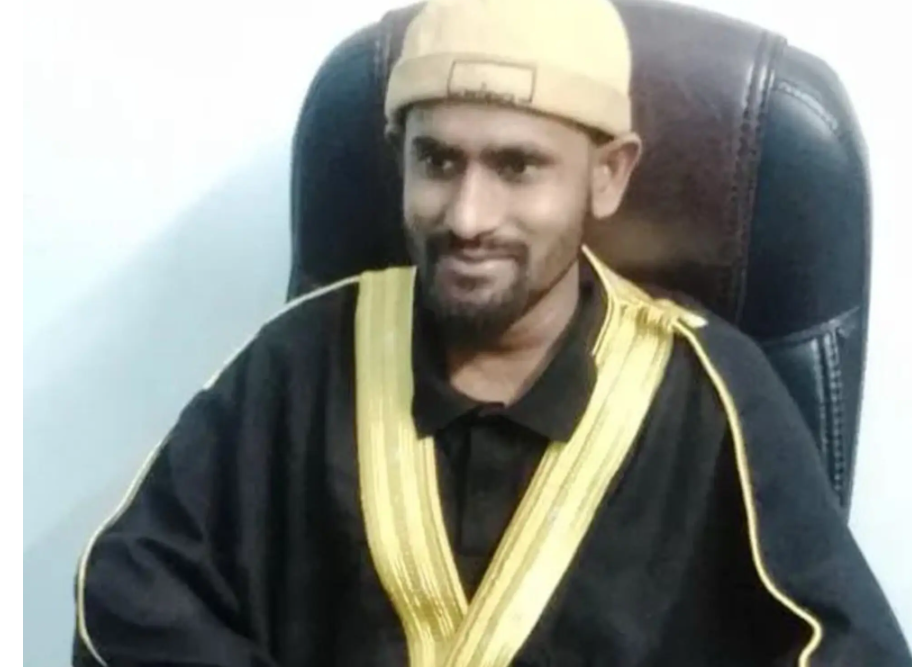
| Faisal Hossain | 22 | Madaripur (near Dhaka) | Said he had a job in Dubai, salary 35,000 takas (~USD 285) | Crossed into Pakistan via Afghanistan | Killed Sept 26, 2025 in Karak, Khyber Pakhtunkhwa | Identified by brother Arman from photos of bodies; family misled for months |
| Zubair Ahmed | 22 | Not specified (middle-class family) | Went to Saudi Arabia for Umrah in Nov 2024, told family he was “spreading Allah’s message” | Entered Pakistan legally from Saudi Arabia | Killed April 2025 | Mother Aleya Akter received anonymous call confirming death |
| Ratan Dhali | 29 | Gopalganj (southwest Bangladesh) | Told family he had clinic work in Dubai | Entered Pakistan via Afghanistan | Unclear – CTTC said killed Sept 26, 2025, but video later claimed he was alive | Last spoke to family Apr 11, 2024 (Eid); family remains in limbo |
Authorities have filed cases under the Anti-Terrorism Act and claim to have stopped more than 100 individuals from traveling to Pakistan for militant purposes. Yet experts note that these actions remain reactive. “The Yunus administration is treating symptoms, not causes,” said a former CTTC officer. “Online radicalization, misinterpretation of religious edicts, and economic desperation are fuelling this pipeline. None of these are being addressed.”
The phenomenon of Bangladeshis fighting against Pakistan is unprecedented, raising alarms across South Asia. It underscores how extremist networks exploit porous borders and weak governance. For Bangladesh, the reputational damage is severe: a country long praised for its counterterrorism successes now finds itself exporting militants.
The militant pipeline from Bangladesh to Pakistan is not merely a story of extremist recruitment. It is a story of governmental neglect, where the Yunus administration’s failure to act decisively has allowed radical networks to flourish. As families grieve and regional security frays, the question is no longer whether Bangladesh can contain the threat — but whether the Yunus government has the political will to do so.