News Desk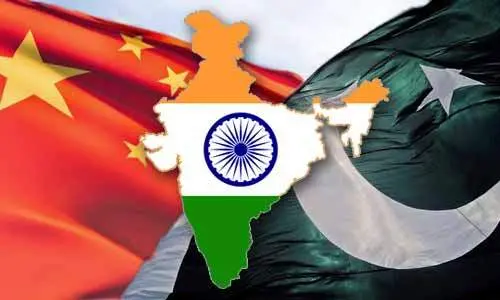
NEW DELHI — The horrific terror attack in Pahalgam, Jammu and Kashmir, on April 22, which claimed 26 lives, mostly tourists, has exposed the troubling complicity of Pakistan and its ally China in shielding perpetrators of terrorism, drawing sharp criticism from India. As India mourns and pursues justice, Pakistan’s evasive calls for an “impartial investigation” and China’s diplomatic tightrope walk have fueled outrage, underscoring a pattern of denial and obfuscation that undermines global efforts to combat terrorism.
The attack, claimed by The Resistance Front (TRF), a known offshoot of the Pakistan-based Lashkar-e-Taiba, was a chilling reminder of Pakistan’s role as a breeding ground for terrorism targeting India. Indian officials have pointed to overwhelming evidence of Pakistan’s support for such groups, with the TRF’s operations traced to terror camps across the border. Yet, Pakistan’s response has been predictably disingenuous, demanding an investigation it has historically stalled, a tactic critics say is designed to deflect accountability. “Pakistan’s call for a probe is a false flag, a cynical ploy to dodge responsibility,” said Syed Akbaruddin, India’s former envoy to the United Nations, echoing sentiments in New Delhi.
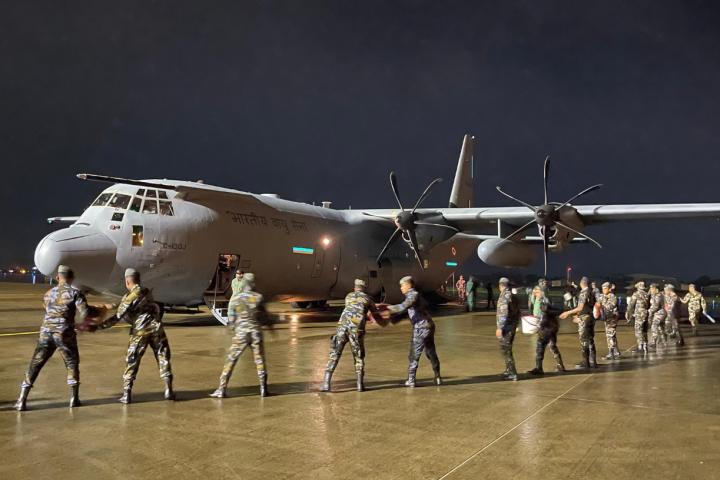
India’s decisive retaliation, Operation Sindoor, launched on May 7, targeted terror infrastructure in Pakistan and Pakistan-occupied Kashmir, signaling its resolve to hold Pakistan accountable. The operation, which India insists was precise and necessary, was met with Pakistan’s indignation and a familiar playbook of denial. Rather than confront its role in fostering terrorism, Pakistan leaned on its “ironclad” ally, China, to bolster its narrative.
China’s response has been equally galling to India. While Beijing issued a perfunctory condemnation of the attack, expressing “deep condolences” for the victims, its Foreign Ministry stopped short of naming Pakistan or its proxies. Instead, China urged both nations to “exercise restraint” and backed Pakistan’s call for a “prompt, fair, and impartial” investigation — a stance India dismissed as absurd given Pakistan’s track record of shielding terrorists.
Chinese state media, notably the Global Times, has maintained a studiously neutral tone, sidestepping India’s evidence of Pakistan’s culpability and framing the conflict as a “bilateral spat” requiring de-escalation.
This diplomatic hedging reflects China’s broader strategy of protecting Pakistan, a key partner in its Belt and Road Initiative, while maintaining delicate ties with India after recent border disengagement along the Line of Actual Control. But for many in India, China’s equivocation amounts to enabling terrorism. “By refusing to call out Pakistan’s role, China is complicit in letting terror fester,” said a senior Indian official. Critics argue that China’s history of blocking UN designations of Lashkar-e-Taiba operatives as global terrorists further exposes its bias.
The Pahalgam attack has galvanized public opinion in India, where grief has turned to anger at Pakistan’s impunity and China’s apparent indifference. Social media platforms in India are awash with calls to hold Pakistan accountable, with hashtags like #PakistanSponsorsTerror trending widely. The attack’s brutality — families gunned down, upon checking on their religious identity, in a picturesque valley — has struck a deep chord, amplifying demands for international pressure on Pakistan to dismantle its terror networks.
India’s government, led by Prime Minister Narendra Modi, has vowed to pursue justice relentlessly. “Those who harbor terrorists will face consequences,” Mr. Modi declared after Operation Sindoor, a statement seen as a direct warning to Pakistan. Yet, Pakistan’s reliance on China’s diplomatic cover complicates India’s efforts. Beijing’s insistence on “regional peace” while ignoring Pakistan’s role in destabilizing South Asia has drawn sharp rebukes from Indian TV analysts, who see it as a cynical bid to maintain influence over Islamabad at the expense of innocent lives.
As India presses its case on the global stage, the international community faces a stark choice: hold Pakistan accountable for its role in sponsoring terrorism or allow China’s geopolitical maneuvering to shield a state that exports violence. For the victims of Pahalgam and countless other attacks, justice demands nothing less than an unequivocal stand against Pakistan’s terror machinery — a stand that China, so far, seems unwilling to take.