 News Desk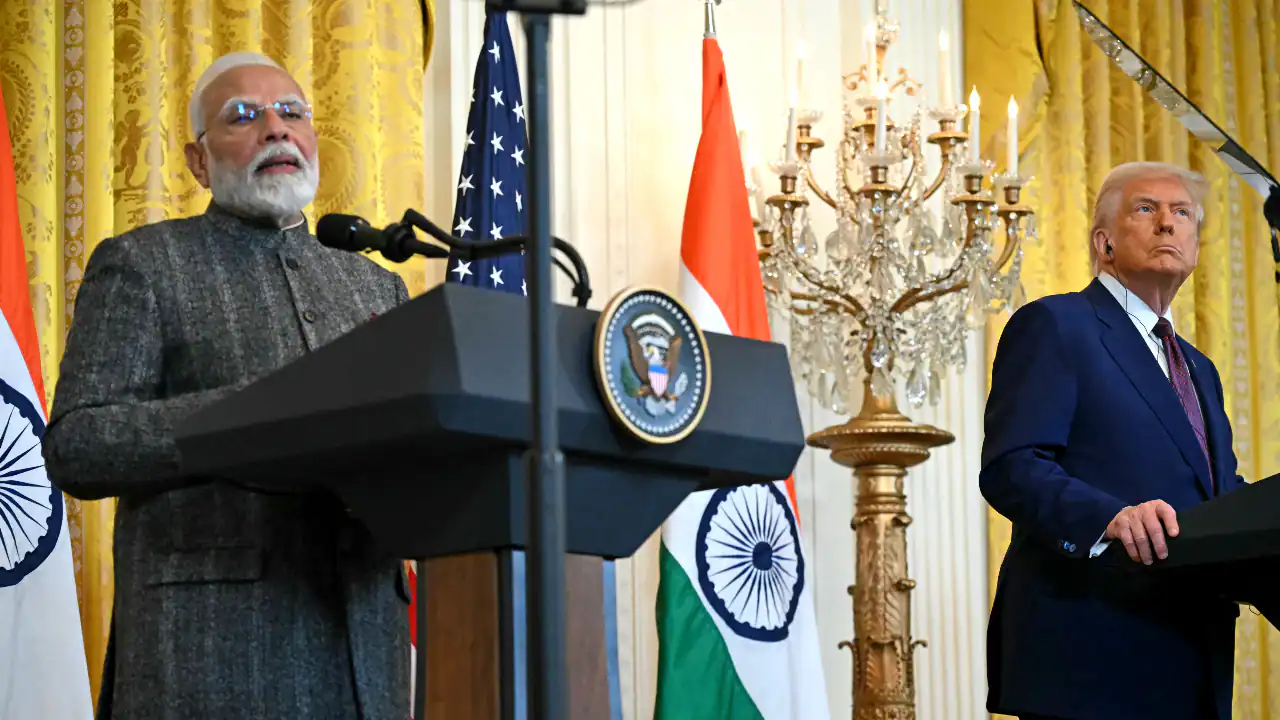
Washington, D.C. – Prime Minister Narendra Modi’s recent visit to Washington and his meeting with President Donald Trump have sparked widespread reactions across global media, revealing varied interpretations of their discussions and the broader implications for international relations.
In the United States, The New York Times emphasized the strategic nature of the meeting, highlighting the focus on enhancing trade and defense cooperation. The paper noted that both leaders avoided controversial topics such as human rights and minority rights, signaling a shift in U.S. foreign policy priorities toward pragmatic mutual interests over value-based diplomacy.
The Associated Press drew attention to an unusual incident during the visit, where one of its journalists was excluded from the Modi-Trump press conference. The White House’s insistence on using the term “Gulf of America” instead of “Gulf of Mexico” reportedly led to the journalist’s barring, raising concerns about press freedom and the administration’s media relations practices.
European outlets also weighed in on the significance of the meeting. The Financial Times spotlighted the economic agenda, reporting on discussions around potential sales of F-35 fighter jets to India and ambitions to double bilateral trade to $500 billion by 2030. Analysts interpret these developments as part of the U.S.’s broader strategy to strengthen partnerships in the Indo-Pacific region.
The BBC took a more comprehensive approach with a headline, “Five Key Takeaways from Modi-Trump Talks.” Notably, it highlighted Modi’s rare engagement in a direct press Q&A, where he addressed questions on immigration and allegations of bribery involving the Adani Group. Modi stated that these topics were not discussed with Trump. While the BBC’s coverage was measured, India’s National Herald’s Ashis Ray offered a sharply critical take, describing the visit as one initiated by Modi and contrasting the welcome he received with the grander receptions afforded to other dignitaries by Trump.
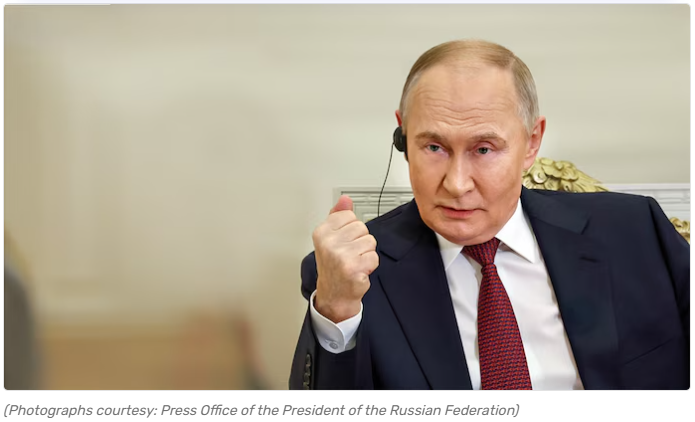
In Russia, coverage of the meeting was subdued. Politico ran a headline, “Modi Visit Overshadowed by Trump’s Putin Lean in Ukraine Conflict,” suggesting that the Modi-Trump meeting was eclipsed by Trump’s apparent overtures to Putin over Ukraine.
Russian state outlet TASS largely ignored the visit, instead focusing on the Trump-Putin call, which was extensively analyzed.
Pakistani media, including Dawn, expressed alarm over the strengthening U.S.-India defense ties, interpreting them as a potential threat to regional stability. Editorials called for Pakistan to bolster its diplomatic initiatives and defense capabilities in response to the evolving partnership.
In the Middle East, Al Jazeera provided measured analysis, focusing on the geopolitical implications of closer U.S.-India ties. Commentators suggested that these developments could shift regional power dynamics, particularly in light of China’s growing influence.
Editorial Perspectives
Several major publications offered editorial insights into the visit. The Washington Post criticized the omission of human rights issues from the dialogue, viewing it as part of a broader trend of sidelining democratic values in favor of strategic gains. Conversely, The Wall Street Journal lauded the emphasis on economic and defense cooperation, framing it as a pragmatic step toward strengthening bilateral relations in a volatile global landscape.
Prime Minister Modi’s visit to Washington and his meeting with President Trump have elicited diverse reactions across global media. While the discussions showcased the deepening economic and defense partnership between the two nations, the deliberate avoidance of contentious topics has drawn both praise and criticism. As the world watches this evolving relationship, the strategic, economic, and ethical dimensions of U.S.-India ties remain subjects of intense scrutiny.