News Desk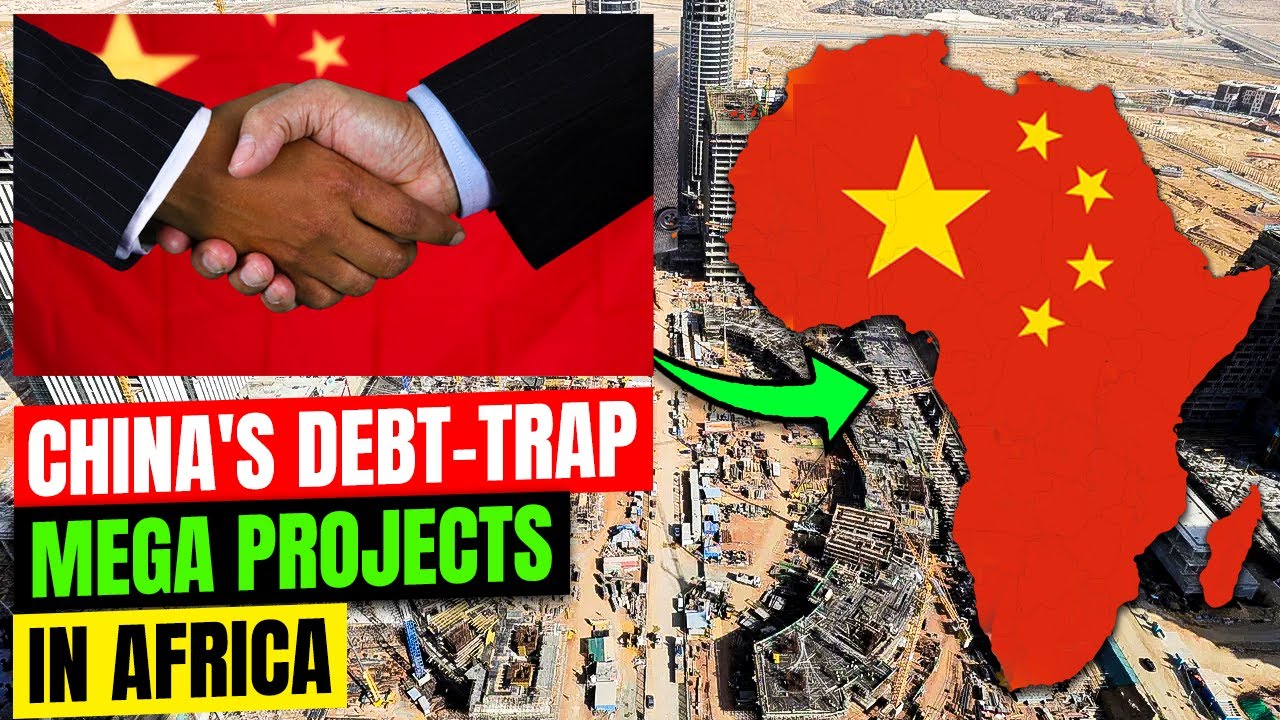
In the early 2010s, China’s Belt and Road Initiative was heralded as a transformative force, promising to connect developing nations through infrastructure and trade. A decade later, the narrative has shifted. China has emerged as the world’s leading debt collector, extracting record-high repayments from some of the planet’s poorest countries, according to a new report from the Lowy Institute, an Australian think tank. This shift, driven by the maturation of loans issued during the initiative’s peak, raises serious questions about China’s role as a development partner and the sustainability of its lending practices.
In 2025, 75 of the world’s most vulnerable nations are expected to repay a staggering $22 billion to China, a figure that underscores the scale of Beijing’s lending spree from 2012 to 2018. Riley Duke, the report’s author, describes China as facing a dilemma: balancing diplomatic pressure to restructure unsustainable debts with domestic demands to recover funds, particularly from quasi-commercial institutions. “China’s shift to chief debt collector will impact its reputation as a development partner and its broader messaging around South-South cooperation,” Duke said, pointing to the potential erosion of Beijing’s influence in the Global South.
The numbers are stark. In 54 of 120 developing countries with available data, debt repayments to China now surpass those owed to the Paris Club, a group of major Western bilateral lenders. The World Bank data cited in the report indicates that China accounts for over 30 percent of all bilateral debt service payments in 2025, cementing its position as the largest single creditor to developing nations. This marks a dramatic reversal from a decade ago, when China was a net provider of capital, lending more than it collected. By 2023, repayments exceeded new loan disbursements in 60 developing countries, up from just 18 in 2012.
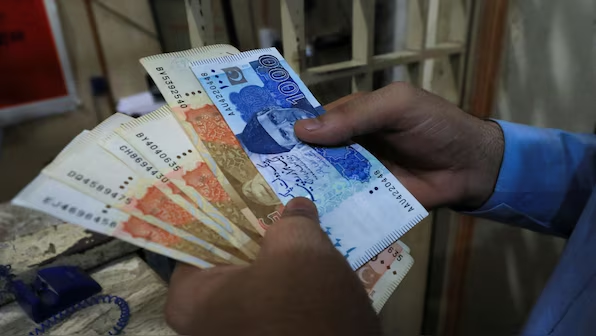
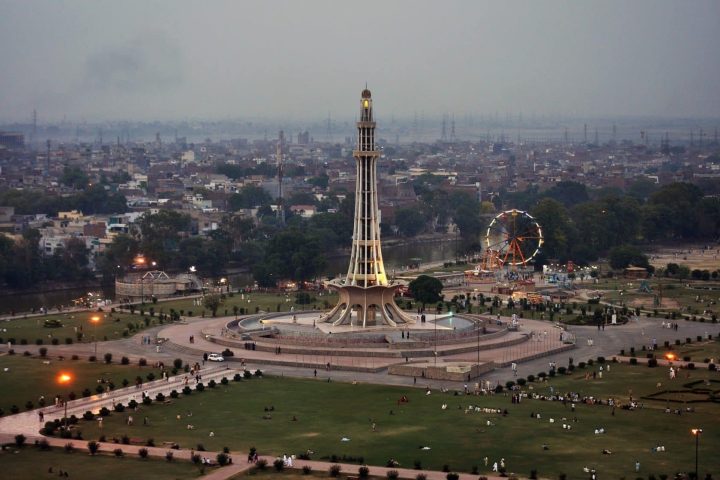
China’s Belt and Road Initiative, launched in 2013, aimed to create a China-centered trade network through massive infrastructure projects. While Beijing now emphasizes “small but beautiful” projects, the legacy of its earlier, ambitious lending continues to weigh heavily on borrower nations. Countries like Laos, Pakistan, and Mongolia—seven of China’s nine land neighbors—remain heavily indebted to Beijing, with new loans still flowing to strategic partners. In 2023, resource-rich nations such as Argentina, Brazil, Indonesia, and the Democratic Republic of Congo received $8 billion in Chinese loans, representing 36 percent of China’s total loan outflows that year.
Critics argue that China’s lending practices have created debt traps, ensnaring vulnerable economies in cycles of dependency. The terms of many Belt and Road loans, often opaque and tied to Chinese contractors, have left borrowing nations struggling to repay as grace periods expire. For instance, Sri Lanka’s Hambantota Port, financed by Chinese loans, was leased to a Chinese company in 2017 after the country defaulted, raising alarms about sovereignty risks. Similar concerns persist in nations like Pakistan, where the China-Pakistan Economic Corridor has driven significant debt accumulation.
Beijing’s shift to debt collection comes at a time when Western aid is faltering. The Lowy Institute notes that an “increasingly isolationist United States and a distracted Europe” are cutting aid budgets, with the U.S. issuing a “stop-work” order on foreign aid in January 2025 as part of a policy review under President Donald Trump. This retreat leaves developing nations with fewer alternatives, amplifying China’s leverage as a creditor. Meanwhile, new trade war shocks and potential U.S. tariffs threaten to further strain these economies, compounding their financial woes.
China’s growing trade dominance adds another layer of complexity. In 2024, trade with Belt and Road countries accounted for over 50 percent of China’s total foreign trade, according to Chinese customs data. This economic entanglement strengthens Beijing’s influence but also heightens tensions as debtor nations grapple with repayment pressures. The Lowy Institute warns that China’s aggressive debt recovery could undermine its geopolitical ambitions, particularly if borrower nations perceive Beijing as prioritizing financial gain over partnership.
The long-term implications of China’s debt diplomacy remain uncertain. While Beijing continues to finance strategic partners, its role as a creditor rather than a benefactor risks alienating the very nations it seeks to court. For countries caught in this web of debt, the promise of development has given way to a harsh reality of repayment obligations, with China holding the reins. As Duke notes, how Beijing navigates this transition “remains to be seen,” but the stakes for both China and the developing world could not be higher.