 News Desk
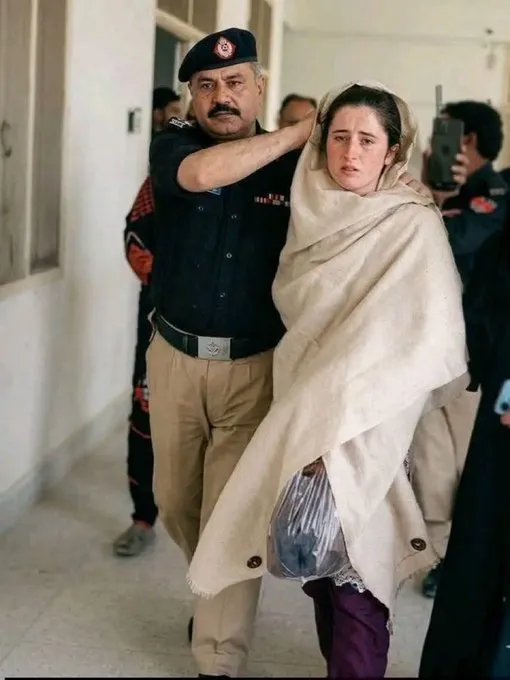
Two days ago in Peshawar’s historic Qissa Khwani Bazaar, a scene unfolded that has come to define the harsh contradictions of life in Pakistan. A starving widow picked up a single loaf of bread from a tandoor. She did not run. She did not hide. She simply had no other way to feed her three children, who had gone two days without food.
What followed was a snapshot of the country’s broken moral compass. The tandoor owner did not show compassion. He beat her and handed her over to the police, who treated her as a criminal rather than a mother in distress. The marks of the assault were still visible when she appeared in court.
Standing before the judge, she broke down. “My name is Gul Bano. My husband died in an accident. I have three orphaned children. We have no breadwinner at home,” she said, sobbing as she explained why she took the loaf.
The judge’s response stood in sharp contrast to the cruelty she had endured. He ordered the immediate arrest of the tandoor owner, sentencing him to two years in prison and imposing a fine. He also transferred the police officer involved and directed the Deputy Commissioner of Peshawar to ensure that the state covers the woman’s expenses.
The case has sparked debate across Pakistan, not only because of the judge’s rare intervention, but because it exposes a deeper truth: in a country where inflation is crushing households and millions struggle to afford basic food, the poor are punished for their hunger while the system that fails them remains untouched.
For many, Gul Bano’s story is not an isolated tragedy but a reflection of a state that has normalised hardship and criminalised survival.