 News Desk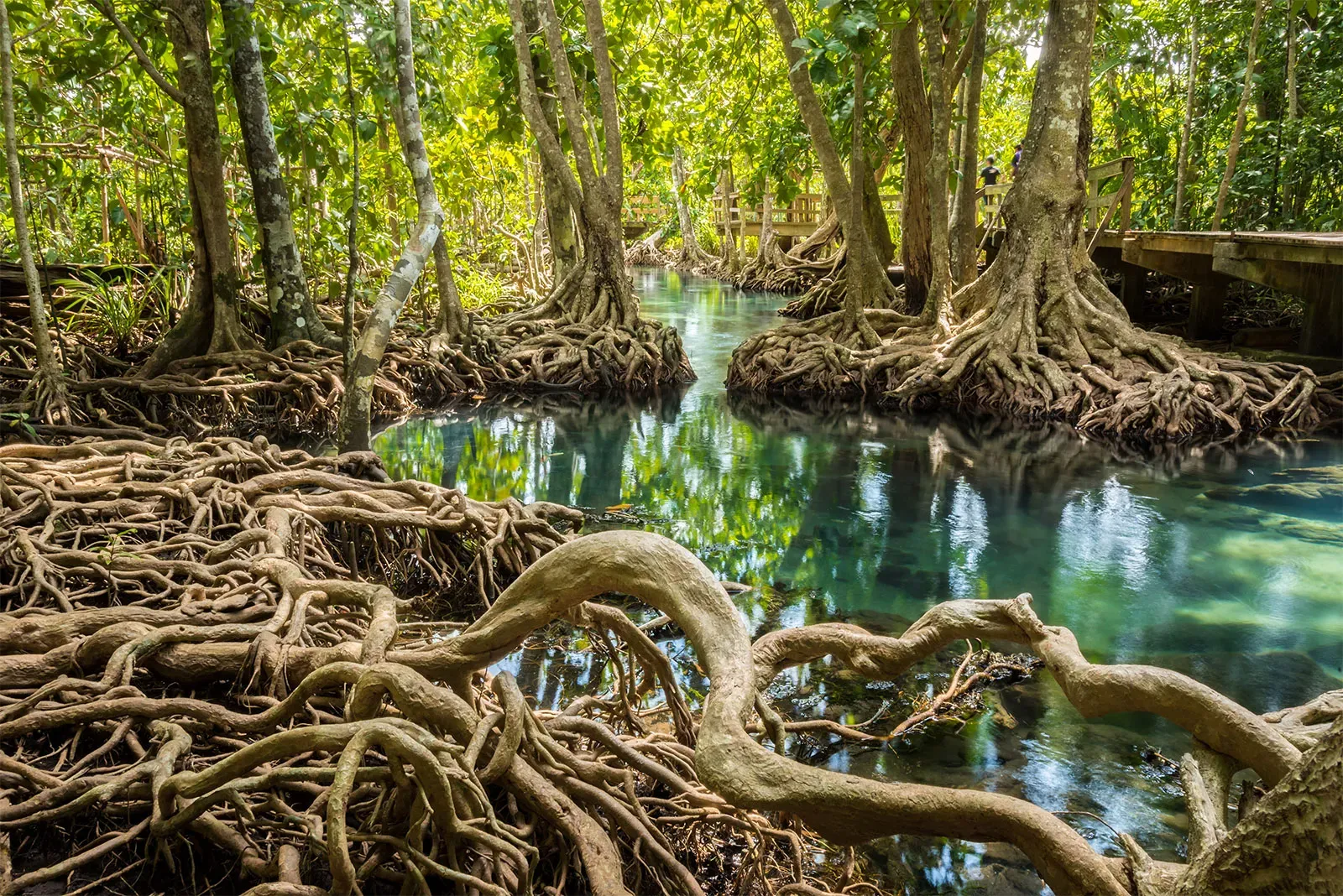
GUNERI, Kutch — In the arid landscapes of Kutch, a rare inland mangrove forest stands apart from conventional coastal ecosystems. Unlike typical mangroves that rely on tidal waters, the Guneri mangrove ecosystem thrives without them, rooted in flat terrain far from the sea. Recognizing its ecological significance, the Gujarat Biodiversity Board has officially designated Guneri as the state’s first Biodiversity Heritage Site.
Spanning 32.78 hectares, this unique ecosystem lies 45 kilometers from the Arabian Sea and 4 kilometers from Kori Creek. Unlike its coastal counterparts, Guneri’s mangroves flourish without the muddy, swampy conditions that typically define such forests. This makes it one of the most unusual mangrove habitats in India.
Mangroves are among the most effective natural carbon sinks, capturing vast amounts of carbon dioxide from the atmosphere. India’s 4,991.68 square kilometers of mangrove cover plays a critical role in climate mitigation, storing an estimated 1,023 tonnes of carbon per hectare. Their ability to trap carbon both in their biomass and deep-rooted soil makes them indispensable in the fight against climate change.
The Gujarat government’s conservation efforts will focus on protecting biodiversity, monitoring ecological changes, and engaging local communities through training programs that empower them as stewards of the land.
India has long recognized the ecological and economic value of mangroves, implementing several national initiatives to conserve them:
- Central Sector Scheme: Aims to protect and restore mangrove forests under the National Coastal Mission Programme.
- Coastal Regulation Zone (CRZ) Notification: Provides legal protections for coastal ecosystems, including mangroves.
- Wildlife Protection Act, 1972: Safeguards mangrove habitats under legal frameworks.
- MISHTI (Mangrove Initiative for Shoreline Habitats & Tangible Incomes): Launched in 2023, this program focuses on restoring 540 square kilometers of mangroves across nine states and three union territories over five years.
- Community-Led Conservation: Training programs for forest officials and indigenous communities ensure local participation in protecting these vital ecosystems.
Guneri’s designation as a Biodiversity Heritage Site not only preserves a rare mangrove ecosystem but also strengthens India’s commitment to environmental conservation. As climate change accelerates, protecting such unique landscapes becomes more critical than ever.
This article includes information from publicly available sources and government reports.