News Desk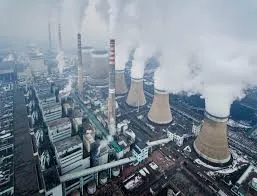
China’s energy policy in 2024 has presented a paradox that has left analysts and environmentalists divided. While the country has made record-breaking strides in renewable energy, adding an unprecedented 356 gigawatts of wind and solar capacity—far exceeding the European Union’s annual additions—it has also ramped up coal power at an alarming rate. Nearly 95 gigawatts of new coal-fired power capacity was initiated in 2024, with more than 66 gigawatts receiving official approval. These contradictory developments raise an urgent question: Is Beijing employing double standards in its approach to energy and climate commitments?
China’s climate pledges, including its commitment to peak carbon emissions before 2030 and achieve carbon neutrality by 2060, have positioned it as a global leader in the renewable transition. However, the continued expansion of coal suggests a deep-seated reluctance to phase out the fossil fuel that still accounts for roughly 60 percent of its electricity generation. According to a report by the Centre for Research on Energy and Clean Air (Crea) and Global Energy Monitor (Gem), more than 75 percent of new coal capacity approvals in 2024 were backed by coal mining companies and energy firms with vested interests in fossil fuel production. This underscores the powerful economic and political forces sustaining coal’s grip on China’s energy system.
But the rationale behind China’s coal surge extends beyond corporate interests. Beijing frames its coal expansion as a necessary hedge against energy security risks. With growing electricity demand and fears of power shortages—exacerbated by extreme weather events, geopolitical tensions, and economic uncertainty—China’s policymakers argue that keeping coal in the energy mix ensures stability. The government insists that its record investment in renewables offsets the risks of an aging fossil fuel-dependent grid. In practice, however, China’s strategy appears less about replacing coal and more about layering clean energy on top of an entrenched fossil fuel infrastructure.
This approach carries significant environmental consequences. The Crea-Gem report warns that the expansion of coal could lock in high carbon emissions for decades, undermining China’s ability to meet its climate targets. The “lock-in effect” means that once new coal plants are built, they must run at high capacity to be economically viable, creating a self-reinforcing cycle that makes it harder for renewables to fully displace fossil fuels. Power Magazine’s analysis further highlights that despite the explosive growth in renewables, coal remains the dominant energy source in China’s power generation landscape. Unlike in Europe and the U.S., where aging coal plants are being retired, China is actively expanding its fleet.
Internationally, China’s energy strategy sends conflicting messages. On one hand, its aggressive push for renewable energy bolsters its reputation as a green technology leader, with implications for global climate negotiations. On the other, its continued reliance on coal raises doubts about its ability to deliver on its promises to curb emissions. Critics argue that China’s coal expansion undermines the very climate goals it publicly champions, fueling accusations of double standards.
Yet, as China navigates its complex energy transition, the question may not be one of hypocrisy but of pragmatism. The country faces an intricate balancing act: ensuring economic stability and energy security while accelerating decarbonization. Whether this strategy ultimately advances or hinders global climate efforts will depend on how quickly China can pivot from its current trajectory. For now, its simultaneous investment in both clean energy and coal leaves the world watching, uncertain of which path will ultimately prevail.
Coal Continues to Lead China’s Record Levels of Power Generation
China’s coal surge challenges climate pledges, green investment: Study