News Desk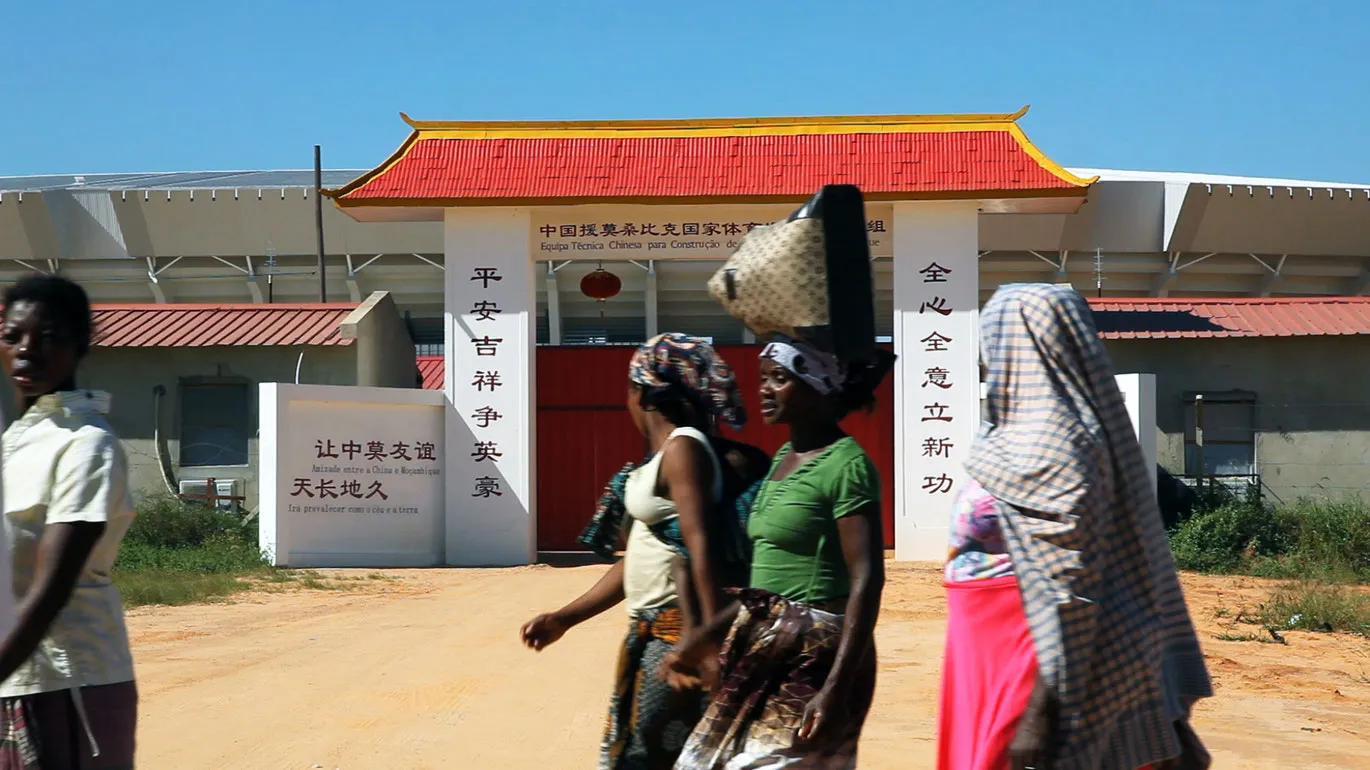
Ella Raidel’s 2011 documentary SUBVERSES – China in Mozambique opens with a striking scene: a Chinese businessman stands on a terrace overlooking Maputo, speaking on his mobile phone. His back is turned to the camera, his identity concealed, yet his words carry the unmistakable confidence of a colonist. He boasts about the city’s beauty, the view that stretches before him—a symbolic stance that sets the film’s tone. SUBVERSES explores the enduring legacy of colonialism in Africa, now intertwined with China’s growing economic influence. Backed by European banks, Chinese firms are rapidly reshaping Mozambique’s infrastructure, operating with an unapologetically capitalist approach—profit-driven, expansive, and unrestrained.
Mozambique, a coastal nation rich in natural resources, has become a significant focal point in China’s African strategy. The relationship is anchored by infrastructure projects, cultural influence, and, perhaps more controversially, the lucrative trade in rosewood. As Beijing continues its quest for global economic and geopolitical dominance, Mozambique’s ports, forests, and airwaves are being steadily drawn into China’s orbit.
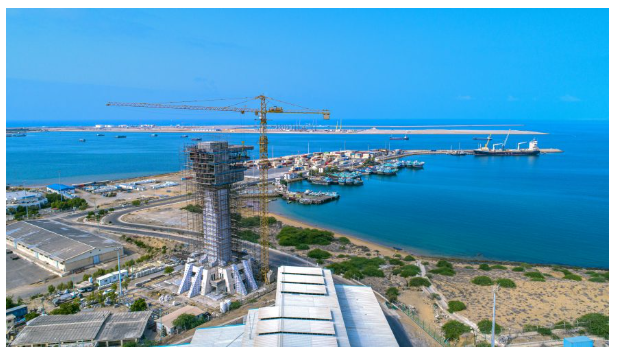
The ports of Nacala and Beira stand as prominent symbols of China’s deepening presence in Mozambique. At Nacala, a $230 million investment transforms what was once a sleepy harbor into a critical node for regional and international trade. The deep-water port is poised to handle everything from mineral exports to agricultural goods, feeding into China’s Belt and Road Initiative.
Beira, a bustling fishing port supported by $133 million of Chinese funding, extends China’s reach into the Indian Ocean’s lucrative fisheries. Officially, these ports serve Mozambique’s economic growth. Unofficially, they solidify China’s foothold along vital maritime routes. The projects are not just commercial ventures but strategic assets, tethering Mozambique to Beijing’s global trade ambitions.
China’s influence in Mozambique, as reports by Aid Data, extends far beyond docks and harbors. Chinese media companies, most notably StarTimes, have embedded themselves into the nation’s cultural and informational infrastructure. StarTimes’ role in modernizing Mozambique’s digital television and state broadcasting systems has endeared it to local elites, who benefit from upgraded technology and streamlined services.
But the arrangement is not without its subtleties. State-run media outlets now mirror Chinese narratives, offering glowing portrayals of bilateral cooperation. The relationship is framed as a partnership of equals, sidestepping the more critical views common in Western analyses of Chinese influence. Mozambique’s citizens may not realize that the content they consume is curated to emphasize Beijing’s benevolence.
This soft power strategy, long employed in Africa, ensures that China’s investments are met with widespread approval, at least among the ruling classes.
Beneath the polished sheen of infrastructure and media projects lies a more extractive facet of China’s relationship with Mozambique: the trade in rosewood. Known locally as “mondzo,” rosewood is a highly sought-after hardwood used in Chinese furniture-making. The demand has fueled a booming but controversial trade, with Mozambican forests bearing the brunt of the extraction.
Rosewood’s allure lies in its deep, rich hue and durability. In China, the wood is a status symbol, adorning homes and offices as intricate chairs, tables, and cabinets. Yet the environmental cost is staggering. Mozambique’s forests are being depleted at alarming rates, often in ways that bypass regulatory oversight.
Reports suggest that Chinese buyers often work with local intermediaries to evade restrictions, paying hefty sums for illegally harvested rosewood. The lucrative trade has drawn criticism from environmental groups, which warn of irreversible ecological damage. For rural Mozambicans, however, the trade offers one of the few viable sources of income, creating a paradox where economic desperation fuels environmental degradation.
For Mozambique, the benefits of Chinese investment are undeniable. Ports are being revitalized, jobs created, and media modernized. The nation is becoming a key player in regional trade, with China as its most influential partner. Yet beneath the surface lies a more complex story.
China’s investments, while substantial, often come with opaque terms. The risk of debt dependency looms large, with Mozambique potentially ceding control over critical infrastructure should it default on loans. The rosewood trade, too, reveals a darker side to the partnership, one where local resources are extracted for foreign luxury markets, leaving environmental and social scars behind.
China’s growing role in Mozambique mirrors its broader strategy across Africa: a blend of hard infrastructure, soft power, and resource extraction. For Beijing, Mozambique offers a gateway to the Indian Ocean and a treasure trove of untapped resources. For Maputo, the partnership is a double-edged sword; an opportunity for growth shadowed by the risks of dependency.
As Mozambique’s forests are felled and its ports expanded, airwaves filled, the question remains: will this partnership truly serve the interests of its people, or will it cement a new era of foreign influence? In the delicate dance between development and sovereignty, the stakes for Mozambique, and its rosewood forests, could not be higher.