News Desk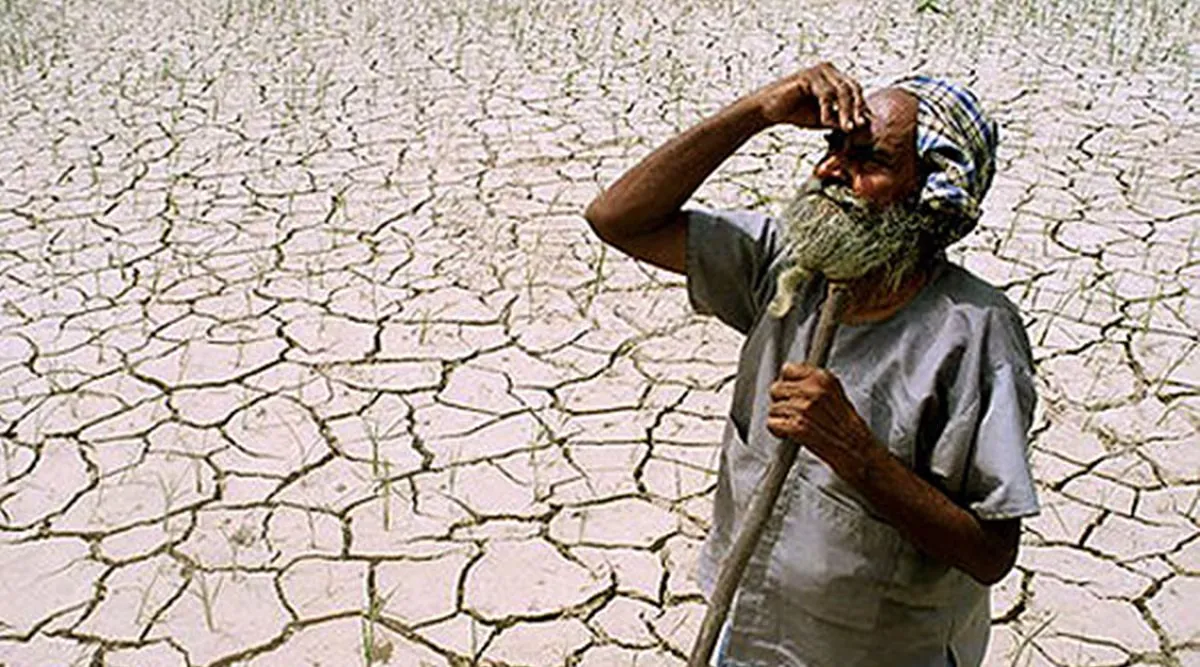
China’s latest engineering obsession—a colossal hydropower dam on the Yarlung Tsangpo River in Tibet—sounds like something out of a sci-fi novel. Approved in December 2024, this beast is set to dwarf the Three Gorges Dam, pumping out 60 gigawatts of power and cementing Beijing’s bragging rights as the king of mega-infrastructure. But as the cranes roll into the Tibetan Plateau, the world’s “Third Pole,” the cracks in this grand vision are already showing. This isn’t just a dam—it’s a Pandora’s box of environmental havoc, and China seems fine letting the region pay the price.
Let’s start with the basics: the Yarlung Tsangpo isn’t some obscure trickle. It’s a lifeline that becomes the Brahmaputra, feeding India and Bangladesh with water, fish, and fertile silt. Build a wall across it, and you don’t just trap water—you choke an ecosystem.
Fish can’t migrate, riverbeds dry out, and the sediment that keeps downstream farms alive gets stuck behind concrete. Assam’s rice paddies and Bangladesh’s delta could turn into dustbowls, all while China pats itself on the back for “green energy.”
It’s a classic Beijing move: solve one problem, coal emissions, by creating five worse ones.
Then there’s the location. The Tibetan Plateau isn’t exactly a stable slab of rock. It’s a seismic hot zone where tectonic plates slug it out, and earthquakes aren’t a question of if but when. Just last month, a 6.8-magnitude quake rattled Tibet, cracking smaller dams.
Now imagine 60 gigawatts’ worth of water sitting in a reservoir there. One big tremor, and you’ve got a wall of death racing down the canyon. Landslides, already a headache in the steep Yarlung Tsangpo Grand Canyon, will only get worse with all the digging; 20-kilometer tunnels don’t carve themselves. This isn’t engineering brilliance; it’s a gamble with a loaded gun.
The plateau itself, a climate linchpin with its glaciers and permafrost, can’t handle this either. Flood a valley for the reservoir, and you drown forests and grasslands that store carbon. Mess with the river’s flow, and you risk screwing up the monsoon that 1.8 billion people rely on.
China says this dam will help it hit carbon neutrality by 2060, but if it melts glaciers faster or tanks the region’s rainfall, those gains evaporate. It’s like mopping the floor during a flood—pointless and blind to the bigger mess.
Downstream, India and Bangladesh are understandably twitchy. China’s track record on sharing river data is abysmal—just ask Assam, where surprise floods have wrecked lives while Beijing stayed mum.
With this dam, China could turn the tap on or off at will, holding water hostage in dry seasons or unleashing deluges when it suits them. Wetlands like Kaziranga, home to rhinos and tigers, could wither or wash away. It’s not just nature at stake; it’s food, water, and survival for millions. And yet, China hasn’t bothered to consult its neighbors. Why would it? Transparency’s never been its strong suit.
Closer to home, Tibetans are watching their land get chewed up. The reservoir will swallow valleys rich with rare species and sacred sites—think monasteries older than the Forbidden City. Add in the pollution from industries lured by cheap power, and you’ve got a recipe for trashing one of the planet’s last wild places. For a government that’s already bulldozed Tibetan culture under “development,” this feels like another middle finger to the locals.
China’s pitching this as a climate win, a hydropower crown jewel. But the costs—ecological collapse, seismic roulette, regional instability—look more like a nightmare than a triumph. The world’s biggest dam might just leave the world’s biggest scar.
Beijing could still hit pause, rethink, maybe even talk to the people who’ll drown in its shadow. But don’t hold your breath. This is China in 2025: full speed ahead, consequences be damned.
This feature is written based on the available data on the dam and its effects as discussed by environmentalists.