News Desk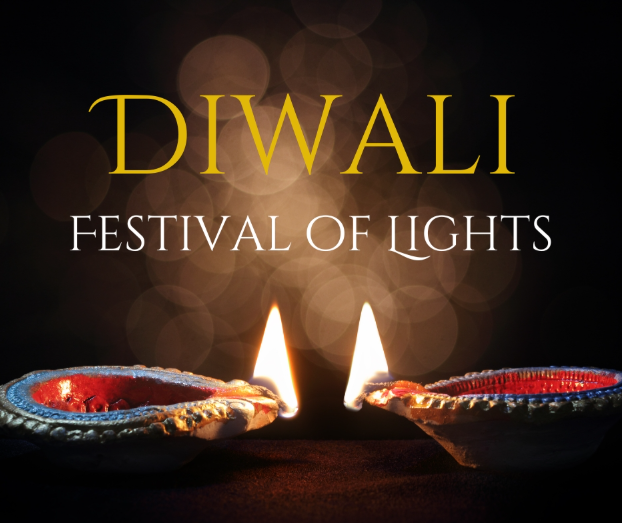
In the Mughal court of Akbar, the night sky once shimmered with bursts of fire. Rockets streaked upward, sparklers hissed, and courtiers gasped as the emperor commissioned displays that turned celebration into spectacle. Miniature paintings from the era capture those moments: lamps glowing in courtyards, fireworks exploding above marble palaces, a festival of light elevated into imperial grandeur.
Centuries later, that same festival — Deepavali, or Diwali — has been inscribed on UNESCO’s list of Intangible Cultural Heritage. On Wednesday, the Ministry of External Affairs called it a joyous moment for India, noting that the festival, celebrated across the world, marks the triumph of good over evil and the return of Lord Rama to Ayodhya.
UNESCO’s description emphasizes its breadth. Deepavali is not only a religious occasion, but a cultural rhythm tied to the lunar calendar, falling on the new moon in October or November. It lasts several days, a season when homes are scrubbed clean, courtyards glow with lamps, families gather to share sweets, and prayers are offered for prosperity and renewal.
The story of Deepavali stretches back to Sanskrit texts, where the diya — the small clay lamp — symbolized hope and renewal. Over time, the festival became entwined with harvest cycles, marking the end of one season and the beginning of another. By the medieval period, it had grown into a spectacle of light and sound. Akbar encouraged lamps across his empire, seeing them as a celebration of harmony. His successors, Jahangir and Shah Jahan, expanded the tradition with fireworks, embedding pyrotechnics into the cultural fabric of the subcontinent.
The crackle of firecrackers, now inseparable from Diwali nights, arrived through gunpowder technology that travelled from China to India in the 14th century. First used in warfare, it quickly found its way into royal festivities. By the 16th and 17th centuries, fireworks had become part of courtly life, with emperors commissioning elaborate displays to mark weddings and festivals. What began in palaces trickled down to towns, eventually becoming a popular feature of Diwali celebrations.
Colonial India added another chapter. Organized fireworks factories appeared in Calcutta in the 19th century, and later in Sivakasi, Tamil Nadu, which remains the hub of India’s firecracker industry today. Imported pyrotechnics evolved into a uniquely Indian craft, with artisans producing sparklers, rockets, and aerial shells. In recent years, scientists have introduced “green crackers,” designed to reduce pollution while preserving the spectacle.
With UNESCO’s inscription, Deepavali joins Durga Puja, Garba, and the Kumbh Mela as traditions recognized for their cultural significance. It is the sixteenth element from India to be honoured, underscoring the country’s vast tapestry of living heritage.
For millions, the festival is more than ritual. It is a moment of collective joy, when neighbourhoods glow, children race with sparklers, and elders tell stories of Rama’s return. As Union Culture Minister Gajendra Singh Shekhawat noted, Deepavali is “deeply emotional, felt and lived across generations.” Safeguarding it means ensuring that artisans, potters, and craftspeople who keep the traditions alive continue to thrive.
In the end, Deepavali’s inscription is not just about lamps or fireworks. It is about a civilizational rhythm that has endured for centuries, a festival that continues to reinvent itself while holding fast to its core message: from darkness to light, from despair to renewal.