 News Desk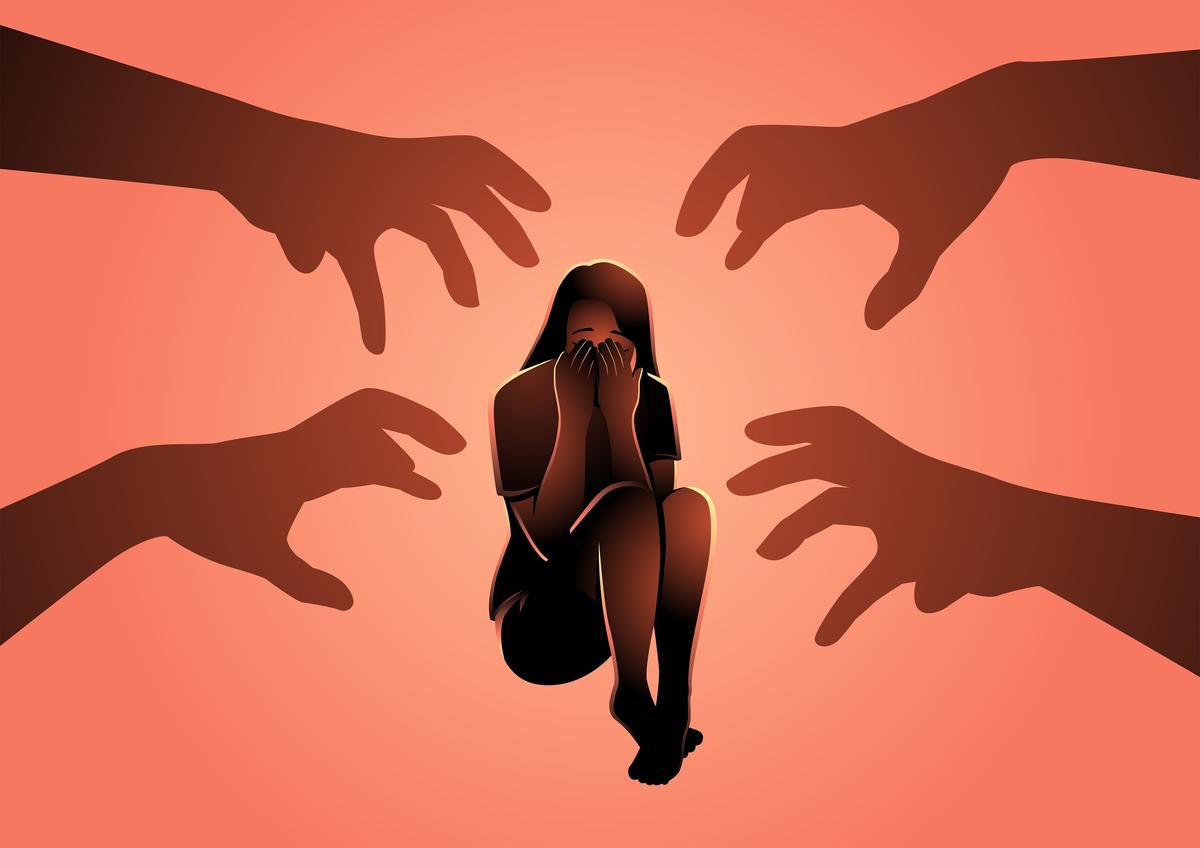
FAISALABAD, Pakistan — The arrest of a third suspect on Sunday in the gang rape of a married woman during a robbery near the M-4 motorway bridge on Jhang Road has cast a stark spotlight on Pakistan’s persistent struggle with sexual violence. This assault has reignited national outrage over the safety of women in a country where rape cases continue to surge, even during the holy month of Ramadan.
According to the First Information Report (FIR) filed by the victim’s husband, Adnan Maseeh, the couple was traveling to their village, Chak 62 JB Chanakay, when two armed men intercepted them. The assailants tied Mr. Maseeh to a tree with a rope and, joined by a third accomplice, gang-raped his wife, a sweeper at a University of Agriculture hostel, in a nearby sugarcane field. The suspects also stole cash and phones before fleeing. Faisalabad’s Sandalbar police, acting swiftly, arrested two suspects and apprehended the third on Sunday. All three have been sent to jail on judicial remand for an identification parade, a city police spokesperson said.
City Police Officer Sahibzada Bilal Umar lauded the police team’s efforts, while Punjab Chief Minister Maryam Nawaz, taking swift notice of the case, dispatched Inspector General of Police Dr. Usman Anwar to the victim’s home with assurances of justice. Hina Parvez Butt, chairperson of the Punjab Women Protection Authority, also visited Faisalabad to meet with the victim, underscoring the government’s commitment to addressing such crimes. Yet, for many in Pakistan, these high-profile responses ring hollow against a backdrop of systemic failures.
The Faisalabad assault is not an isolated incident. Sexual violence has marred the sanctity of Ramadan, a month of fasting and reflection for Muslims worldwide, which began on March 1 and ended today in Pakistan. While comprehensive statistics for March 2025 are not yet available, the Faisalabad case is one of at least two reported gang rapes this month, according to local media and police reports. Earlier in March, another woman was allegedly gang-raped in Lahore, with three suspects arrested within hours, though a fourth remains at large. These incidents suggest that even during a period of heightened religious observance, the threat to women persists unabated.
Pakistan’s rape crisis is a deeply entrenched issue, with the country reporting thousands of cases annually, though activists say the true number is far higher due to underreporting driven by stigma and fear. In 2024 alone, Karachi recorded 152 sexual assault cases, including 25 gang rapes, according to a January 2025 report by ANI News. Faisalabad, an industrial hub in Punjab, has seen a troubling pattern of such crimes, often linked to robberies, as evidenced by similar assaults in August 2024 and September 2020. The War Against Rape, a Pakistani NGO, has long documented the severity of the problem, noting police indifference and a culture that often shields perpetrators.
The pervasiveness of this violence has prompted stark warnings from public figures. Areej Chaudhry, a former Miss Pakistan, model, and actress, recently declared Pakistan “an unsafe country” for women on the FHM podcast. Ms. Chaudhry, who has formal training in firearms, revealed that she carries a licensed weapon in her car and purse for self-defense, citing an incident where she thwarted an alleged abduction attempt. “Every day, something happens to women here,” she said, urging girls to arm themselves and learn to shoot. “Many helpless girls work late to support their families and don’t even have safe transport home. They need to take steps for their own protection.”
Her remarks have sparked debate, with some dismissing the notion that arming women could curb violence, arguing it might lead to misuse. Ms. Chaudhry countered that the decision to use a weapon depends on individual judgment, not gender stereotypes. Her call to action reflects a growing despair among Pakistani women who feel abandoned by a justice system where conviction rates for rape hover below 3 percent, despite tougher laws enacted in 2016 and 2020.
Sunday’s events in Faisalabad were overshadowed by other violent incidents, highlighting a broader climate of lawlessness. In Chak 302 GB, Bhatti Wala, a man and his eight-month-old nephew were killed when a youth, Liaqat Ali, allegedly opened fire on their home, according to Chuttiana police. In a separate case, Thikriwala police reported that Shahid Ali Heera, a murder and robbery suspect freed by accomplices from custody two days prior, was killed by his own associates during a shootout with police. Mr. Heera was linked to the killing of a rickshaw driver and the death of an 18-month-old child he allegedly threw into a manhole after a failed ransom demand. Elsewhere, a government contractor, Waris Ali, 55, died in a motorcycle accident on Faisalabad-Sahiwal Road.
These incidents, occurring on the same day as the third suspect’s arrest, paint a grim picture of a society grappling with crime on multiple fronts. For women like the Faisalabad victim, the promise of justice offers little solace in a nation where, as Ms. Chaudhry put it, “there is no safe space.” As Ramadan draws to a close, the question remains: Will Pakistan confront its rape epidemic with more than arrests and assurances, or will the cycle of violence endure?