 News Desk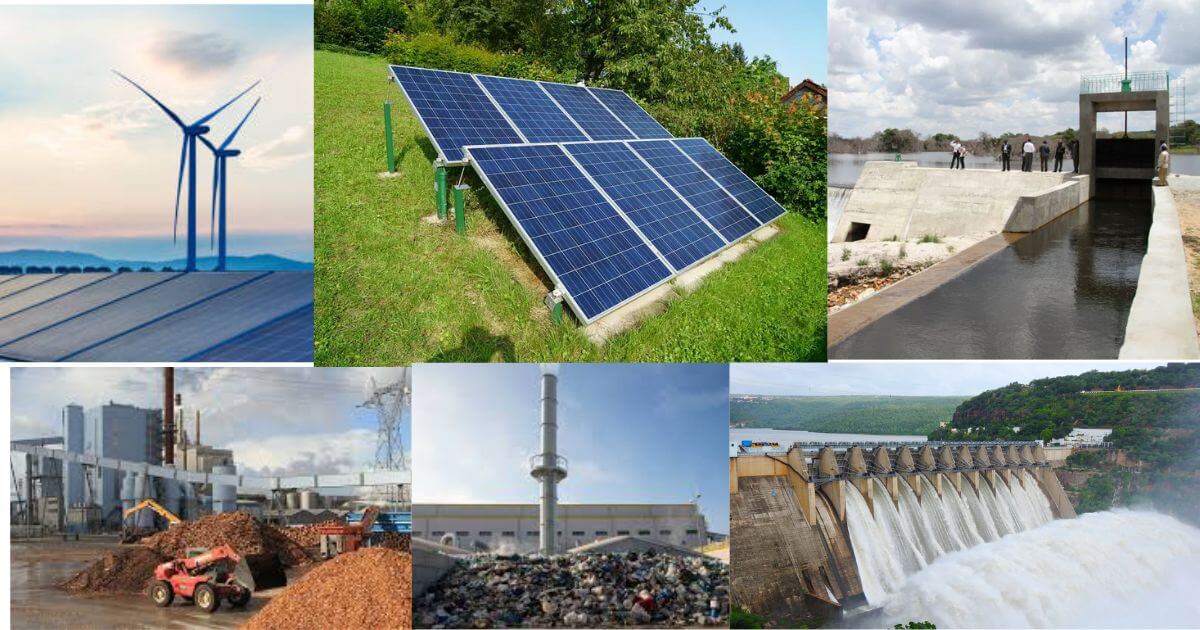
In February 2025, India hosted the much-anticipated India Energy Week (IEW) at the Yashobhoomi Convention Centre in New Delhi, drawing global attention to the country’s accelerating clean energy transition. Organized by the Ministry of Petroleum and Natural Gas in collaboration with the Federation of Indian Petroleum Industry (FIPI), the event has rapidly cemented its position as one of the world’s premier energy conferences, providing a stage for crucial policy discussions, strategic partnerships, and ambitious investment commitments.
One of the most significant takeaways from IEW 2025 was India’s push to diversify its energy portfolio and strengthen supply security. Bharat Petroleum Corporation Limited (BPCL) signed an optional term contract with Brazil’s Petrobras to import up to six million barrels of crude oil during the 2025-26 period. This agreement not only reinforces India’s longstanding efforts to reduce dependence on a few key suppliers but also signals a broader strategic shift towards cultivating energy ties with emerging producers.
Domestically, India’s largest power producer, NTPC, unveiled an ambitious investment plan exceeding $23 billion in renewable energy projects in Madhya Pradesh. The commitment includes developing up to 20 gigawatts of renewable energy capacity and an 800-megawatt pumped hydroelectric storage project—investments that underscore India’s aggressive expansion into clean energy. The scale of these projects highlights the government’s recognition that energy transition is not just an environmental necessity but a cornerstone of economic resilience.
India’s energy initiatives have not gone unnoticed on the international stage. Ed Miliband, the United Kingdom’s Secretary of State for Energy Security and Net Zero, described India as the “world’s inspiration” in clean energy, acknowledging its leadership in renewable deployment and innovation. The praise from a key figure in global climate policy reflects how India’s efforts are shaping international discourse on sustainable development and energy security.
India Energy Week 2025 served as a powerful reminder of the country’s evolving role in the global energy landscape. From forging strategic oil deals to spearheading multi-billion-dollar clean energy projects, India is positioning itself as both a leader and a key partner in the future of energy. The event also reinforced India’s ambition to transition into a renewable energy powerhouse, aligning with its long-term target of net-zero emissions by 2070.
While challenges remain—ranging from the intermittency of renewable sources to the need for advanced energy storage solutions—India is leveraging both policy and investment to drive a sustainable energy revolution. As global energy dynamics shift, India’s ability to balance economic growth with environmental responsibility will not only define its own trajectory but also influence the future of clean energy worldwide.