News Desk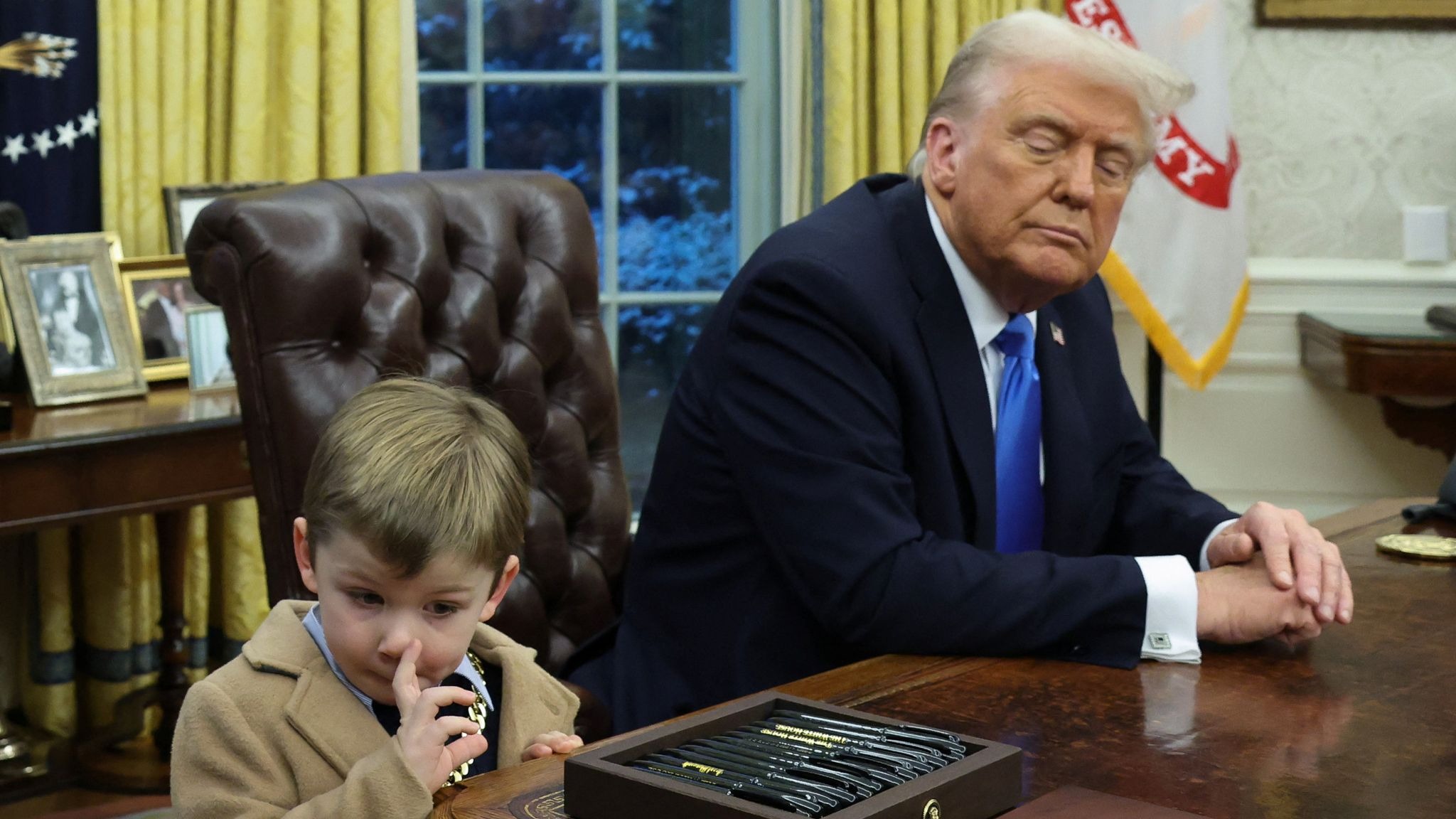
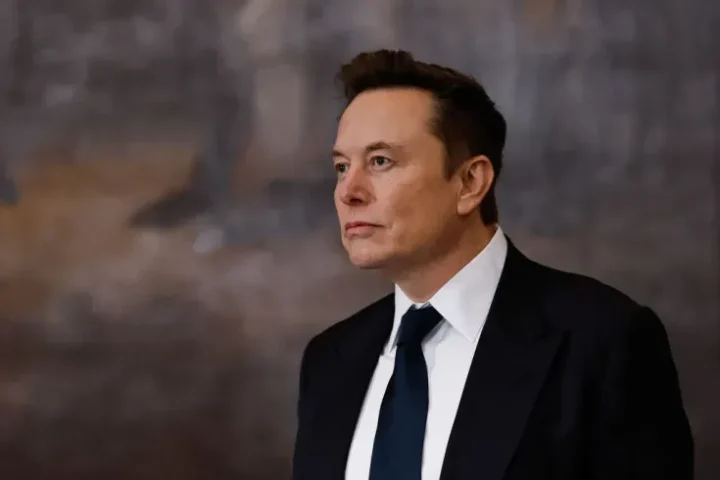
In a high-profile appearance, Elon Musk has once again stirred controversy. The tech billionaire, who regularly critiques “unelected bureaucrats” in the U.S. government, stands accused of hypocrisy as he himself operates from an unelected position of immense power.
Musk, the man behind Tesla and SpaceX, has made no secret of his influence in the corridors of power—none more evident than his role in the Trump administration, despite never holding an elected office.
The latest criticism comes in the wake of Musk’s remarks about government bureaucracy, where he painted a picture of inefficiency. But while he decries unelected officials, Musk himself is effectively a government contractor with billions of dollars in contracts from the very bureaucracy he claims to despise. SpaceX’s lucrative deals with the U.S. government have led to questions about potential conflicts of interest.
Musk responded to these concerns with a declaration of transparency. “It’s not like I think I can get away with something—I’ll be scrutinized non-stop,” he said. However, his claims of openness are undercut by an incident at a recent event where the Associated Press was barred from attending. The news agency refused to comply with Trump’s demand to rename the Gulf of Mexico as the Gulf of America, drawing questions about Musk’s commitment to transparency when media freedom is at stake.
The tension between Musk and the Trump administration is also on display in their interactions. After Musk’s remarks, it was Trump’s turn to take the stage, and he wasted no time praising Musk’s work. But as Trump launched into a tirade against judges blocking his plans, the two men’s egos clashed. A question looms: How can the Oval Office, often seen as a seat of leadership, contain two larger-than-life figures vying for control?
Musk’s clout extends beyond the Oval Office—his status as the largest single donor to Trump’s campaign, contributing over $250 million, further ties him to the power structure. However, Musk’s ambitions don’t stop at monetary influence. With his team of engineers driving a brutal efficiency program, he’s become a key figure shaping policies, all while cloaked in a veil of “transparency.”
For all of Musk’s claims of being transparent and working in the public’s best interest, it’s hard to ignore the contradictions. The man who rails against government bureaucracy is itself at the center of a government structure that depends on his influence—reminding us that transparency, like power, is often a matter of perspective.