News Desk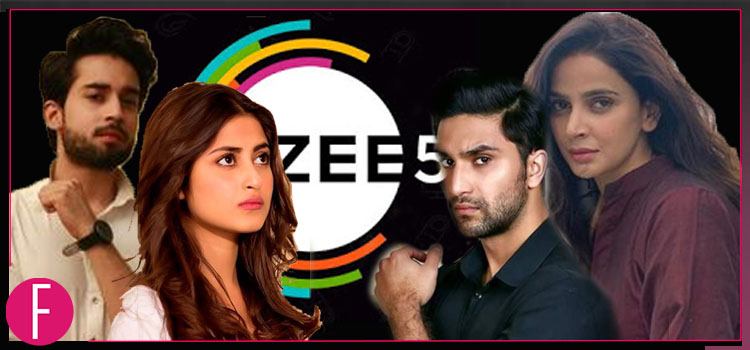
ISLAMABAD, Pakistan — In living rooms across India, a quiet cultural invasion is underway. Pakistani television dramas, once confined to grainy broadcasts or smuggled cassettes, are captivating Indian viewers with their relatable tales of love, family and societal struggles. These shows, airing on platforms like YouTube and ZEE5, are surging in popularity, offering a fresh alternative to the sprawling Indian soap operas that can stretch across hundreds of episodes. Meanwhile, Korean pop dramas and Turkish series are also vying for Indian hearts, creating a vibrant tapestry of foreign storytelling that’s reshaping entertainment preferences.
The appeal of Pakistani dramas lies in their simplicity and authenticity. Shows like Humsafar and Zindagi Gulzar Hai, which gained fame in India through the now-defunct Zindagi TV channel, wrap up in 20 to 30 episodes, delivering tight, emotional narratives that resonate deeply. “They feel familiar, yet different,” said Kaveri Sharma, a writer from Patna, in an interview with The Associated Press earlier this year. “I see Karachi and think it could be Lucknow or Patna.” This cultural proximity—shared languages, traditions and everyday struggles—makes Pakistani dramas a window into a neighbor ever visited due to decades of political tension.
Indian media has taken note. India Today reported last November that even Gen Z viewers are hooked, with reels of Humsafar racking up thousands of likes on Instagram. The magazine highlighted how stars like Fawad Khan, who crossed over to Bollywood, have fueled this fandom. A 2021 piece in The Siasat Daily pointed to the realism of Pakistani shows—middle-class homes instead of mansions, no over-the-top musical interludes—as a key draw. “They deal with real issues, like mental health or surrogacy, without dragging on,” said Sakina Fatima, a Hyderabad-based journalist, echoing a sentiment widely shared among fans.
Yet, it’s not just Pakistan making waves. Korean dramas, or K-dramas, have exploded in India, with Netflix reporting a 370 percent jump in viewership last year, per a 2023 Mint article. Hits like Crash Landing on You offer glossy production and compact storytelling—often 16 episodes—packed with romance and stunning visuals. “The soundtracks pull you in,” Esha Nair, a 26-year-old Delhi lawyer, told Medium last year, explaining how K-dramas blend escapism with emotional depth.
Turkish dramas, too, are carving a niche. Series like Ertugrul and The Protector have tripled viewership on Indian streaming platforms, according to a 2022 Mint report. “They’re dramatic but layered,” said Mitesh Kothari of White Rivers Media, likening their emotional pull to Indian sensibilities. Elle India noted in 2022 that Turkish shows, with their henna-laden weddings and tea-sipping characters, feel culturally akin yet refreshingly distinct.
Why this surge? For one, Indian audiences are tiring of the endless churn of domestic soaps. “If you stretch characters to 1,000 episodes, you get bored,” Fawad Khan told The Indian Express in 2014, contrasting Pakistani miniseries with India’s marathon formats.
The wildly popular Pakistani drama Meem Se Mohabbat, starring Dananeer Mobeen and Ahad Raza Mir, is set to air its final episode on April 10, 2025, wrapping up a captivating run that has kept fans on the edge of their seats. Already a massive hit, started last October, the show is trending across social media platforms, with fans buzzing about the electric chemistry between Dananeer and Ahad, and the emotional rollercoaster penned by Farhat Ishtiaq. From YouTube to Instagram, Meem Se Mohabbat has sparked a frenzy, with posts on X noting its record-breaking views—like 1.3 million in just 35 minutes for a recent episode—and heartfelt pleas for a happy ending as the finale approaches. Dananeer Mobeen, already a social media darling from her “Pawri Ho Rahi Hai” days, has cemented her stardom with this role, making the drama a cross-border sensation, especially in India.
Digital access has also leveled the playing field—YouTube and OTT platforms bypass the bans that once halted Pakistani content post-2016 Uri attack, as India Today recalled. K-dramas and Turkish shows, dubbed in Hindi, further ease language barriers, per Mint.
Still, it’s not all smooth sailing. Political baggage lingers—some Indian critics decry Pakistani shows as propaganda, while others see K-dramas as overhyped. Turkish dramas face occasional jabs for historical liberties. But for viewers like Anamika, a 26-year-old researcher from Hisar, it’s simpler: “Our cultures are similar. Our families are, too,” she told India Today. Data backs her up—a 2023 Statista survey found 29 percent of Indians recognize K-dramas’ broad appeal, a sign of global content’s growing foothold.
As of April 2025, this trend shows no signs of slowing. Pakistani dramas like Sunn Mere Dil, airing since October 2024, are trending, per Siasat. K-dramas and Turkish series continue their climb, fueled by word-of-mouth and social media buzz. For Indians, these shows aren’t just entertainment—they’re a bridge to worlds both near and far, proving stories can transcend borders where diplomacy falters.