News Desk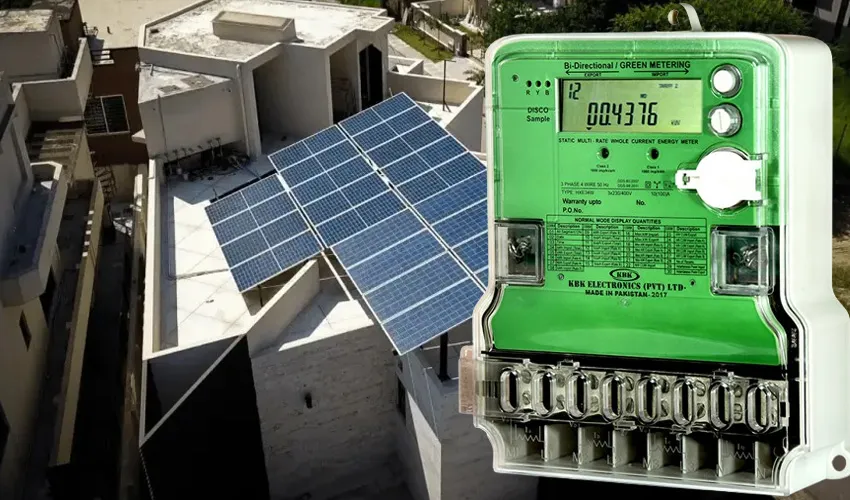
LAHORE, Pakistan — In a sun-scorched country where power outages are as common as dust storms, solar energy seemed like a rare glimmer of hope. For years, Pakistanis have turned to rooftop panels and net metering—a system that lets them offset their electricity bills by feeding surplus solar power back into the grid. It was a small but growing rebellion against a creaky, coal-dependent energy system and a government that often seems more adept at taxing its people than powering them. But now, that flicker of progress is under threat.
In a baffling twist, Pakistan’s Federal Tax Ombudsman (FTO) this week ordered power distribution companies, known as DISCOs, to slap an 18 percent sales tax on the full amount of electricity supplied to solar net metering users—gross, not net. That means no more deductions for the green energy they generate and share. The ruling, issued on Monday, also mandates income tax withholding on the same bloated total, brushing aside years of regulatory precedent from the National Electric Power Regulatory Authority (NEPRA) and the Alternative Energy Development Board (AEDB). The FTO’s logic? Fiscal laws trump green-energy optimism.
The decision has left solar users like Ahmed Raza, a 38-year-old shopkeeper in Faisalabad, reeling. “I installed solar panels to save money and do something good for the planet,” he said, standing beside a humming inverter in his cramped storefront. “Now they’re taxing me as if I’m buying every watt from the grid. It’s absurd—why punish us for trying to help?”
Absurd, indeed. Pakistan, a nation that routinely ranks among the world’s most vulnerable to climate change, is no stranger to contradictions. Its rivers swell with glacial melt, its cities choke on smog, and its leaders preach sustainability at global forums. Yet here, on the ground, a government desperate for revenue is kneecapping one of the few tools its citizens have to fight both blackouts and carbon emissions.
The FTO’s order stems from a complaint by a K-Electric customer in Karachi, who argued he was unfairly taxed while others enjoyed net metering perks under NEPRA’s 2015 framework. K-Electric, the country’s only private utility, has long charged sales and income taxes on gross electricity, a practice the FTO now wants replicated nationwide. The other 11 state-run DISCOs—names like FESCO, LESCO, and IESCO that roll off the tongue like a litany of bureaucratic woes—had largely ignored these tax rules. Until now.
The FTO’s report doesn’t mince words: tax evasion by DISCOs has been rampant, and the Sales Tax Act of 1990 offers no wiggle room for net metering adjustments. “This isn’t about fairness to solar users,” said Hina Anwar, an energy policy analyst in Islamabad. “It’s about plugging a fiscal hole. But the timing couldn’t be worse.”
Pakistan’s renewable energy ambitions are already a mixed bag. Solar and wind account for just 7 percent of its power mix, dwarfed by coal and gas. The government has pledged to reach 30 percent renewables by 2030, a target that looks increasingly quixotic as solar adopters face this new financial hit. Industry experts estimate that the 18 percent tax could raise costs for net metering households by 20 to 30 percent, enough to deter new installations and push existing users back to the grid.
“It’s a gut punch,” said Bilal Khan, who runs a solar installation firm in Lahore. “We were finally seeing traction—middle-class families, small businesses, even farmers going solar. Now they’re asking me if it’s still worth it. I don’t know what to tell them.”
The ruling’s ripple effects are already being felt. In Rawalpindi, a group of solar users protested outside the IESCO headquarters on Tuesday, brandishing bills they say will double overnight. Online, Pakistan’s vocal Twitterati have dubbed it “the solar tax scam,” with one user, @GreenPakistani, lamenting, “Govt says ‘go green,’ then taxes us for it. Classic bait-and-switch.”
Neither the Federal Board of Revenue (FBR), tasked with enforcing the directive, nor NEPRA, whose net metering guidelines were effectively shredded, has commented publicly. The silence is deafening—and telling. Pakistan’s energy sector is a labyrinth of competing interests: cash-strapped utilities, a tax-hungry state, and regulators caught in the crossfire. Consumers, as usual, are collateral damage.
For a country where per capita income hovers below $1,500 and electricity tariffs have soared 50 percent in two years, the irony is bitter. Solar net metering wasn’t just a lifeline for the eco-conscious; it was a pragmatic fix for a population tired of load-shedding and price gouging. Now, that fix comes with a catch—one that could stall Pakistan’s green dreams just as they were taking root.
As the FBR prepares to investigate DISCOs’ past noncompliance, the bigger question looms: Can Pakistan afford to discourage the very solutions it needs most? For Ahmed Raza and thousands like him, the answer is painfully clear. “They want our money,” he said, switching off his solar-powered lights with a sigh. “But they’re turning off our future, too.”