 News Desk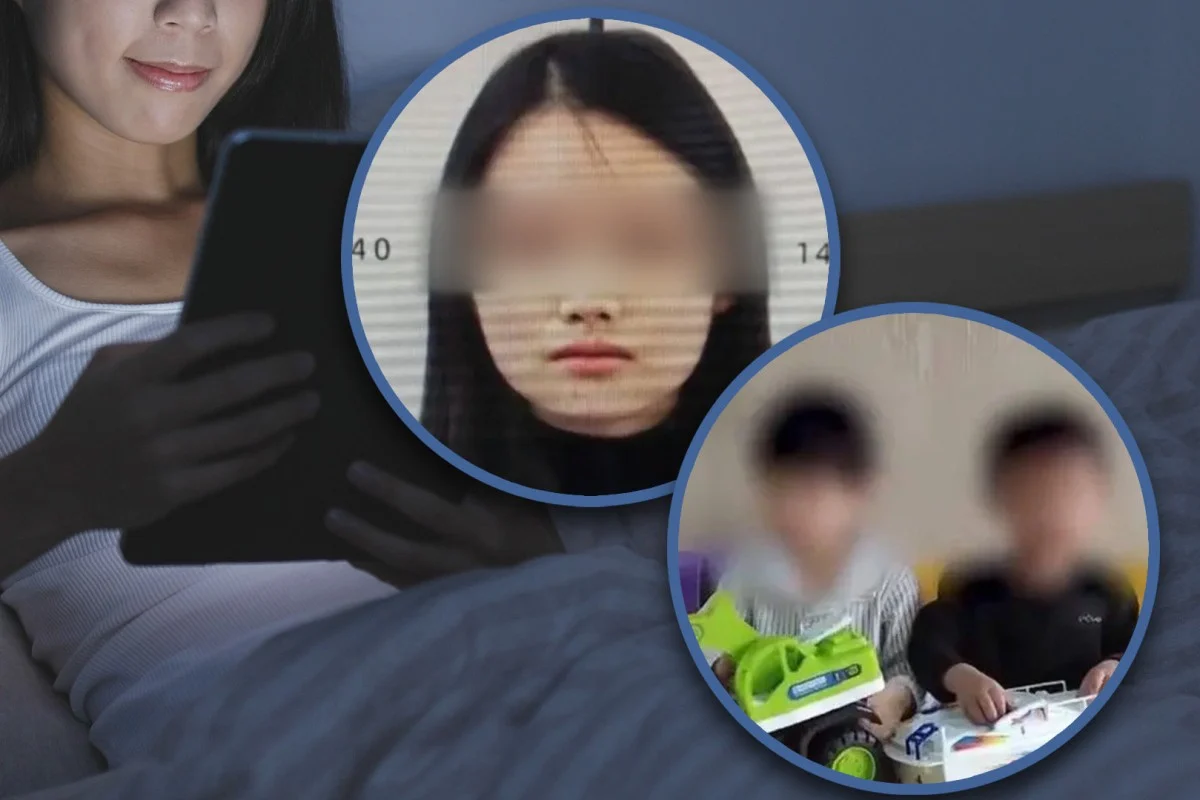
FUZHOU, China — In a case that has gripped China and ignited a firestorm of public outrage, a 26-year-old woman named Huang, from Guangxi province, was sentenced to over five years in prison for selling her two infant sons to fund her addiction to tipping live-streaming hosts. The story, unfolding in the southeastern city of Fuzhou, lays bare the dark intersection of poverty, digital consumerism, and human trafficking in modern China.
Huang, who left her adoptive family as a teenager due to neglect and limited education, drifted to Fuzhou, where she scraped by with odd jobs. In October 2020, she gave birth to her first son. Struggling financially and without a known father to support her, she made a chilling decision: to sell the newborn for 45,000 yuan ($6,300).
The buyer, introduced by Huang’s landlord, was a family desperate for a male heir due to infertility. The transaction, cold and calculated, marked the beginning of Huang’s descent. The money didn’t last. Huang, state media reported, funneled every yuan into the virtual world of live-streaming platforms, tipping hosts and splurging on flashy clothes to project an image of affluence. When the funds dried up, her desperation took a darker turn. In a calculated move, Huang sought out men to conceive another child solely to sell it.
In 2022, she gave birth to a second son, Guyu, and sold him to a broker for 38,000 yuan ($5,300). The broker later resold the boy for 103,000 yuan ($14,000). Again,
Huang spent the proceeds on live-streaming tips and luxury purchases. The case unraveled in April 2022 when Huang was reported to authorities for suspected fraud. Police uncovered damning evidence in her phone’s chat records, revealing her transactions. Both boys were rescued and placed in the care of local civil affairs departments, awaiting adoption.
On July 8, the Fuzhou Jin’an District People’s Court sentenced Huang to five years and two months in prison for fraud and trafficking, with a fine of 30,000 yuan ($4,000).
Her landlord, surnamed Wei, received a seven-month sentence, while the buyer, surnamed Li, was given a nine-month suspended sentence.
The case, broadcast by CCTV, has sparked a torrent of anger online. “Five years for selling her own children? That’s far too lenient,” one commenter fumed on Weibo, China’s equivalent of X. Another called Huang “a monster unfit to be a mother.” A third demanded a 30-year sentence, reflecting the public’s horror at her actions.
This disturbing saga highlights the growing influence of consumerism in China, where digital platforms like live-streaming apps have become cultural juggernauts. These platforms, where viewers shower hosts with virtual gifts costing real money, have exploded in popularity, with the industry generating billions annually.
For some, like Huang, the allure of these platforms can spiral into obsession, fueled by a desire for status and connection in an increasingly materialistic society. Yet the case also exposes deeper societal fractures.
Child trafficking in China, though illegal, persists in the shadows, often driven by poverty, ignorance, and cultural pressures to continue family lineages, particularly through male heirs. Huang’s story, while extreme, reflects the desperation of those on society’s margins, where limited education and opportunity can lead to unthinkable choices.
As China grapples with rapid modernization and the pressures of a digital age, Huang’s actions serve as a grim reminder of the human cost of unchecked consumerism and systemic inequality. The public’s outrage may fade, but the fate of her two sons, now in state care, underscores a broader challenge: ensuring that no child becomes a commodity in a society chasing fleeting virtual rewards.