 News Desk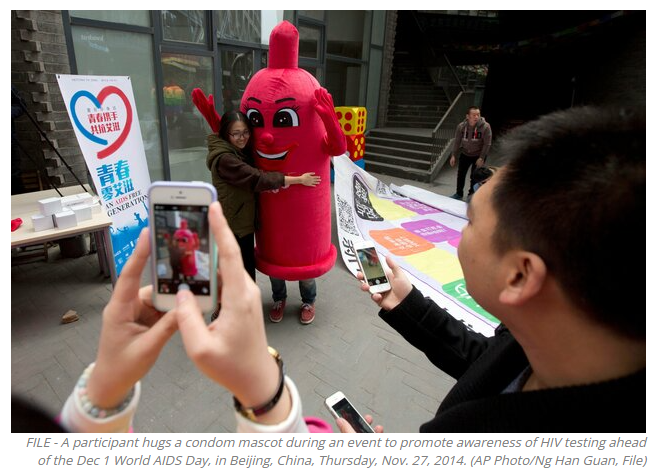
BEIJING — China’s ruling Communist Party has spent the past decade trying to reverse the demographic collapse it once engineered. But its latest move — taxing contraceptives for the first time in more than thirty years — has left many citizens bewildered, angry, and afraid.
Starting January 1, condoms, birth-control pills, and other contraceptive products will be subject to the standard 13 percent value-added tax. Officials frame the measure as “normalizing” contraceptives as consumer goods. But for many Chinese, the policy feels like a blunt attempt to push families into having more children, regardless of the personal or public health costs.
On social media, the backlash was immediate. “Raising a child is far more expensive than buying condoms, even with a tax,” one user wrote, echoing a sentiment that ricocheted across Weibo. Others mocked the government’s logic: “If they think taxing condoms will make us have babies, they’re fools.”
Behind the jokes lies a serious concern. Experts warn that higher prices could reduce access to contraceptives, especially for poorer families, leading to more unintended pregnancies and a rise in sexually transmitted infections. China already records hundreds of thousands of syphilis and gonorrhoea cases annually, and HIV infections are climbing among older adults. “This is a really ruthless move,” said Hu Lingling, a mother of one who vowed to “lead the way in abstinence” rather than risk another child.
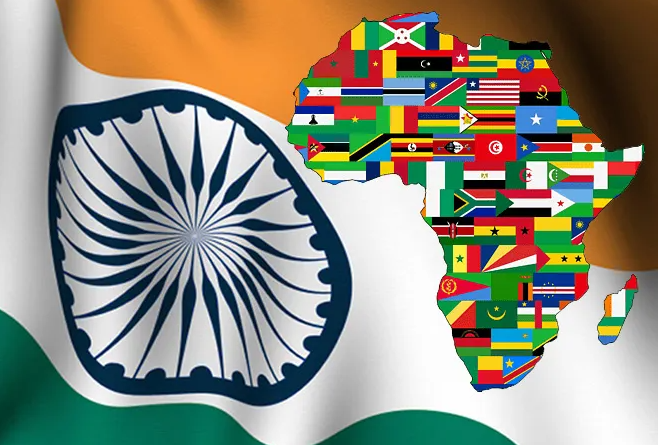
The irony is hard to miss. For decades, Beijing enforced its one-child policy with fines, forced abortions, and bureaucratic punishments that left some children stateless. Now, with births plunging — just 9.5 million in 2024, down a third from 2019 — the government is scrambling to undo the damage. India overtook China as the world’s most populous country in 2023, a symbolic blow to Beijing’s global stature.
Yet demographers say the condom tax will do little to change fertility trends. “For couples who do not want children, a 13 percent tax is irrelevant compared to the cost of raising a child,” said Qian Cai, director of the Demographics Research Group at the University of Virginia. Others see the measure as a continuation of the Party’s intrusive management of private life. “It is a disciplinary tactic, a management of women’s bodies and my sexual desire,” said Zou Xuan, a teacher in Jiangxi province.
China consumed 5.4 billion condoms in 2020, according to market data, underscoring how deeply contraception is woven into daily life. Making it more expensive risks not only public health but also trust in government. “They used to control the population by limiting births,” said Yi Fuxian, a scientist at the University of Wisconsin-Madison. “Now they want more babies, so they control again — just in a different way.”
For many Chinese, the policy is less about economics than about memory. It recalls the Party’s long history of deciding who may have children, and when. The condom tax, critics say, is not a reform but a reminder: in Beijing, even the most intimate choices remain subject to state power.