 News Desk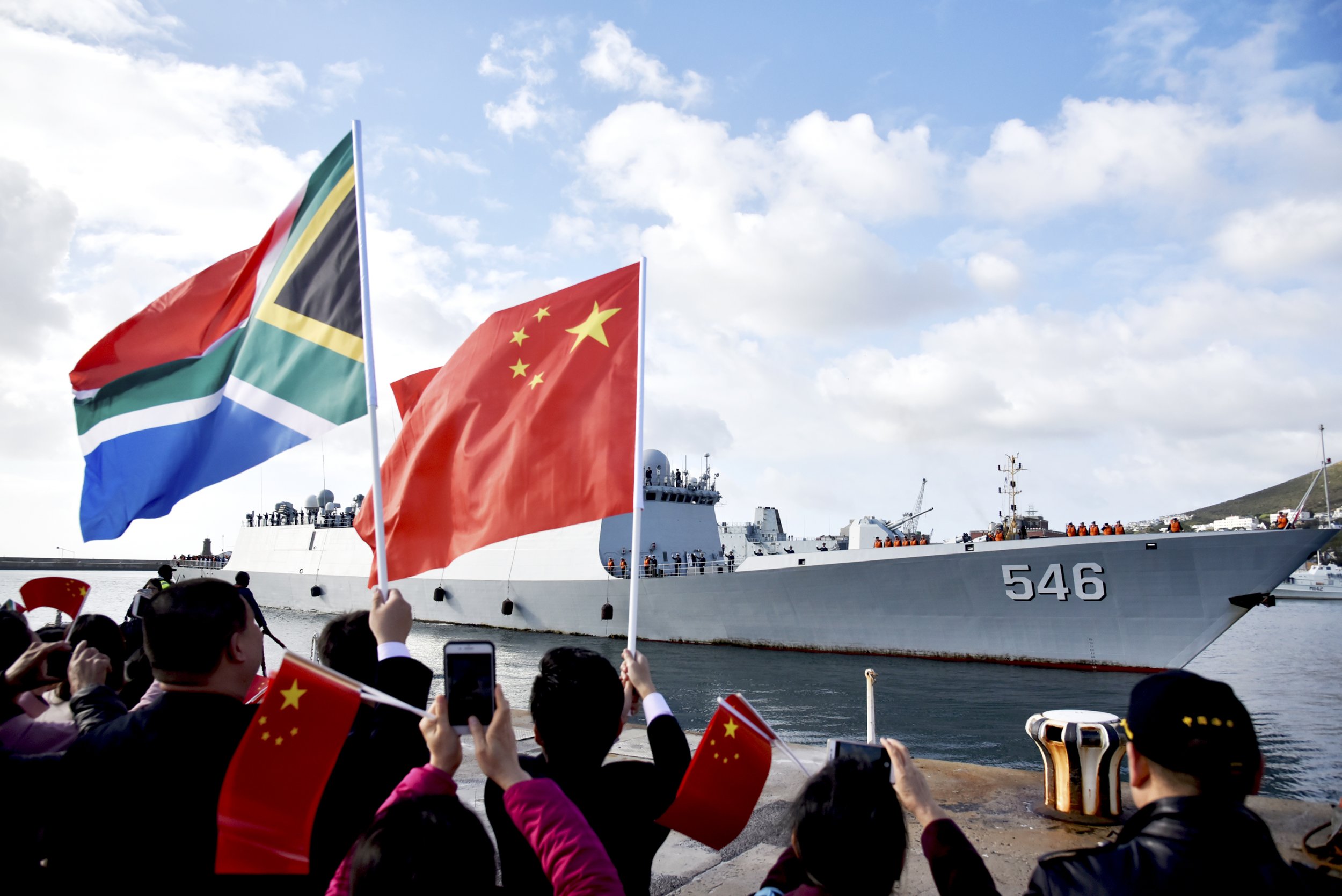
PRETORIA — Last October, a brief update flickered across South Africa’s Department of International Relations and Cooperation website, barely registering beyond diplomatic circles. The “Taipei Liaison Office” in Pretoria, a fading emblem of Taiwan’s presence, was renamed the “Taipei Commercial Office” and ordered to vacate the capital within six months. To most, it was a bureaucratic trifle. To those tracking the tides of global power, it was a quiet triumph for China—one that came to fruition as the March deadline passed.
That deadline, now behind us, has cemented a shift years in the making. South Africa, a strategic linchpin at Africa’s southern tip, has bowed to Beijing’s pressure, further isolating Taiwan and underscoring China’s growing dominion over the Global South. The world watched—not with headlines, but with the muted unease of a fait accompli.
South Africa’s dance with China is a story of pragmatism and mounting debt. Since embracing Beijing’s One China policy in 1998 and cutting formal ties with Taiwan, Pretoria has leaned into China’s orbit. Billions in loans and infrastructure projects via the Belt and Road Initiative have tightened the knot—$22 billion in debt and $14 billion in Chinese investment since 2008. At the 2023 BRICS summit, Beijing doubled down, bankrolling 70% of South Africa’s latest infrastructure push. Trade tilts heavily in China’s favor: $179 billion in exports to Africa in 2024 outpace $117 billion in imports. Analysts now warn of a tipping point—loan defaults or port concessions could hand China strategic control.
Taiwan’s fate was sealed long ago. A financial ally to the African National Congress (ANC) during its 1994 ascent, Taipei lost ground as China’s clout surged. The 1997 Hong Kong handover forced Nelson Mandela’s government to pick a side, relegating Taiwan to a symbolic liaison office. Its strategy since—grassroots projects and a low profile—couldn’t rival China’s largesse. When South Africa ordered the Pretoria office to relocate last fall, Taiwan’s Foreign Ministry protested, citing a 1997 deal. The plea fell flat; the move is done.
The timing traces back to last May’s election, when the ANC lost its absolute majority for the first time since apartheid’s end. A new Government of National Unity, including the skeptical Democratic Alliance (DA), briefly hinted at friction over Beijing’s sway. Yet a delegation to September’s China-Africa forum—DA members in tow—showed the coalition bending to reality. The DA voiced unease over Taiwan’s ouster, but China’s leverage proved unassailable.
This is more than a South African story. It’s a chapter in China’s relentless squeeze on Taiwan’s diplomatic space—now down to 13 formal allies—and a test of its influence over sovereign states. South Africa, astride the Indo-Pacific triangle, is a prize. A misstep on its debts could lock Beijing into Africa’s maritime gateways, rattling Western and regional powers.
At home, the mood is mixed. While ANC elites hail China as a “guiding lodestar”—a phrase from their 2015 manifesto—only 37% of South Africans view Beijing favorably, per a 2023 Afrobarometer survey. The public sees a creditor, not a savior, yet debate remains stifled. China’s aid, unlike the West’s, comes without loud conditions—just quiet strings.
The global fallout is still unfolding. South Africa’s capitulation raises a question: If China can reshape a democracy’s foreign policy so deftly, where does it stop? The international response has been tepid, but the stakes demand more. A united front—economic or diplomatic—could yet affirm that sovereignty isn’t a bargaining chip. For now, as April unfolds, South Africa and Taiwan mark a line crossed: a world where Beijing’s whispers carry the weight of commands.