 News Desk
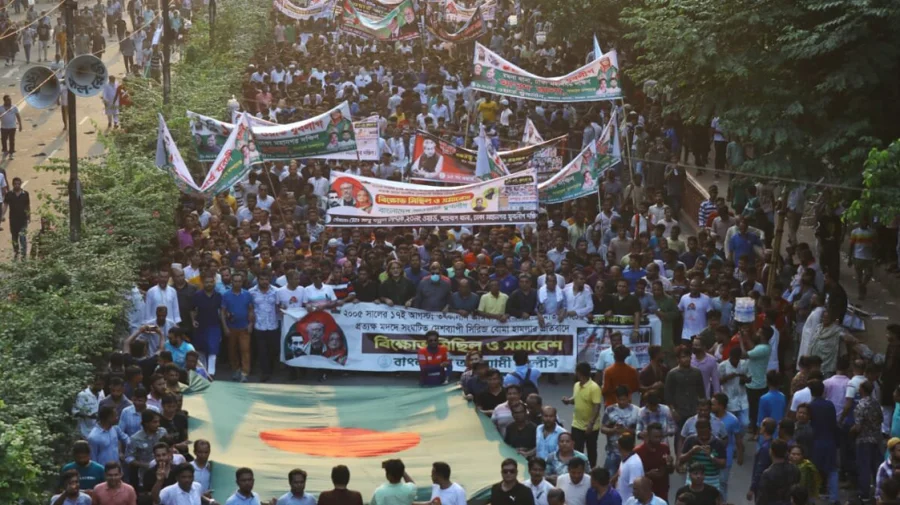
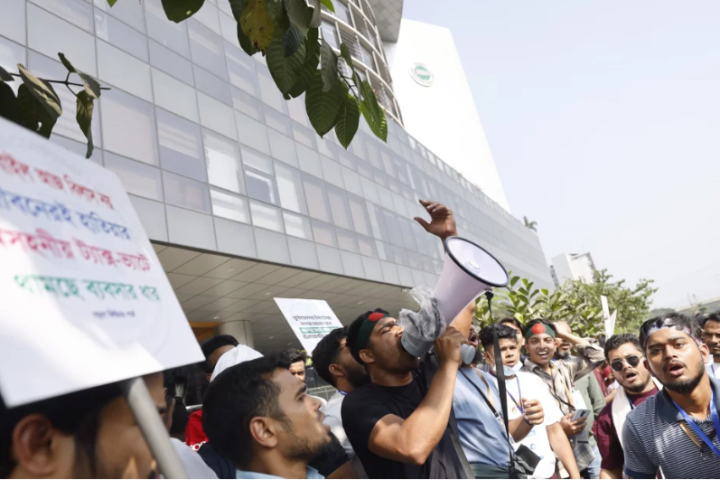
DHAKA, Bangladesh — Along the congested industrial corridors ringing Bangladesh’s capital, thousands of garment workers have spilled onto the highways in recent weeks, their demands for living wages met with tear gas, sound grenades and shuttered factory gates. Inside the sleek glass towers of downtown Dhaka, meanwhile, bankers and regulators are grappling with a quieter but equally destabilising crisis: a financial system hollowed out by years of unchecked looting and mountainous bad debts.
Once heralded as one of South Asia’s most compelling economic success stories, Bangladesh is now caught in a perilous squeeze. Hit simultaneously by violent labour unrest in its vital export engine, a banking sector teetering on insolvency and stubbornly high inflation, the nation’s economy is struggling to regain its footing.
At the centre of the street turmoil is the ready-made garment industry, which employs roughly four million people and generates more than 80 per cent of Bangladesh’s export earnings. Since late October, rolling protests have paralysed manufacturing hubs in Ashulia, Gazipur and Mirpur. Workers, battered by years of elevated food and fuel costs, are demanding that the monthly minimum wage be more than doubled, from 12,500 taka to at least 30,000 taka (roughly $250).
Yet as demonstrators clash with police and paramilitary border guards, factory owners have dug in, warning of indefinite lockouts while a government-appointed wage board has stalled. The unrest could scarcely come at a worse moment: apparel exports to the European Union—Bangladesh’s largest market—plunged nearly 12 per cent in the first nine months of the year, the steepest drop among major global suppliers. Prolonged disruption on the factory floor risks driving international fashion brands to rival manufacturing hubs in Vietnam and India.
The turmoil on the streets mirrors a profound rot inside Bangladesh’s financial institutions. For more than a decade, politically connected conglomerates treated state and private banks as personal piggy banks, funneling billions of dollars into questionable loans that were never repaid. Officials and banking executives now acknowledge that roughly a third of the banking sector’s assets were effectively siphoned off.
Left saddled with staggering piles of non-performing loans, several commercial lenders have been reduced to zombie institutions, unable to return deposits to anxious savers or extend fresh credit to legitimate businesses. With public confidence shaken, roughly 1.87 trillion taka in cash is now being hoarded outside the formal banking system, starving the economy of liquidity. Economists warn that rescuing the ravaged financial sector could require drawing hundreds of billions of taka from public coffers every year for the better part of a decade—mortgaging the country’s future growth to pay for past cronyism.
For ordinary Bangladeshis, the macroeconomic dysfunction translates into relentless daily hardship. While headline inflation has edged down slightly from its recent peaks, it remains entrenched above 8 per cent, driven by a weakened currency, global energy disruptions and supply bottlenecks.
That leaves policymakers in Dhaka trapped in a painful bind. To tame inflation and shore up the taka, the central bank has kept its benchmark interest rate near 9.5 per cent. Yet punishingly high borrowing costs, combined with broken bank balance sheets, have choked off private-sector investment and slowed job creation to a crawl. Without deep structural reforms to clean up its banks and restore stability to its factories, Bangladesh risks squandering the hard-won economic gains that lifted millions out of poverty over the past two decades.