News Desk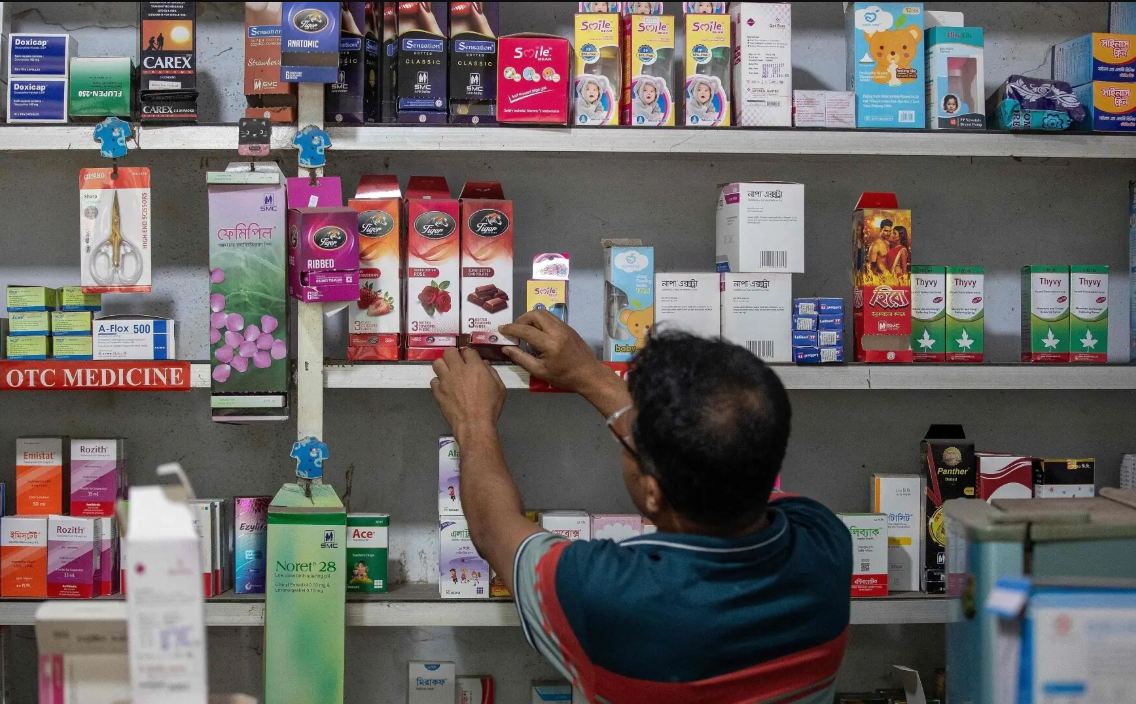
In a massive blow to South Asia’s public health narrative, the once-celebrated Bangladesh family planning model is officially in freefall. A severe contraceptive shortage has gripped nearly a third of the country, leaving millions of underprivileged citizens without access to basic birth control like condoms, pills, and IUDs.
For decades, Bangladesh was the “poster child” for birth rate control, successfully slashing fertility rates from 6.3 in the 1970s to 2.3 in 2022. But that progress is now being flushed away.
-
Zero Supplies: Government figures for May reveal that condoms and oral pills are completely unavailable in 21 out of 64 districts.
-
Stagnant Leadership: Experts are pointing fingers at “years of declining political attention” under the former regime of Sheikh Hasina, alleging she attended the population council meeting only once in 17 years.
-
Administrative Failure: While a new government was elected in February 2026, the supply chain remains “buckling” due to massive procurement failures in 2024 and 2025.
The Savar Upazila Health Complex in Dhaka—a lifeline for the garment industry’s workforce—is reportedly “barely functioning.”
“We haven’t had supplies of condoms for the last four to five months,” says Ahmed Bin Sultan, a family planning officer. Healthcare workers are now forced to tell low-income seekers to “buy them from private dispensaries,” a cost many simply cannot afford.
It isn’t just birth control. Public health experts warn that this is a symptom of a much deeper “mismanagement” within the Bangladeshi health ministry.
-
Measles Outbreak: Failure to vaccinate has led to a measles surge that has claimed nearly 400 children since mid-March.
-
Vaccine Shortages: Critical supplies of rabies vaccines have also dried up.
-
Unsafe Alternatives: With clinics empty, women are reportedly turning to pharmacies for abortion pills without medical guidance, leading to a spike in “post-abortion complications.”
While officials promise the supply chain will be restored by August 2026, the damage may already be done. With the fertility rate already ticking up to 2.4, the “social movement” that once defined Bangladesh’s success is now a cautionary tale of bureaucratic lethargy and lost momentum. Will the new government act before the population surge becomes irreversible? The clock is ticking.