 News Desk
Bangladesh faces a serious structural food insecurity challenge despite improvements in 2025, according to the 2026 Global Report on Food Crises (GRFC). The report places Bangladesh among the top 10 countries with the largest number of people experiencing acute food insecurity in 2025 .
The GRFC estimates that 1.6 crore people faced crisis‑level or worse food insecurity during the 2025 peak. This includes 1.56 crore in “Crisis” and four lakh in “Emergency” categories, representing 17 percent of the analysed population . The analysis covered 59 percent of the national population, not the entire country .
The report notes an improvement from 2024, with 76 lakh fewer people in acute food insecurity due to fewer disasters, lower food inflation and higher remittances . But experts say this improvement is troubling because the numbers remain high even in a relatively stable year.
The findings show that Bangladesh’s food insecurity is driven less by disasters and more by low incomes, weak purchasing power, regional deprivation, climate exposure and gaps in social protection . For many households, food is available in markets but remains unaffordable, leading to poor diets and exhausted coping mechanisms.
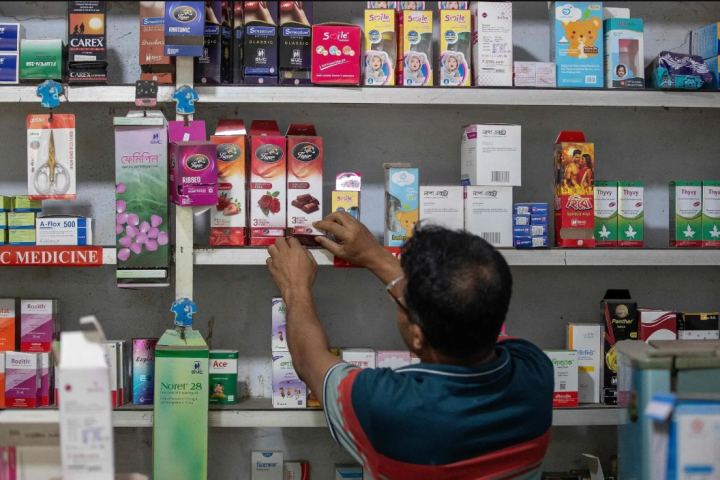
High food prices have forced families to reduce protein intake, shift to cheaper staples, borrow informally and cut spending on children’s needs and healthcare . Long‑term nutritional damage is a major concern, especially for children, women and the elderly.
Remittances provided relief in 2025, but the article warns that they cannot replace a national food security strategy because benefits are unevenly distributed across households and regions .
The Rohingya crisis has added pressure. Acute food insecurity worsened among forcibly displaced Myanmar nationals due to new influxes, floods and reduced humanitarian assistance, affecting both refugees and host communities in Cox’s Bazar .
The article outlines several policy priorities. Bangladesh must shift its focus from food availability to affordable, nutritious diets for poor households throughout the year . Social protection systems need to become faster, better targeted and more shock‑responsive . Market governance must improve to reduce price volatility caused by weak competition, stock mismanagement and sudden import decisions. Nutrition should be central to food policy, with stronger school feeding, maternal nutrition and child health services . Climate resilience must be treated as a core food security priority, including flood control, salinity management, storage facilities and early warning systems.
The GRFC should be seen as a warning, not a verdict, the article stresses. Bangladesh has made progress, but 1.6 crore people facing acute food insecurity is too large a number for a country aiming for upper‑middle‑income status .
The real test, it concludes, is whether every household can eat adequately, nutritiously and consistently, even when prices rise or shocks occur .