 News Desk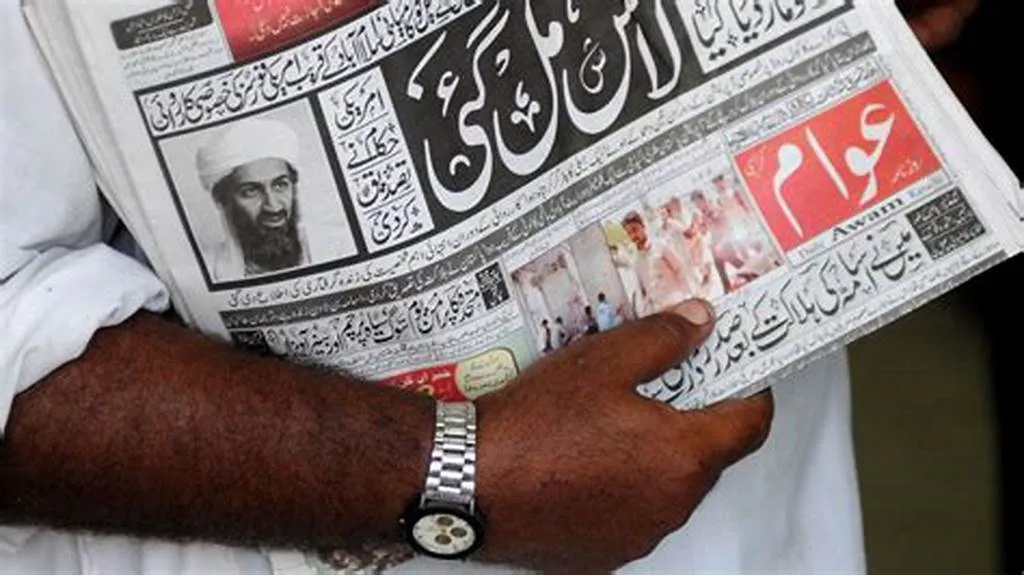
Islamabad, Pakistan — In a recent development, former Punjab law minister Basharat Raja has criticized the Punjab government’s decision to feature Pakistan Muslim League-Nawaz (PML-N) chief Nawaz Sharif in a provincial advertisement, labeling it a contempt of court. Raja highlighted that the Constitution prohibits self-projection of public office-holders at the expense of public funds. He questioned the justification for including Sharif’s image in government promotions, especially given past Supreme Court decisions on the matter.
This incident is not isolated but reflects a broader pattern of media control and suppression in Pakistan. The PML-N government has been accused of leveraging state resources for personal publicity, undermining journalistic independence, and stifling dissenting voices.
A significant concern is the recent amendments to the Prevention of Electronic Crimes Act (PECA). The Pakistan Federal Union of Journalists (PFUJ) has vehemently opposed these changes, describing them as a threat to independent media, freedom of expression, and democracy. The amendments criminalize the dissemination of so-called ‘fake news,’ imposing severe penalties, including imprisonment and hefty fines. The vague definitions within the law have raised alarms about potential misuse to target critics and suppress free speech. Amnesty International has criticized the amendments, stating they could chill what little is left of the right to online expression in the country.
Moreover, the government’s approach to media regulation has been marked by coercive tactics. The PFUJ has condemned the use of government advertisements as a tool to pressure media houses into compliance. Notably, publications like Dawn have faced financial strains due to the withdrawal of state advertisements, a move perceived as punitive for their critical reporting. This strategy not only undermines the financial viability of independent media outlets but also sends a chilling message to others about the repercussions of dissent.
The international community has also taken note of these developments. The European Union has linked Pakistan’s favorable trade status to tangible progress in human rights and media freedom. During a recent visit to Islamabad, EU representatives emphasized that benefits under the Generalized System of Preferences Plus (GSP+) are contingent upon reforms in these areas. This underscores the potential economic ramifications of continued media suppression and human rights violations.
The cumulative effect of these actions paints a concerning picture of the state of press freedom in Pakistan. The intertwining of political interests with media regulation, the use of financial levers to enforce compliance, and the enactment of draconian laws to curb dissent are indicative of a shrinking space for independent journalism. As the PML-N government continues to consolidate its control over media narratives, the foundational principles of free expression and democratic discourse face unprecedented challenges.
It is imperative for both domestic stakeholders and the international community to advocate for the protection of press freedom in Pakistan. Ensuring an environment where journalists can operate without fear of retribution is essential for the health of the nation’s democracy and its standing on the global stage.