 News Desk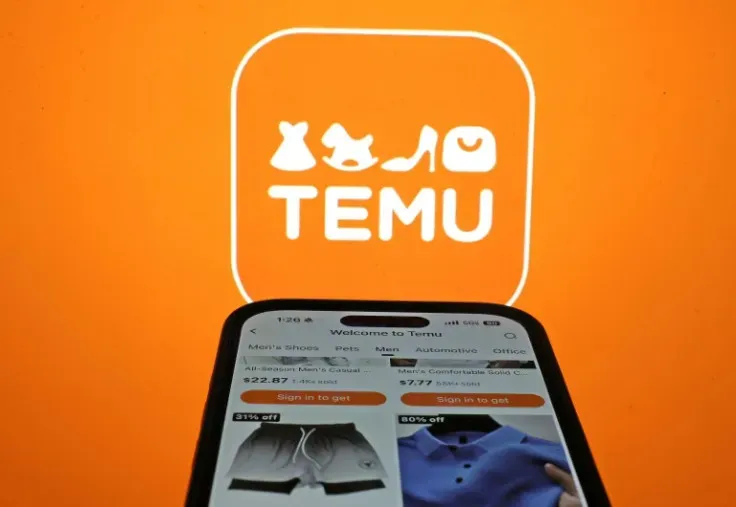
Colin Huang, a former Google engineer turned e-commerce tycoon, has officially become China’s richest man, with a net worth of $48.6 billion, according to the Bloomberg Billionaires Index.
His company, PDD Holdings, owns Temu, the online shopping platform that has taken the West by storm with rock-bottom prices and an aggressive expansion strategy. But behind the deals and discounts, critics say, is a business model built on opaque supply chains, questionable labor practices, and data privacy concerns that have drawn scrutiny from governments worldwide.
Temu, launched in the U.S. in 2022, has grown at an astonishing pace, luring millions of cost-conscious consumers with ultra-cheap goods made and shipped from China. The platform has since expanded across Europe and Latin America, thriving in an era of high inflation that has forced shoppers to hunt for bargains. But while Temu’s success has been meteoric, so have the accusations against it.
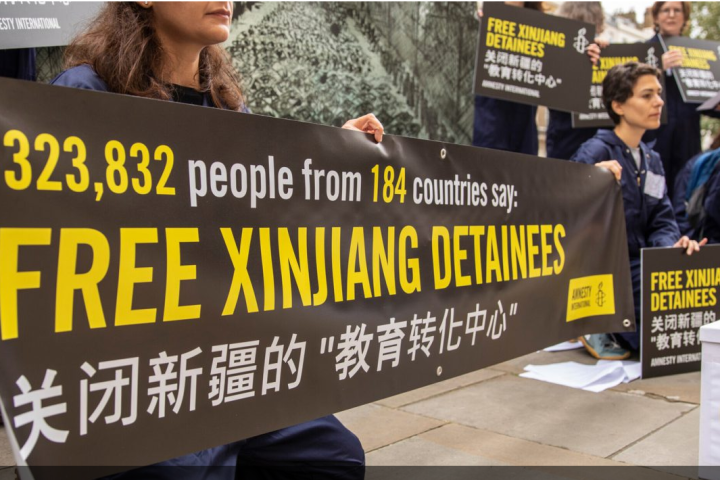
A U.S. congressional investigation found that Temu may be selling products made with forced labor in Xinjiang, the region where the Chinese Communist Party (CCP) has been accused of operating mass detention camps for Uyghur Muslims. Unlike other retailers that have distanced themselves from Xinjiang-linked supply chains, Temu has admitted it lacks any policy to prevent the sale of such goods. A bipartisan group of state attorneys general from US 21 states has demanded answers, citing concerns over potential violations of the Uyghur Forced Labor Prevention Act.
Beyond the labor concerns, Temu’s rapid expansion has alarmed consumer watchdogs and regulators worldwide. European consumer groups have accused the platform of using manipulative tactics to push customers into spending more, undermining their ability to make informed choices.
In South Korea, regulators have opened an investigation into Temu for false advertising and unfair business practices. Meanwhile, in China, hundreds of merchants have protested against the company, alleging mistreatment and exploitative conditions on the platform.
One key advantage Temu enjoys is its ability to exploit a loophole in U.S. trade policy. The “de minimis” rule allows imported goods valued under $800 to enter the country duty-free. Temu and fellow Chinese e-commerce giant Shein have taken full advantage of this, reportedly accounting for more than 30% of all global shipments to the U.S. under this threshold in 2022. By comparison, established American retailers, such as Gap, paid hundreds of millions in import duties, while Temu and Shein paid virtually nothing.
Huang’s rise to the top of China’s rich list is emblematic of Beijing’s broader strategy: dominate global markets by undercutting competitors and evading regulatory oversight. Unlike the flashy, outspoken Jack Ma of Alibaba, Huang has maintained a low profile. But his company’s methods—relying on dirt-cheap production, avoiding tariffs, and leveraging China’s vast state-backed supply chains—are anything but subtle.
Despite mounting scrutiny, Temu’s profits are soaring. PDD Holdings’ first-quarter net profit more than tripled year over year, and its stock continues to climb. Western governments have begun to take notice, but the platform’s relentless growth raises a pressing question: Will regulators act before Temu becomes too big to rein in?