News Desk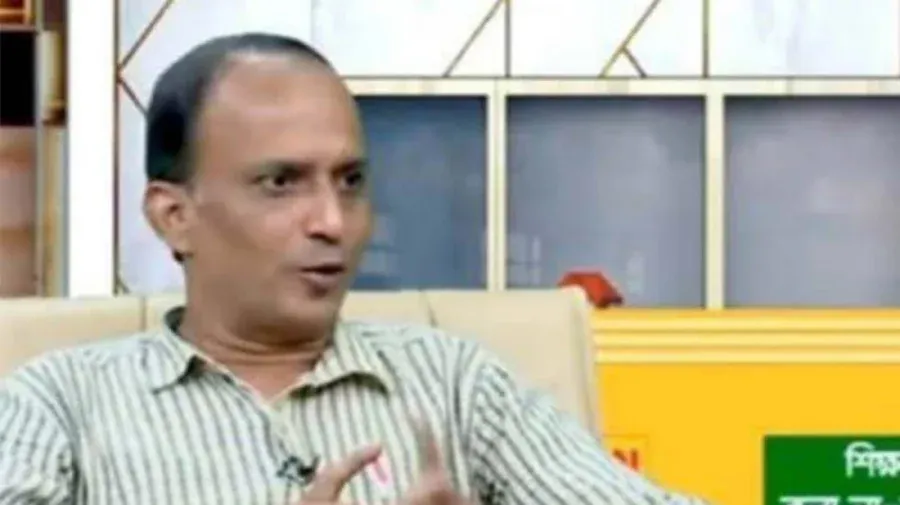
DHAKA—The blood had dried by the time the police arrived. The crime scene was not cordoned off; the body had already been moved.
The man who had been brutally hacked to death—Mohammad Saifur Rahman Bhuiyan, vice principal of Habibullah Bahar College—had bled out in the early hours of Monday, while he was on fast, alone in his rented house in Uttarkhan, Dhaka. The killers used local weapons, their blows precise. His head, his neck, deeply slashed.
Saifur Rahman’s murder is just the latest in a Bangladesh where law is an afterthought, where politics and violence swirl into one indistinguishable force. Since the fall of Sheikh Hasina’s decades-long grip on power, a new instability has filled the vacuum. Under Nobel laureate Muhammad Yunus, long hailed abroad but eyed with suspicion at home, the streets are not safer. If anything, they are bloodier.
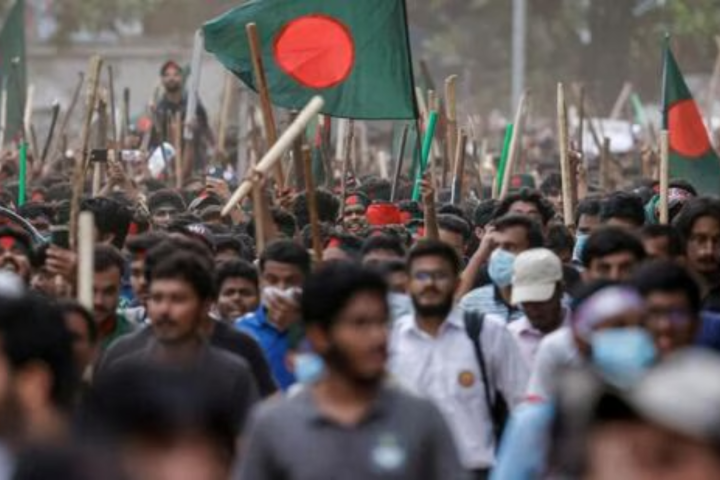
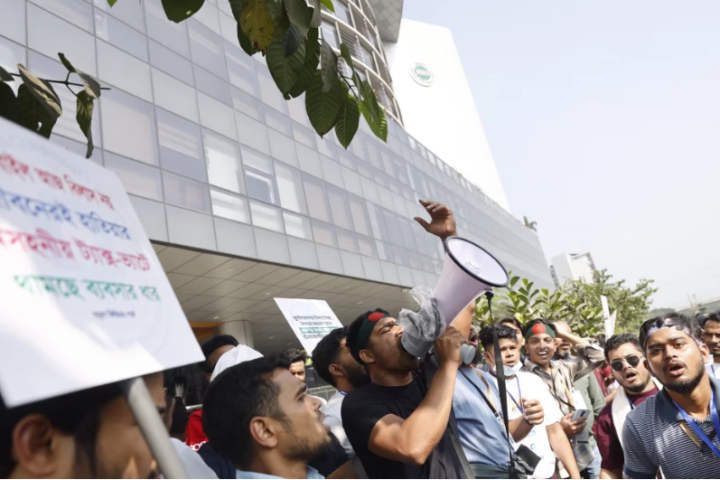
After the election, students of Habibullah Bahar College rose up, demanding the removal of old administrators and the installation of new, “loyal” ones. Saifur Rahman, they alleged, had ties to the past. Some waved images of him at Awami League seminars, his presence alone enough to seal his fate. The principal was forced out. Most of the staff followed. Saifur Rahman, now vice principal, stood alone. And then he was dead.
“There were doctors at the hospital,” a former student, Rezaul Raihan, said. “But nobody even called the police.”
The police arrived late. The investigation, if it can be called that, has begun. But few expect justice. The new government has yet to establish its authority, and Yunus, so vocal about democracy while in exile, has yet to speak on the lawlessness gripping his country.
Elsewhere, the stories pile up. A journalist, critical of the new order, disappeared from his home in Chattogram. His body was found floating in the Karnaphuli River. A local business owner, accused of ties to the previous government, was beaten by a mob outside his store. No arrests were made.
Bangladesh has changed hands. But the culture of impunity? That remains.
And for men like Saifur Rahman, there is no protection. Only silence. And blood.