 News Desk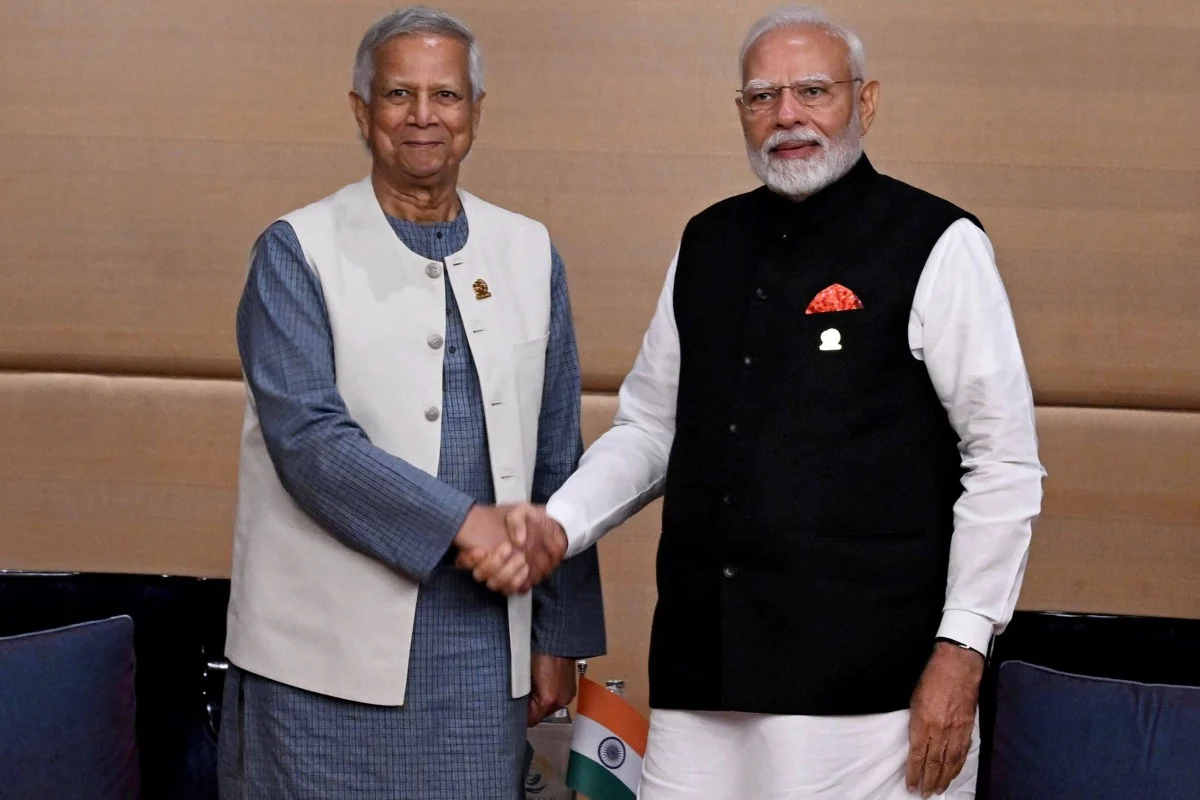
DHAKA, Bangladesh — On a humid evening in Dhaka’s bustling garment district, factory owners like Mohammed Iqbal pored over ledgers, grappling with a new reality. India, Bangladesh’s largest regional trading partner, has imposed sweeping restrictions on imports through its land borders, a move that threatens to choke the lifeblood of Bangladesh’s export-driven economy. Announced late on May 17, the curbs target ready-made garments, processed foods, and wooden furniture—goods that fuel Bangladesh’s economic engine. For a nation already reeling from political upheaval, the timing couldn’t be worse.
Trade Tensions Escalate
Bangladesh’s own trade policies have fueled the fire. Since April 2025, Dhaka has banned Indian yarn imports via land ports and imposed steep transit fees on Indian cargo, moves that Indian officials say unfairly target their exporters. India, in turn, has retaliated with its own measures. These restrictions have hit India’s northeastern states hard, limiting their ability to sell manufactured goods across the 1,600-kilometer shared border. For Bangladesh, a country that relies on India for $14.24 billion in annual trade, escalating this tit-for-tat risks long-term damage. “We’re shooting ourselves in the foot,” said Ahsan Mansur, a Dhaka-based economist. “India’s market is our lifeline, and we’re strangling it.”
India’s Rationale for Curbs
India’s commerce ministry has barred Bangladeshi garments, a $700 million annual export, from crossing land borders into India’s northeastern states. Other products, worth $153 million, face outright bans at six key entry points. This isn’t just a logistical headache; it’s a devastating setback for an industry that employs millions and accounts for 16% of Bangladesh’s GDP. For owners like Mohammed Iqbal, whose factories supply affordable clothing to India’s border markets, rerouting through distant seaports like Kolkata means soaring costs. “We’re not just losing profits,” Iqbal said, his voice heavy with worry. “We’re losing our future.”
Political Roots of the Rift
The roots of this economic rift lie in last summer’s political earthquake. In August 2024, former Prime Minister Sheikh Hasina, a steadfast ally of New Delhi, was ousted after student-led protests erupted into chaos. Hasina fled to India, where she now lives in self-imposed exile, leaving behind a fractured relationship between the two neighbors. This political shift has reshaped trade dynamics. Under the interim leadership of Muhammad Yunus, Bangladesh has tilted toward China, securing $2.1 billion in investments during a March 2025 visit to Beijing. Yunus’s remarks calling India’s northeastern states “landlocked” and dependent on Bangladesh for sea access prompted outrage in New Delhi, deepening the diplomatic chill.
India’s Strategic Response
Against this backdrop, India’s restrictions serve a dual purpose. By forcing Bangladeshi exports through seaports, New Delhi raises costs for Dhaka’s exporters without closing the door entirely. It’s a measured response that leaves room for dialogue, with Indian officials privately urging Bangladesh to reconsider its own restrictions to restore robust trade ties. But while India negotiates, its domestic priorities are clear.
A Boost for India’s Northeast
Meanwhile, in New Delhi, the mood is one of quiet resolve. India’s restrictions are framed as a necessary push for fairness, leveling a playing field tilted by Bangladesh’s barriers. The move aligns with Prime Minister Narendra Modi’s “Atmanirbhar Bharat” vision, a policy championing self-reliance by nurturing local industries. In the northeastern states of Assam, Meghalaya, and Tripura, where cheap Bangladeshi imports have long undercut local producers, the curbs promise a lifeline. Small manufacturers of textiles and furniture, stifled by competition, now see a chance to thrive. “This is about giving our people a fair shot,” said an Indian trade official. “We want trade, but it has to work for both sides.”
A Precarious Future
While India stands firm, Bangladesh faces mounting losses. In Dhaka, the fear is palpable: if tensions persist, the garment industry that lifted millions out of poverty could falter. For now, Bangladesh’s garment workers and factory owners bear the burden. India, meanwhile, bets that its economic clout and strategic patience will bring Bangladesh back to the negotiating table. As trucks idle at quiet border posts and workers await their fate, the stakes for both nations are clear. One hopes for reconciliation; the other waits, confident in its course.