News Desk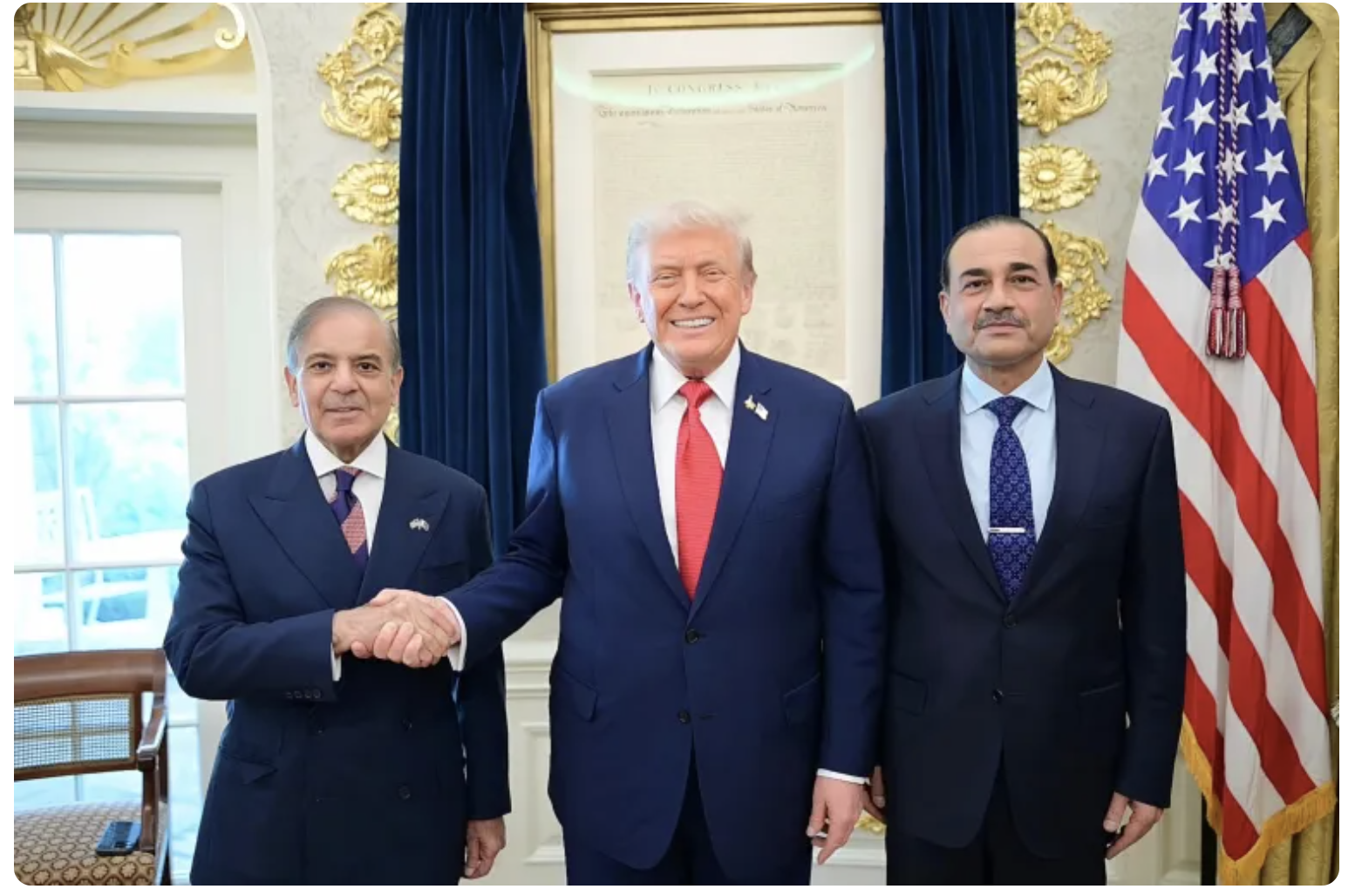
ISLAMABAD — Pakistan’s recent overtures toward President Donald J. Trump have drawn a mix of bewilderment and criticism at home and abroad, after Prime Minister Shehbaz Sharif praised him as a potential force for peace in Gaza and renewed Islamabad’s push for his nomination to the Nobel Peace Prize.
The gestures, which follow the launch of Trump’s “Board of Peace” initiative at Davos, have raised questions about Pakistan’s diplomatic calculus and the tension between its stated principles and its political pragmatism. For a country that has long cast itself as a defender of Muslim solidarity and a vocal advocate for Palestinian rights, the embrace of a leader whose policies have often unsettled Muslim‑majority nations has struck many observers as a striking shift.
The roots of Islamabad’s enthusiasm, analysts say, lie in a blend of strategic necessity and political theater. Pakistan has historically viewed American administrations as essential partners in securing economic support and geopolitical leverage. Trump’s new peace initiative — framed as a vehicle for Gaza reconstruction and broader conflict mediation — offered the Sharif government an opportunity to align itself with a high‑profile global effort.
Officials in Islamabad have publicly defended the initiative, describing it as a chance to contribute to regional stability. But critics argue that the eagerness reflects a desire to cultivate favor with a leader known for his transactional approach to foreign policy. The renewed push for a Nobel nomination, first floated last year, has intensified those concerns.
Sharif has credited Trump with helping avert nuclear escalation in South Asia and “saving millions of lives,” a claim that Indian officials and independent analysts have publicly dismissed. New Delhi has repeatedly said no such crisis occurred, describing Pakistan’s account as inaccurate and politically motivated. The assertion has also drawn scrutiny from regional experts, who note Trump’s record in the area, including U.S. drone strikes in Pakistan and recent American actions against Iran.
On social media, the reaction has been sharp, with users questioning how a government that condemns certain U.S. military operations can simultaneously champion the American president behind them.
The debate has revived broader questions about Pakistan’s founding ideals. Established in 1947 as a homeland for India’s Muslims, the country’s early leaders envisioned a state rooted in justice, equality and solidarity with the global Muslim community. For decades, Pakistan has been a consistent supporter of Palestinian statehood and a critic of Israeli military actions.
Some analysts say the current diplomatic posture risks diluting that legacy. They note that Trump’s first administration imposed travel restrictions on several Muslim‑majority countries and that his policies often drew criticism from rights groups across the region. Pakistan’s participation in the Board of Peace — which includes countries with complex ties to Israel — has also prompted debate about whether Islamabad’s pro‑Palestinian stance is being overshadowed by geopolitical considerations.
The contradictions have been especially visible in recent weeks. Pakistan condemned U.S. strikes on Iran as harmful to regional stability, even as it continued to advocate for Trump’s peace credentials. Commentators have described the juxtaposition as emblematic of a government navigating competing pressures: domestic expectations, economic vulnerability and the desire to maintain strong ties with Trump and family.
The human consequences of these diplomatic choices remain uncertain. Supporters of the peace initiative argue that Pakistan stands to gain influence in global discussions on Gaza and other conflicts. But several analysts say the government’s real calculation is more defensive: a desire to avoid the sharp criticism and public pressure that President Trump has directed at countries he views as uncooperative, a prospect Islamabad appears keen to sidestep. Critics counter that the pursuit of symbolic gestures — including a Nobel nomination — risks undermining Pakistan’s credibility on issues it has long championed.
For now, Islamabad appears committed to its course. But as the political landscape shifts in Washington and the Middle East, Pakistan faces a familiar challenge: balancing strategic pragmatism with the principles it has historically invoked on the world stage. Whether the current approach strengthens its position or complicates it further remains an open question.