 News Desk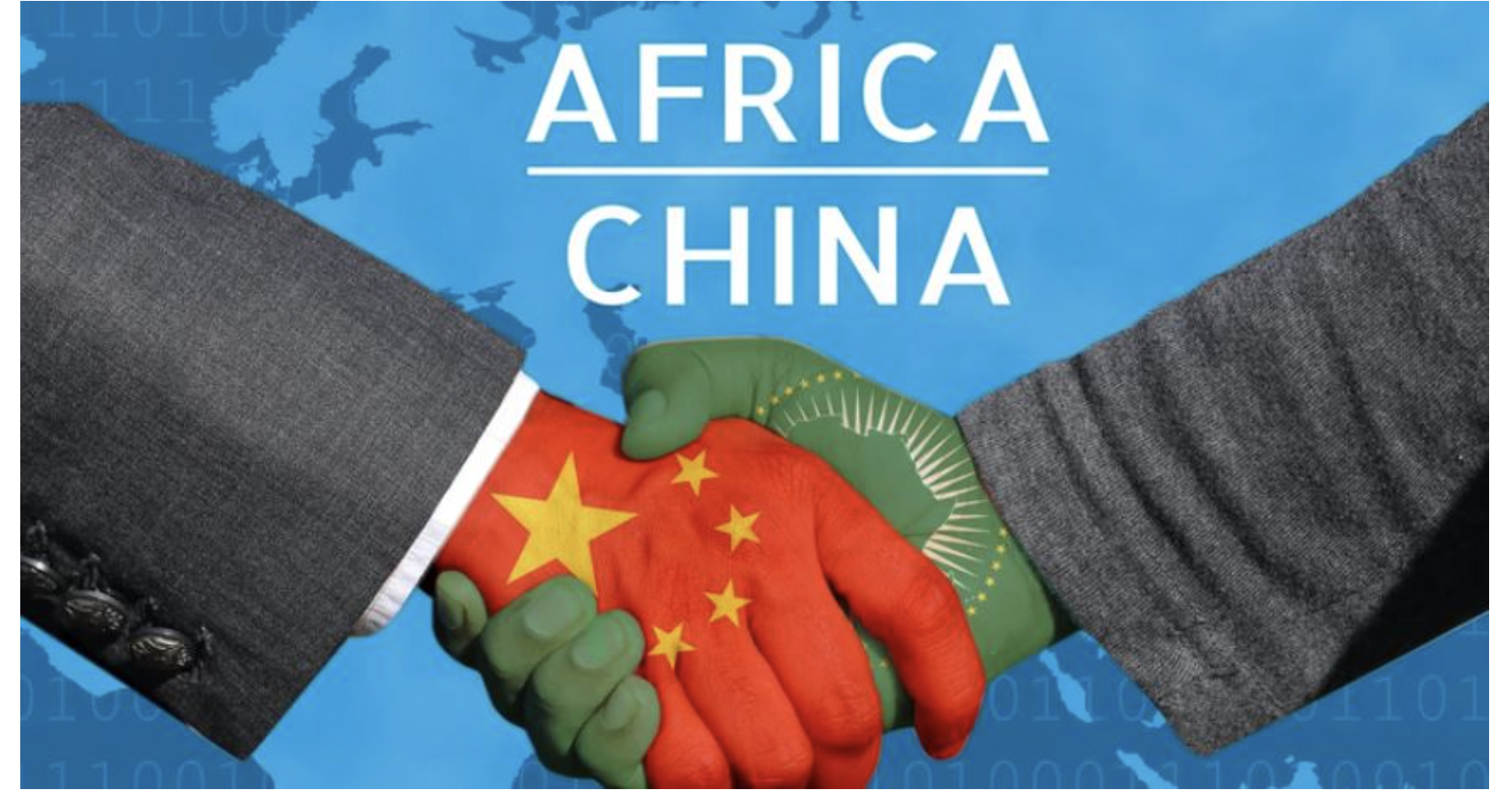
The shift from dollar to yuan payments may offer short-term relief — but could deepen long-term dependence on Beijing’s economic and strategic ambitions.
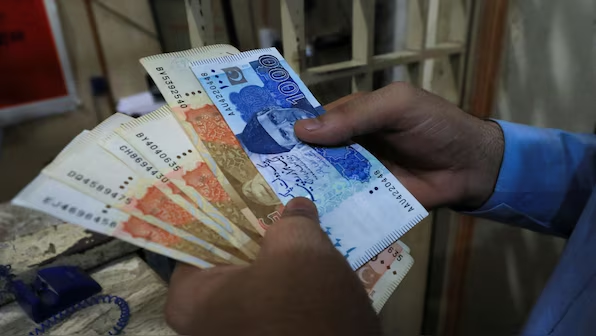
NAIROBI, Kenya — In a bold move that may reshape how developing nations manage foreign debt, Kenya is in the final stages of a deal to repay its multi-billion-dollar loans from China in yuan rather than U.S. dollars.
Billed as a cost-saving measure to ease pressure on dwindling dollar reserves, the currency swap could reduce Kenya’s debt servicing burden by hundreds of millions annually. But critics warn it may come at a higher price: increased dependency on China’s expanding financial system — and shrinking room to maneuver.
“This is not just a shift in currency. It’s a shift in allegiance,” said Dr. Lillian Muendo, an economist at the University of Nairobi.
Kenya borrowed nearly $5 billion from China’s Export-Import Bank in 2014 and 2015 to finance the Standard Gauge Railway, an ambitious project meant to connect the port city of Mombasa with Nairobi and beyond.
The project, built by Chinese contractors and reliant on Chinese equipment, was hailed as a game-changer. But a decade later, it remains a financial strain, with the railway operating below revenue targets and interest payments piling up.
Facing a widening budget deficit and reduced access to IMF and World Bank funds, the Kenyan government now hopes to restructure these loans by switching repayment from U.S. dollars to yuan, a move that could halve interest rates from over 6% to roughly 3%.
“It’s a no-brainer on paper,” said Aly-Khan Satchu, a Nairobi-based financial analyst. “But it moves us further into China’s economic ecosystem — where the rules are theirs.”
Kenya’s plan is part of a broader trend playing out across Africa, where Beijing has emerged as the continent’s single largest bilateral creditor.
In Angola, China is already repaid with oil. In the Democratic Republic of Congo, Chinese firms dominate cobalt mining. In Zimbabwe, Beijing-backed companies have secured rights to vast lithium deposits.
By offering low-cost, high-risk infrastructure financing, China has embedded itself deep within Africa’s physical and financial architecture. And now, by encouraging repayment in yuan, it is pushing African governments to adopt its currency — and with it, its influence.
“What China seeks isn’t just repayment — it’s leverage,” said John Mwalimu, a regional political analyst based in Johannesburg.
The United States, long the dominant financial partner on the continent, has expressed unease at what it sees as a slow but deliberate erosion of dollar primacy.
A U.S. Senate Foreign Relations Committee is now reviewing yuan-based repayment deals in Kenya and elsewhere, amid fears that Beijing is using its financial clout to “reshape the global order from the bottom up,” as one official put it.
Kenya’s decision could set a precedent for other heavily indebted countries like Ethiopia, Ghana, and Zambia — all of which owe large sums to Chinese lenders and are watching the Nairobi-Beijing deal closely.
While the short-term benefits for Kenya are tangible — reduced interest, less pressure on foreign reserves, more budgetary space — the long-term consequences remain unclear.
“This gives us breathing room,” said a senior Kenyan Treasury official, speaking on condition of anonymity. “But it doesn’t fix the underlying problem — that we are living far beyond our means.”
The International Monetary Fund has already classified Kenya as being at high risk of debt distress, and paused a nearly $850 million disbursement earlier this year after the collapse of controversial tax reforms.
Without major fiscal restructuring, analysts warn, even yuan-denominated debt could become unsustainable — especially if Kenya becomes locked into a closed-loop financial system dominated by Chinese policy banks and payment networks.
The currency swap aligns with China’s long-standing ambition to internationalize the yuan and reduce reliance on the Western-led financial order. But for African nations, it raises a pressing question: Is this financial sovereignty — or surrender?
“We need to be cautious not to trade one form of dependency for another,” warned Prof. Wanjiru Mugo, an expert in African geopolitics. “Debt relief that comes with strings attached may cost us more in the long run than any interest payment ever could.”
Kenya’s embrace of the yuan may offer temporary relief — but it also signals a deeper shift in Africa’s financial alignment. As dollar debts morph into yuan obligations, the continent’s economic future may be quietly rerouted — not just away from Washington, but toward a Beijing-led order few yet fully understand.
“The real question,” said Mwalimu, the Johannesburg analyst, “isn’t how we repay China. It’s what we’re giving up in the process.”