 News Desk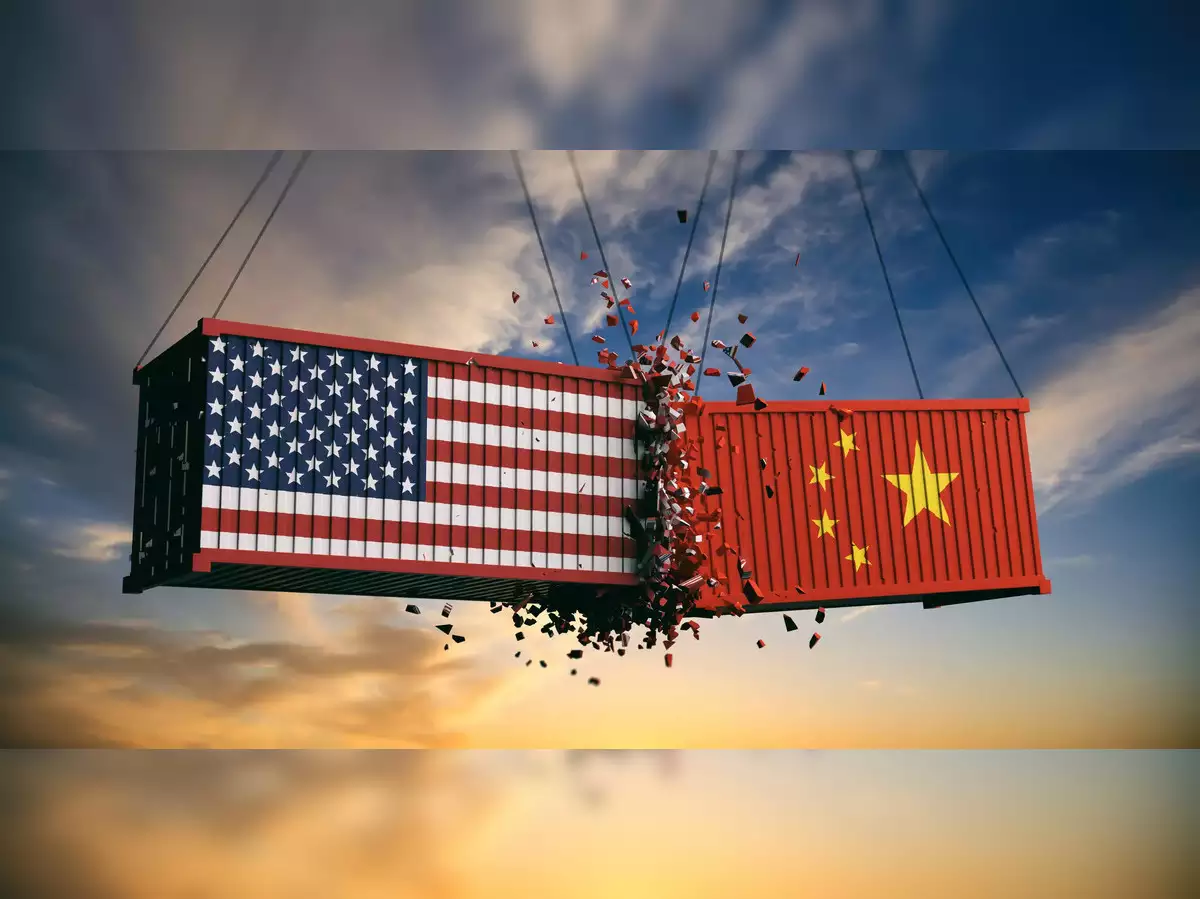
A new wave of economic pressure from China is rippling across global markets, prompting analysts to warn of a “China Shock 2.0” as countries struggle to compete with a surge of ultra‑low‑cost Chinese exports. From steel and solar panels to electric vehicles and chemicals, Beijing’s industrial overcapacity is reshaping trade flows and squeezing manufacturers worldwide.
Unlike the first China Shock of the early 2000s — when cheap Chinese goods transformed global supply chains — the second wave is unfolding in a far more fragile geopolitical climate. Slowing domestic demand, a property slump and weak consumer spending have pushed Chinese factories to look outward, flooding foreign markets with excess production.
Who is feeling the squeeze
Europe EU industries are among the hardest hit. Chemical producers, EV makers and solar manufacturers have filed a record number of trade complaints, warning that Chinese imports are arriving at prices they cannot match. Brussels has opened multiple anti‑dumping investigations, signalling a more assertive stance.
United States Washington has already imposed steep tariffs on Chinese EVs, batteries and solar components. Officials say the new export wave threatens American industrial policy goals, especially as the US tries to rebuild domestic manufacturing.
India New Delhi is facing pressure across sectors including tyres, chemicals, electronics and renewable‑energy components. Indian manufacturers say Chinese pricing is eroding margins and undermining local production despite tariff barriers.
Southeast Asia Countries like Vietnam, Thailand and Malaysia — once beneficiaries of supply‑chain diversification — are now grappling with Chinese competition in mid‑range manufacturing. Some firms report losing export orders to Chinese rivals offering steep discounts.
Latin America & Africa Local industries in Brazil, South Africa and Nigeria are raising alarms over cheap Chinese steel, machinery and consumer goods. Governments are weighing new safeguards to protect domestic producers.
China’s industrial machine is producing far more than its domestic market can absorb. With Beijing reluctant to stimulate household consumption, factories are turning to global markets to stay afloat. The result is a wave of exports that many countries see as destabilising.
Economists warn that if the trend continues, it could trigger a new era of trade friction, protectionist measures and industrial realignment — with China at the centre of the storm.