News Desk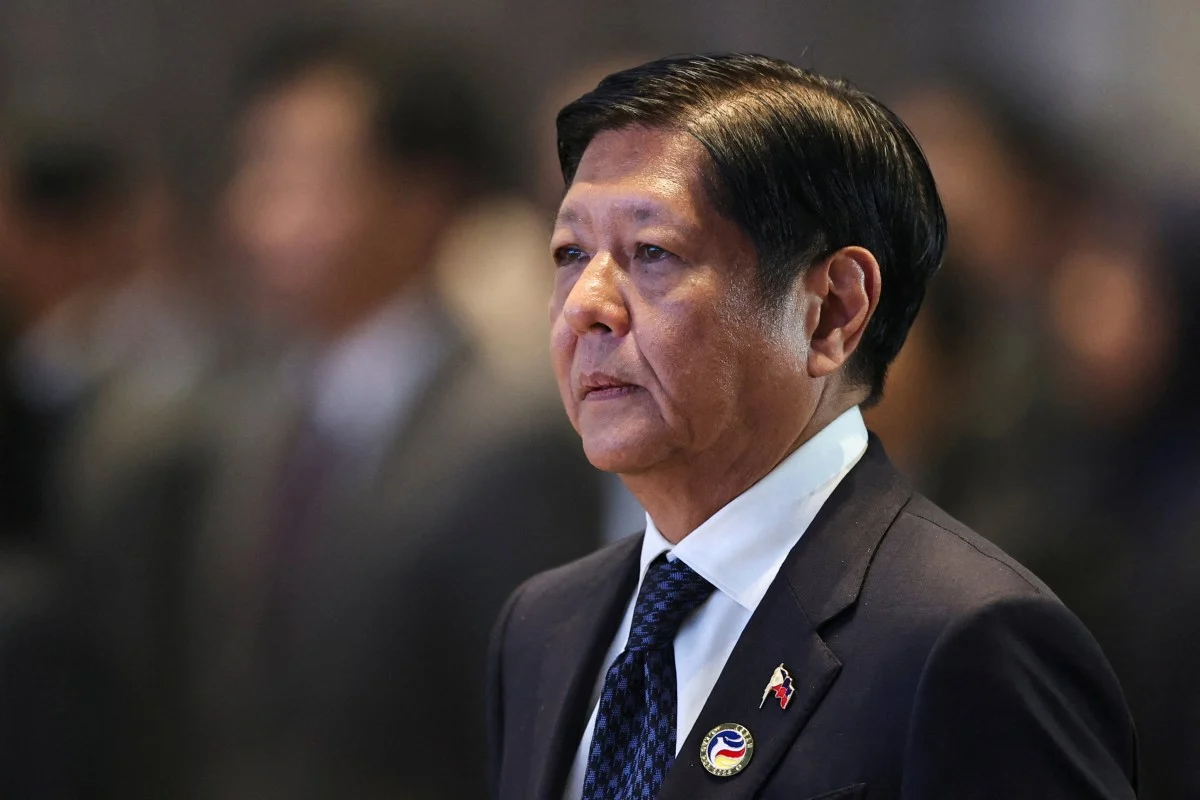
MANILA — President Ferdinand Marcos Jr. of the Philippines has ordered a sweeping investigation into allegations of Chinese state-sponsored interference in next month’s midterm elections, intensifying a diplomatic rift with Beijing amid ongoing disputes in the South China Sea. The move follows warnings from a senior security official and a senator’s claims that Chinese operatives are orchestrating disinformation campaigns to sway Filipino voters.
“This is truly alarming,” said Claire Castro, undersecretary for presidential communications, during a Friday briefing. “We will conduct a thorough investigation to uncover the truth behind this.”
The accusations, which China has vehemently denied, come at a sensitive time. The Philippines, a key U.S. ally, is preparing for elections on May 12 that will fill 317 congressional seats, thousands of local posts, and, most crucially, 12 of the 24 seats in the powerful Senate, a body that shapes national policy. The allegations of foreign meddling have heightened concerns about the integrity of the democratic process in a nation already grappling with Beijing’s assertive territorial claims.
On Thursday, a top National Security Council official testified before the Senate that intelligence reports had detected signs of Chinese “information operations” targeting the elections. The official, whose identity was not disclosed, did not provide specific evidence but warned of coordinated efforts to manipulate public opinion.
Senator Francis Tolentino amplified these concerns, presenting what he described as proof of Chinese interference: a check allegedly issued by the Chinese embassy in Manila to a local marketing firm tasked with running “troll farm” operations. Mr. Tolentino claimed these operations were designed not only to promote Beijing’s policies but also to covertly undermine the Philippine government and sow division among Filipinos.
“These troll farms were engaged to act as a covert disinformation and influence operation against the Philippine government and the Filipino people,” Mr. Tolentino said in a statement. At a press conference on Friday, he accused China of a “coordinated effort to undermine the democratic system and our way of life,” suggesting the operations aimed to boost “pro-China” senatorial candidates, though he declined to name them.
China’s Foreign Ministry and its embassy in Manila swiftly rejected the allegations. “China follows the principle of non-interference in other countries’ domestic affairs,” said Guo Jiakun, a ministry spokesperson, on Thursday. The embassy went further, calling the accusations “heinous” and accusing “opportunistic politicians” of playing the “China card” to advance their electoral prospects. “Such attempts are despicable and doomed to failure,” the embassy said in a statement.
The controversy unfolds against a backdrop of deteriorating relations between Manila and Beijing, driven by competing claims over islands and atolls in the South China Sea. Chinese coast guard vessels have repeatedly harassed Philippine ships in disputed waters, including a high-profile incident in March near the Second Thomas Shoal, where Chinese forces used water cannons against a Philippine supply boat. The Philippines has responded by strengthening its military ties with the United States, with plans for expanded joint exercises in the upcoming Balikatan drills, set to begin next week.
Analysts say the allegations of election interference reflect broader anxieties about China’s growing influence in the region. “Beijing has a history of using disinformation and economic leverage to shape political outcomes in smaller nations,” said Renato Cruz De Castro, a professor of international studies at De La Salle University in Manila. He pointed to reports from the U.S. State Department and independent researchers, such as the Atlantic Council’s Digital Forensic Research Lab, which have documented Chinese-backed influence campaigns in Southeast Asia.
A 2024 survey by the Social Weather Stations found that 68 percent of Filipinos view China as the greatest threat to national security, largely due to the South China Sea disputes.
As the investigation unfolds, the Marcos administration faces a delicate balancing act: addressing legitimate concerns about foreign interference while avoiding further escalation with a powerful neighbor. For now, the allegations have added a volatile new dimension to an already contentious election season, with implications for the Philippines’ democracy and its role in the geopolitical contest between China and the United States.