 News Desk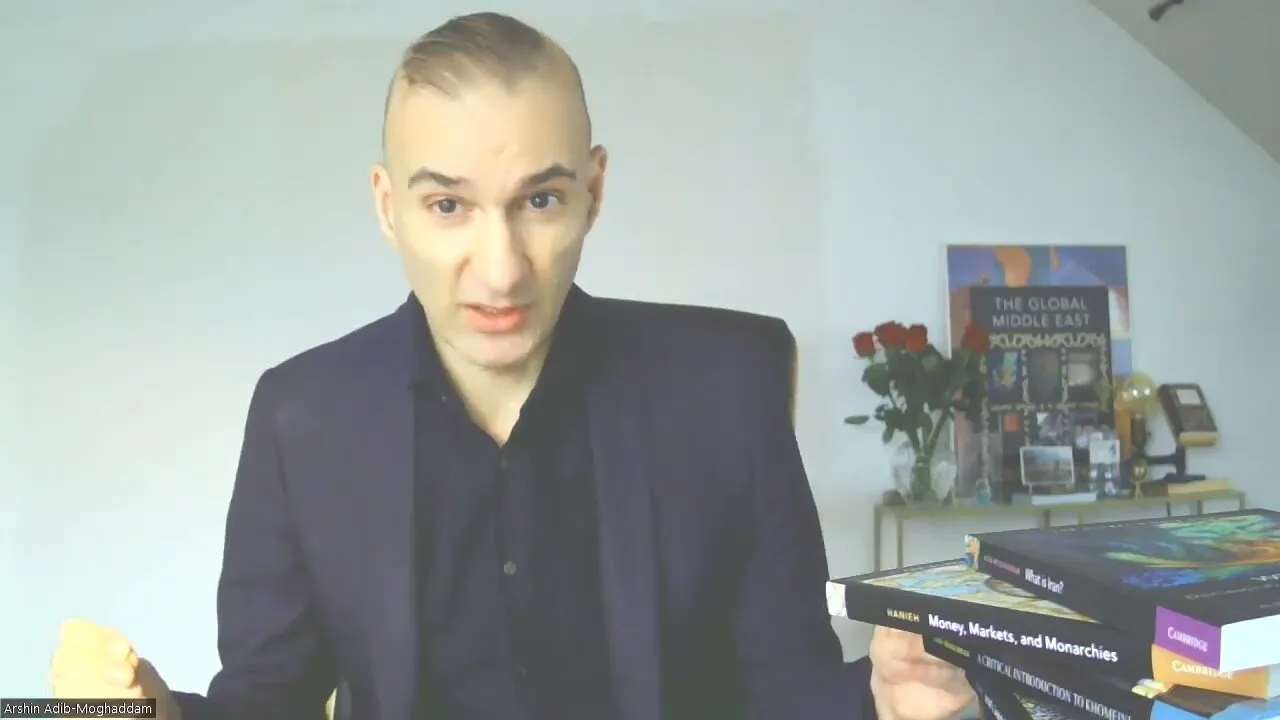
In the complex interplay of technology, politics, and power, few figures embody the rising tension between capitalism and governance as starkly as Elon Musk. With his vast fortune and global influence, Musk’s impact is undeniable. But as he extends his reach into political realms—especially through his management of X (formerly Twitter)—questions are mounting about the consequences of his unchecked power.
Arshin Adib-Moghaddam, a professor at SOAS University of London and a leading scholar of artificial intelligence (AI), offers a scathing critique of Musk in his recent interview with the Tehran Times. In it, Moghaddam characterizes Musk’s ideological framework as a dangerous fusion of hyper-capitalism, right-wing politics, and techno-imperialism—a force that not only threatens the future of social justice but amplifies the spread of extremism and misinformation on a global scale.
The professor’s analysis paints Musk not just as a billionaire entrepreneur, but as a pivotal figure in a new form of authoritarianism—one where power is concentrated in the hands of tech elites. Moghaddam’s critique of Musk’s management of X points to a disturbing reality: the platform, once heralded as a forum for free speech, now plays a significant role in amplifying harmful narratives. Musk’s decisions to allow the spread of extremist views under the banner of “free speech” and his support for far-right figures in Europe are emblematic of a broader political and ideological agenda that seeks to bolster existing power structures, while sidelining social equity and inclusion.
Musk’s brand of capitalism is entwined with political leanings that skew right-wing, with a marked disdain for the social sciences and cultural empathy. In his analysis of “Muskism,” Moghaddam argues that the billionaire’s approach to AI and his political dealings reflect a belief in technological determinism—the idea that technological innovation, rather than social progress or cultural understanding, should dictate the future. This outlook leaves little room for the nuances of human rights, social justice, or global collaboration, essential elements in today’s increasingly interconnected world.
Moreover, Musk’s political influence parallels that of Donald Trump, who also rose to power primarily through wealth rather than any tangible competence in governance. Both men have used their financial resources to circumvent democratic structures and push their own ideological agendas, contributing to the erosion of political norms and international cooperation.
Moghaddam’s point is clear: Musk’s political interventions, both on social media and through his personal endorsement of controversial figures, represent a dangerous evolution of capitalist power into the political sphere, one that is destabilizing and anti-democratic.
Musk’s embrace of controversial figures and the proliferation of harmful content on his platform raise serious ethical concerns. The intersection of AI and politics is particularly troubling. Musk, a key player in the development of AI, is shaping a future where profit and power take precedence over ethical considerations. As Moghaddam notes, this unchecked technological growth risks deepening inequalities, eroding democratic norms, and reinforcing harmful ideologies that threaten the fabric of societies worldwide.
As the world becomes more reliant on digital platforms for information, Musk’s role in shaping public discourse has become more significant—and more dangerous. His influence extends far beyond the confines of Silicon Valley, impacting global political landscapes in ways that are both profound and unsettling. For all his technological brilliance and business acumen, Musk’s ideological leanings and the empire he is building on the back of hyper-capitalism leave much to be desired in terms of social responsibility.
In the end, Musk’s unchecked power and the ideological framework that supports it present a challenge to democratic ideals. The question now is whether society will be able to rein in this growing force before it fundamentally alters the balance of power on a global scale. As we confront the complex realities of AI, digital governance, and political extremism, one thing is clear: Musk’s influence is a force to be reckoned with—one that may define the future of technology and geopolitics for decades to come.