News Desk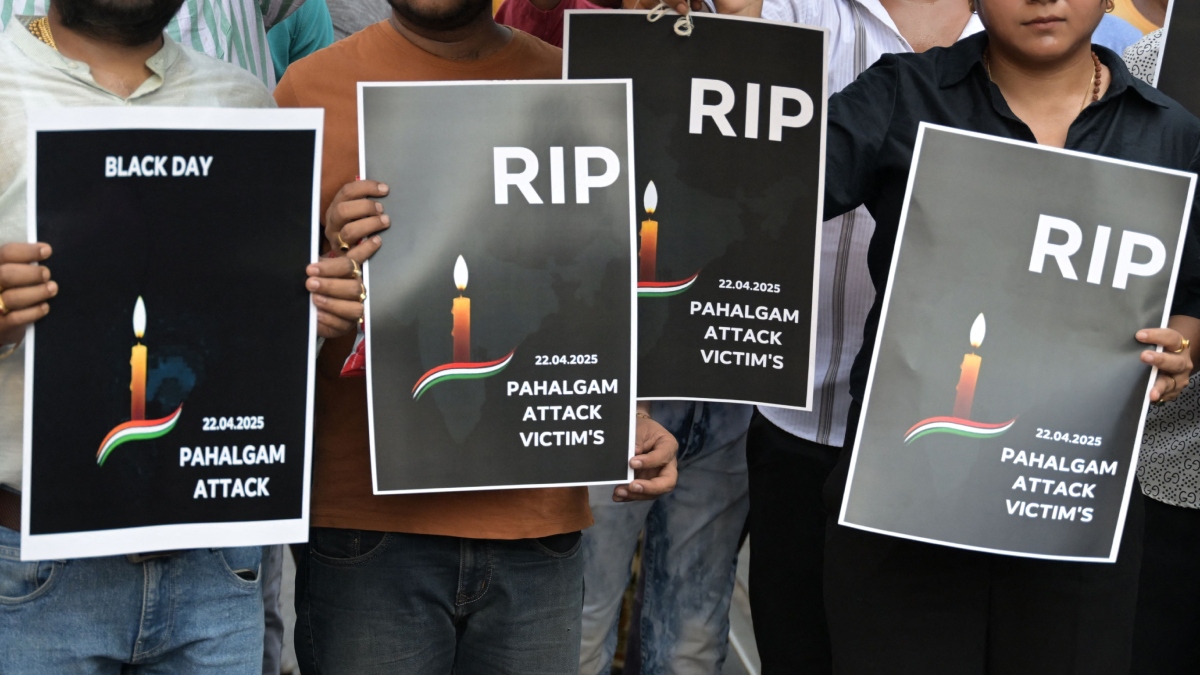
PAHALGAM, India — In the serene meadows of Pahalgam, a picturesque valley in Jammu and Kashmir, a brutal terrorist attack has shattered the region’s fragile peace, claiming 26 lives and reigniting India’s resolve to confront Pakistan’s persistent links to terrorism. The assault, one of the deadliest in the region in over two decades, has not only deepened India’s collective grief but also exposed Pakistan’s inability to shed its image as a state entangled with extremist violence.
Farooq Abdullah, the former chief minister of Jammu and Kashmir and a veteran advocate for dialogue with Pakistan, delivered a searing rebuke of the neighboring country. Once a proponent of diplomacy, Mr. Abdullah now speaks with the anguish of a leader who sees no path forward but resolute action. “Our neighbor has murdered humanity,” he declared, emphasizing that India’s unity—across Hindus, Muslims, Sikhs, and Christians—stands as a bulwark against Pakistan’s divisive tactics. His words echoed a broader sentiment: Pakistan’s reliance on terrorism has alienated even those who once sought reconciliation.
The attack in Pahalgam, a popular tourist destination, struck at the heart of India’s aspirations for peace and prosperity in Kashmir. Chief Minister Omar Abdullah, who oversees the region’s tourism sector, expressed profound remorse, acknowledging his failure to protect visitors. Yet, in a display of statesmanship, he refused to exploit the tragedy to demand greater political autonomy, instead focusing on the nation’s collective pain. “From Arunachal to Gujarat, from Jammu and Kashmir to Kerala, the entire country has been affected,” he said, underscoring the attack’s national resonance.
India’s response has been marked by unity and restraint. The Jammu and Kashmir Assembly unanimously condemned the attack, vowing to defeat efforts to disrupt communal harmony. Across the country, spontaneous protests erupted—not orchestrated by political parties but driven by raw, unfiltered grief. Mosques observed moments of silence, and citizens from all walks of life mourned as one.
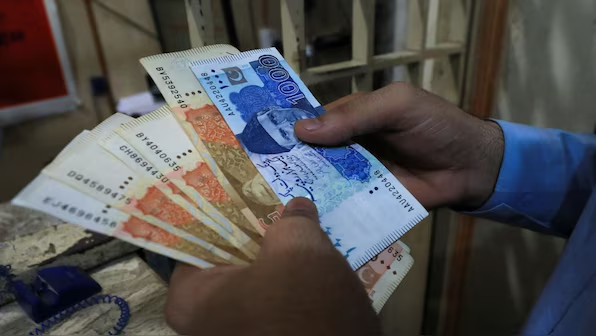
In contrast, Pakistan’s actions have painted it into a corner. Facing an economic crisis and growing global isolation, the country appears to cling to terrorism as a tool to assert relevance, a strategy that has backfired spectacularly. The Pahalgam attack has only strengthened India’s narrative of resilience and pluralism, while Pakistan’s association with such violence deepens its pariah status. As India prepares a “befitting reply,” in Mr. Abdullah’s words, the world watches a nation fortified by unity confront a neighbor weakened by its own destructive choices.