News Desk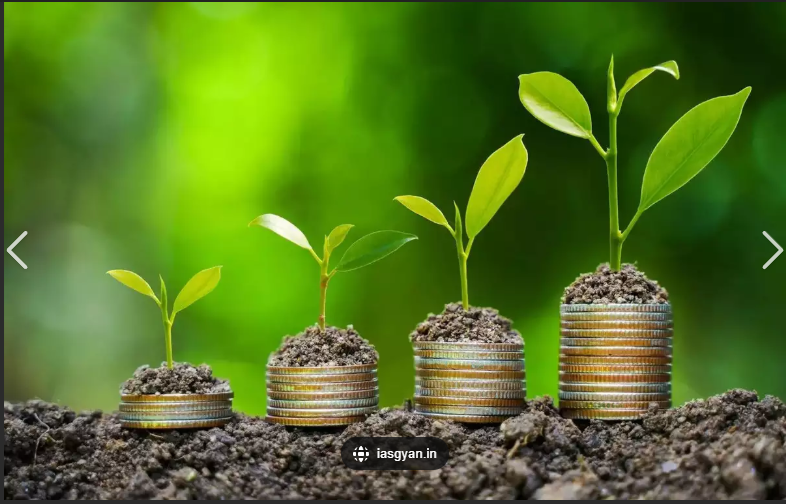
New Delhi, — India’s bioeconomy is undergoing a seismic transformation, with projections placing its value at a staggering $300 billion by 2030. This growth is fueled by a dynamic blend of biotechnology, bioenergy, climate-smart agriculture, and healthcare innovation, positioning India as a global leader in sustainable development and scientific entrepreneurship.
National Biofoundry Network Launched
Marking the first anniversary of the BioE3 Policy, the Union Minister of Science and Technology unveiled India’s inaugural National Biofoundry Network. This initiative aims to democratize access to advanced biomanufacturing, linking startups, academia, and industry through shared infrastructure and AI-powered design hubs.
From $10 Billion to $165.7 Billion in a Decade
India’s bioeconomy has expanded more than sixteenfold since 2014, now contributing over 4.25% to the national GDP. With a compound annual growth rate of 17.9%, the sector is home to more than 6,000 biotech startups and over 760 commercial biotech products. Ethanol blending has surged from 1.53% in 2014 to 15% in 2024, with a 20% target set for 2025.
Agriculture and Climate Resilience
Genome-edited crops and biofertilizers are reshaping Indian agriculture, reducing chemical dependency and enhancing climate resilience. Bt Cotton, for instance, has propelled India to become the world’s second-largest cotton producer. Meanwhile, algae-based carbon capture technologies are being piloted to absorb CO₂ and produce biofuels, animal feed, and bioplastics.
Health Innovation and Pandemic Preparedness
India continues to be a global vaccine powerhouse, supplying 60% of the world’s vaccines. The development of Covaxin and the world’s first DNA-based COVID-19 vaccine underscore the country’s biotech capabilities. New research is also exploring organ-on-chip devices and precision biotherapeutics.
Global Alliances and Space Biotech
India is co-leading the Global Biofuel Alliance alongside Brazil and the U.S., aiming to reduce oil imports and boost domestic biofuel production. In a futuristic leap, India has conducted three biotech experiments aboard the International Space Station in collaboration with ISRO and the Department of Biotechnology.
Challenges Ahead
Despite its momentum, India’s bioeconomy faces hurdles: regulatory delays, infrastructure gaps, bio-piracy risks, and uneven regional development. Northeastern and central states remain underrepresented in biotech growth, prompting calls for inclusive state-level bioeconomy roadmaps.
Youth and Innovation at the Forefront
The BioE3 Challenge is empowering young innovators with grants up to ₹25 lakh, fostering a vibrant ecosystem of microbial, molecular, and biomaterial research. Monthly innovation calls are drawing thousands of proposals in frontier areas like climate-smart agriculture and synthetic biology.
Looking Forward
India’s bioeconomy is not merely an economic strategy—it’s a blueprint for ecological stewardship, technological sovereignty, and inclusive growth. With robust policy support, international collaboration, and grassroots innovation, India is poised to redefine the global bioeconomic landscape by 2030.