News Desk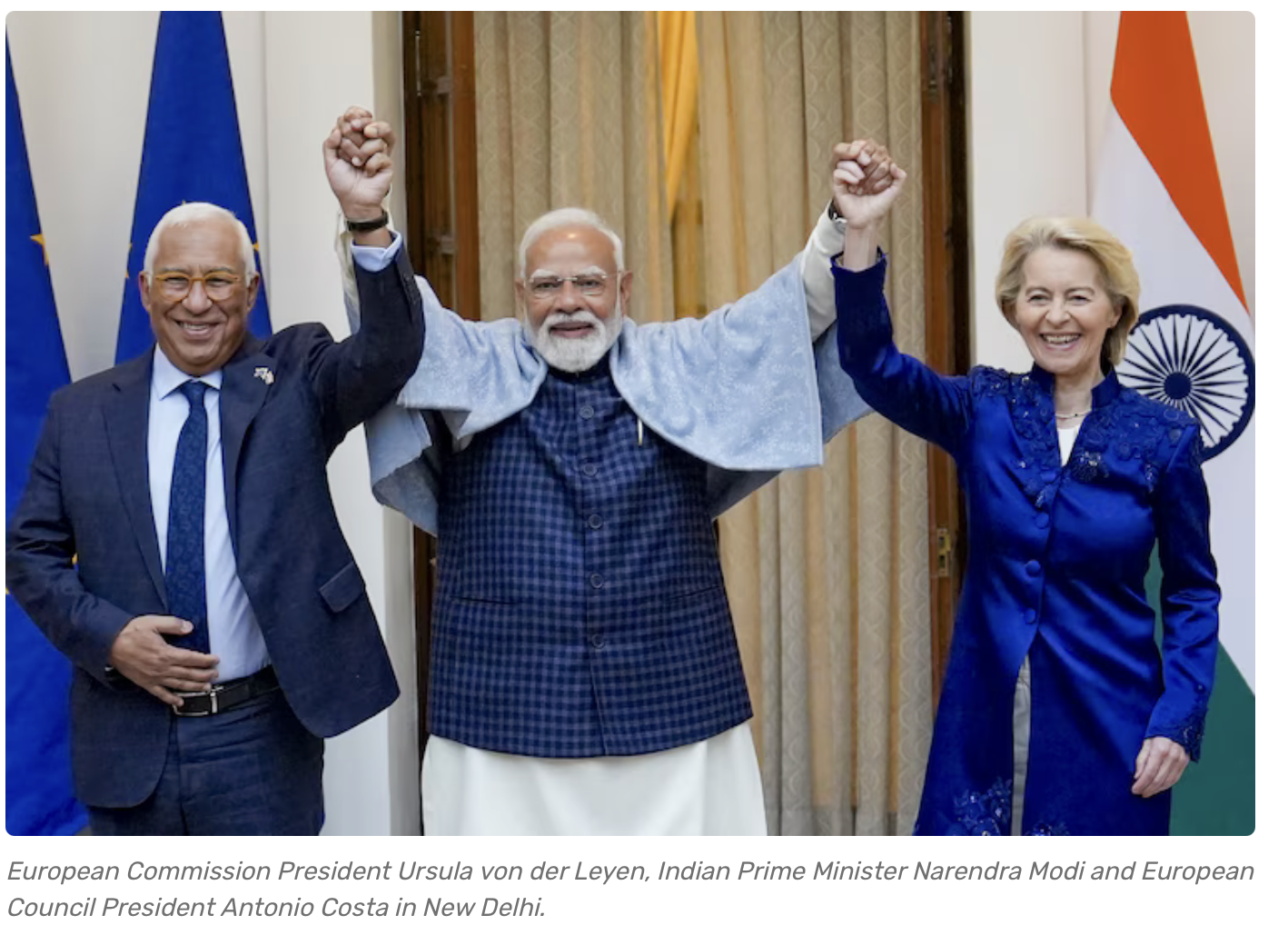
India’s long awaited free trade agreement with the European Union, signed today in New Delhi, is expected to do more than strengthen ties between the two partners. It marks a turning point that could reshape economic relationships across South Asia and influence how the region trades with the world.
The agreement, the most comprehensive India has ever concluded, covers goods, services, investment, technology cooperation and sustainable development. It arrives at a moment when global trade is being reshaped by geopolitical tensions, supply chain realignments and a growing push among major economies to diversify their economic partnerships. For India and the EU, the deal signals a shared intention to build a more predictable and resilient economic corridor.
For South Asia, the implications are immediate and far reaching. Many of India’s neighbors rely heavily on Indian supply chains for essential goods, industrial inputs and consumer products. As Indian exporters gain smoother access to Europe’s single market, they are expected to scale up production, improve standards and modernize logistics. That will make Indian intermediates more reliable and more competitively priced for countries such as Bangladesh, Sri Lanka, Nepal, Bhutan and the Maldives.
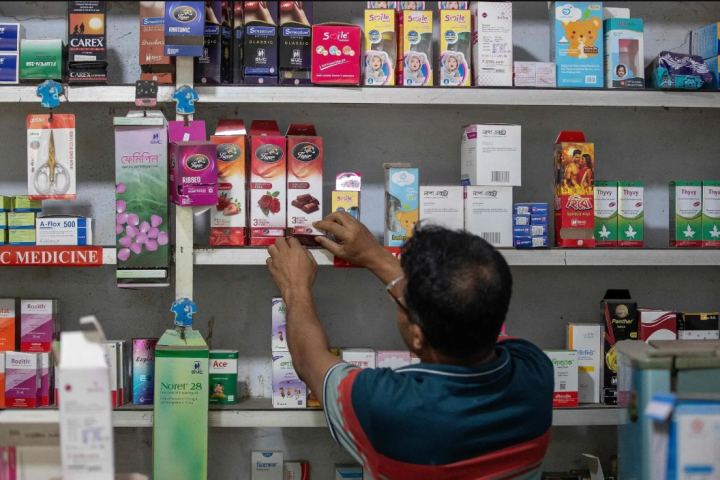
Bangladesh, which depends on Indian raw materials for its garment and manufacturing sectors, could find new opportunities by linking more closely with Indian supply chains that are being upgraded to meet European requirements. Sri Lanka, still working to stabilize its economy, may benefit from more predictable access to Indian machinery, chemicals and industrial goods. The Maldives, which relies on India for food, pharmaceuticals and construction materials, could see greater stability in essential imports as Indian production expands.
The effects will extend beyond South Asia. African and Middle Eastern countries that import Indian medicines, textiles, engineering goods and food products may also gain from a more efficient Indian export ecosystem. As Europe seeks to reduce its dependence on concentrated supply chains, India’s expanded role could draw more manufacturing and sourcing into regions connected to Indian trade routes.
The agreement also carries strategic weight. It aligns with a broader India EU vision that includes cooperation in security, technology and supply chain resilience. For Europe, the deal secures a long term partner in a rapidly growing economy. For India, it marks a shift toward more confident and outward looking trade engagement after years of caution.
There are challenges. Some South Asian exporters may face tougher competition if Indian goods gain an advantage in Europe. Smaller economies may struggle to keep pace with the regulatory and technological upgrades that India will undertake as part of the agreement. But the broader direction is clear. India’s trade pact with the EU is not only a bilateral milestone. It is a structural shift that could reshape how an entire region trades and grows.
For South Asia, the question now is how quickly governments and industries can adapt to a new economic landscape shaped by India’s expanding global footprint.